Boursa Kuwait Prepares to Introduce Exchange Traded Funds as Market Development Advances
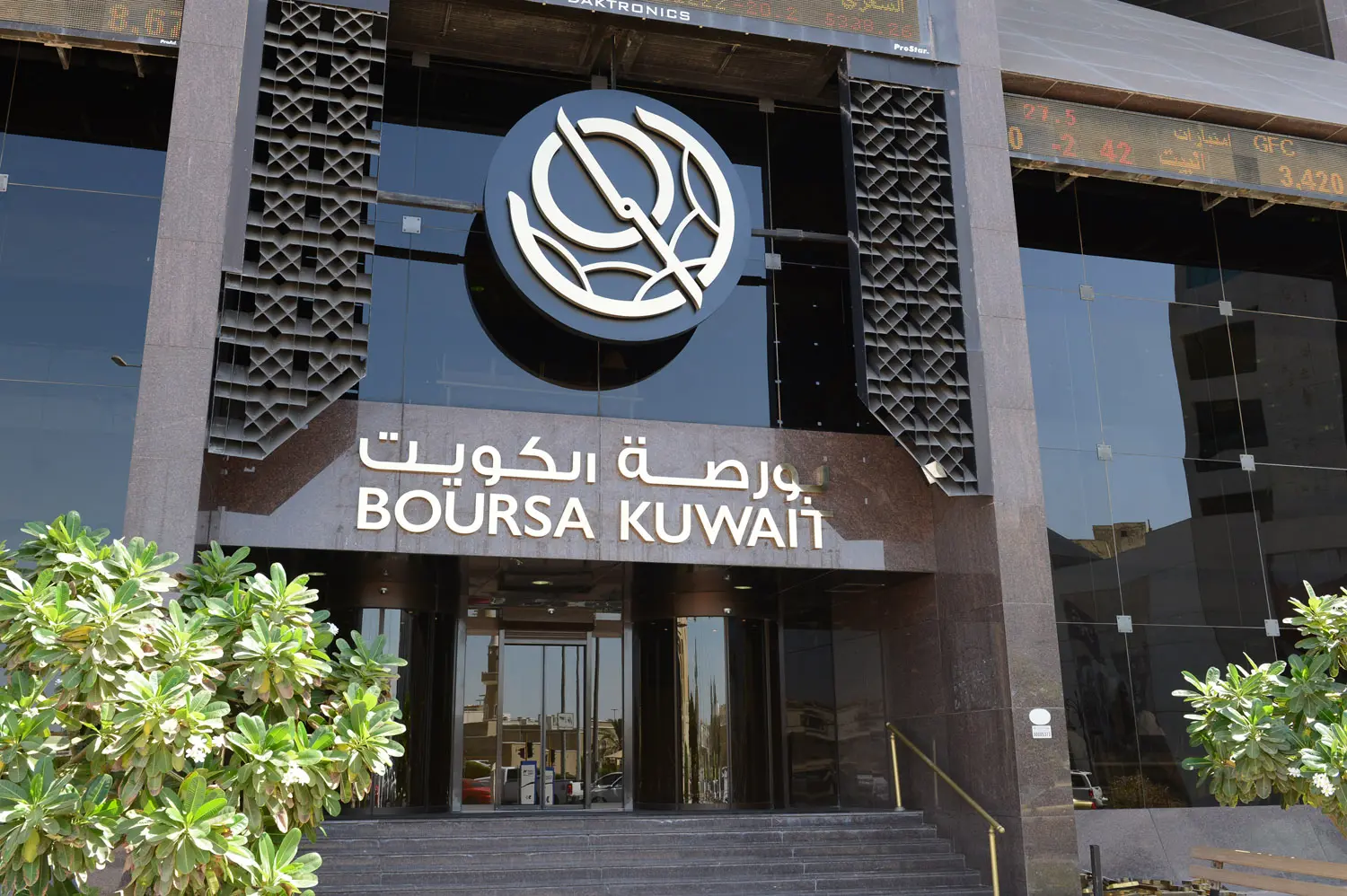
Boursa Kuwait is preparing to introduce exchange traded funds, marking another step in the development of Kuwait’s capital market and the expansion of listed investment products available to local and foreign investors. The move follows the recent launch of sukuk and bond trading, with ETFs the next product on the exchange’s agenda. It comes after the Capital Markets Authority approved the regulatory framework for exchange traded funds under Resolution No. 80 of 2026, which amends the executive bylaws of Law No. 7 of 2010 and related Boursa Kuwait rules.
Exchange traded funds are investment vehicles that hold a basket of securities or assets in a single listed instrument. They let investors gain diversified exposure through one tradable product, with the ability to buy and sell during market sessions. Each fund tracks an approved, weighted benchmark index, while market structure requirements are designed to support liquidity, transparency and a close alignment between the fund’s trading price and the value of its underlying assets.
How it will work
Boursa Kuwait has developed an operational framework covering the listing and daily trading of ETFs, in line with the regulatory framework overseen by the Capital Markets Authority. Both local and foreign funds will be eligible for listing, local and foreign investors will be able to trade them, and the instruments will be followed through a dedicated trading screen, according to the exchange.
Financial services firms and fund managers will be able to create and manage these funds, subject to regulatory and market requirements. These include a clear reference index, ongoing disclosure, periodic reporting of fund components and net asset value, and the appointment of a market maker to support trading efficiency.
Why it matters
Listing and trading ETFs deepens Kuwait’s capital market and broadens the menu of financial instruments, reducing the market’s traditional reliance on direct equity trading. The exchange says the step should help attract foreign capital and strengthen the role of the private sector through an institutional, transparency based approach to sustainable growth. The move fits a wider drive to modernise the market, following earlier steps to add fixed income products, and to position the bourse as a more diversified destination for regional and international investors.
For investors, ETFs offer a lower cost, transparent way to gain diversified exposure to baskets of securities, which can broaden participation and improve liquidity over time as the product range develops. For Kuwait’s financial sector, the development also opens a new listed product channel for local asset managers and investment companies to launch benchmark based strategies within a regulated environment.
Outlook
The next phase will depend on the timing of the first listings, the range and quality of local and foreign funds that come to market, and the ability of market makers and fund managers to support liquidity and investor confidence. Strong uptake would make ETFs an important addition to Kuwait’s capital market architecture, complementing fixed income trading and supporting the broader goal of a deeper, more diversified and institutionally transparent market.
Sources: Boursa Kuwait; Capital Markets Authority; CNBC Arabia.