Egypt’s Parliament Approves the 2026/2027 Budget, Targeting a Wider Primary Surplus and Lower Debt
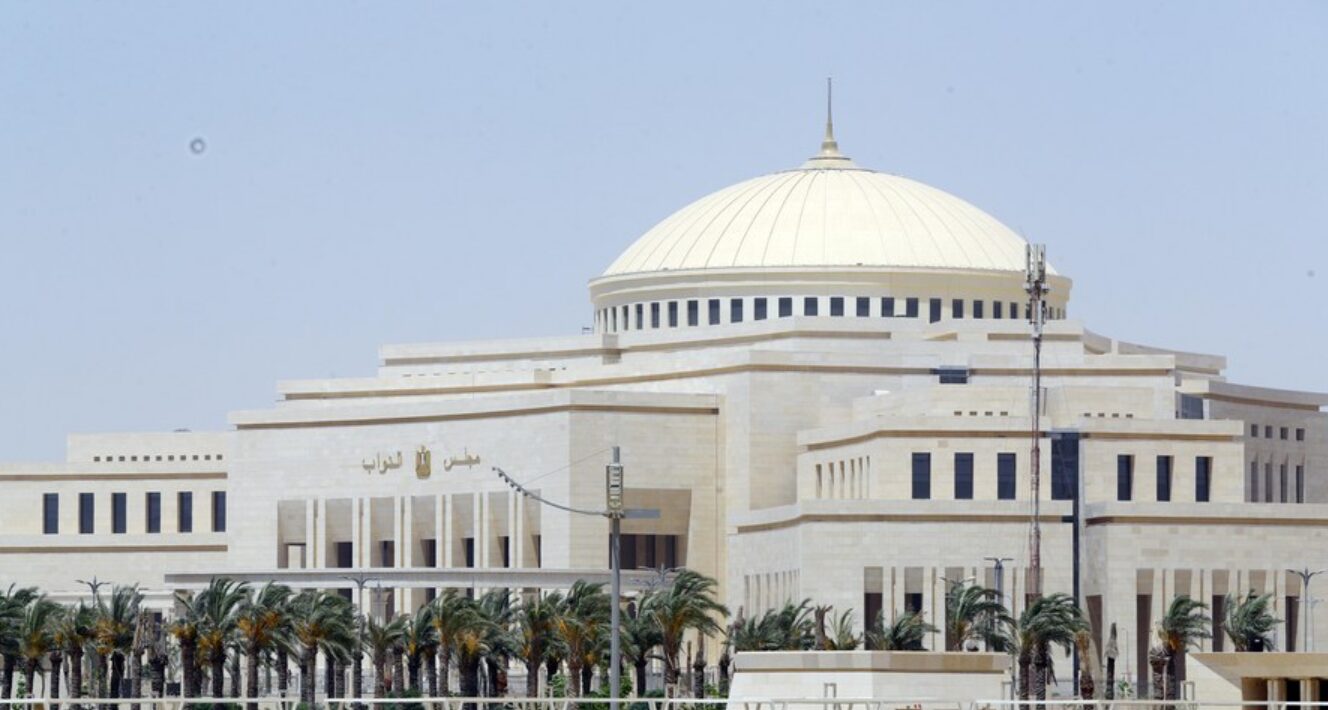
Egypt’s House of Representatives has approved the state budget for the 2026/2027 fiscal year, setting a framework focused on a larger primary surplus, lower debt ratios and continued support for priority public services.
Total budget uses are estimated at about EGP 8.176 trillion, including total expenditure of roughly EGP 5.178 trillion, up from about EGP 4.574 trillion in the previous fiscal year. Revenues are projected at around EGP 4.1 trillion, with revenue growth of about 32 percent and expenditure growth of about 13 percent year on year. The budget targets a primary surplus of about EGP 1.2 trillion, equivalent to 5 percent of gross domestic product, to provide additional resources for debt reduction and social protection.
The plan aims to cut the overall budget deficit to about 4.9 percent of GDP by June 2027 while lowering budget sector debt toward roughly 78 percent of GDP. The accompanying economic plan targets real growth of about 5.4 percent for the year, with nominal GDP projected at around EGP 24.5 trillion.
Why it matters
The budget underscores Egypt’s continued focus on fiscal discipline, with a larger primary surplus and a falling debt ratio at the centre of the strategy. A credible consolidation path is important for the country’s relationships with international lenders and for investor confidence, particularly as Cairo seeks to attract long term capital, including from the Gulf, into sectors ranging from real estate to industry and infrastructure.
The budget direction is broadly consistent with recent steps by the Central Bank of Egypt to strengthen controls around the use of bank credit, including restrictions on credit facilities used to finance capital increases or dividend distributions. Together, these measures point to a policy mix aimed at improving fiscal discipline, directing credit toward productive activity and supporting macroeconomic stability while protecting social spending. For the wider region, a more stable Egypt strengthens the case for the cross border investment that has flowed into the country in recent years.
Outlook
Delivery will be the key test. The targets depend on continued revenue mobilisation, disciplined spending and a supportive macro environment, including the path of inflation, interest rates and the exchange rate. Meeting the primary surplus and debt goals would reinforce Egypt’s consolidation story, while any slippage in revenue or growth would make the targets harder to reach. Attention now turns to execution through the fiscal year and to the next set of inflation and growth data.
Sources: Egyptian Ministry of Finance; Egypt House of Representatives; Central Bank of Egypt; Ahram Online.