
Gulf Oil Exports Climb Back as Tanker Traffic Through the Strait of Hormuz Picks Up
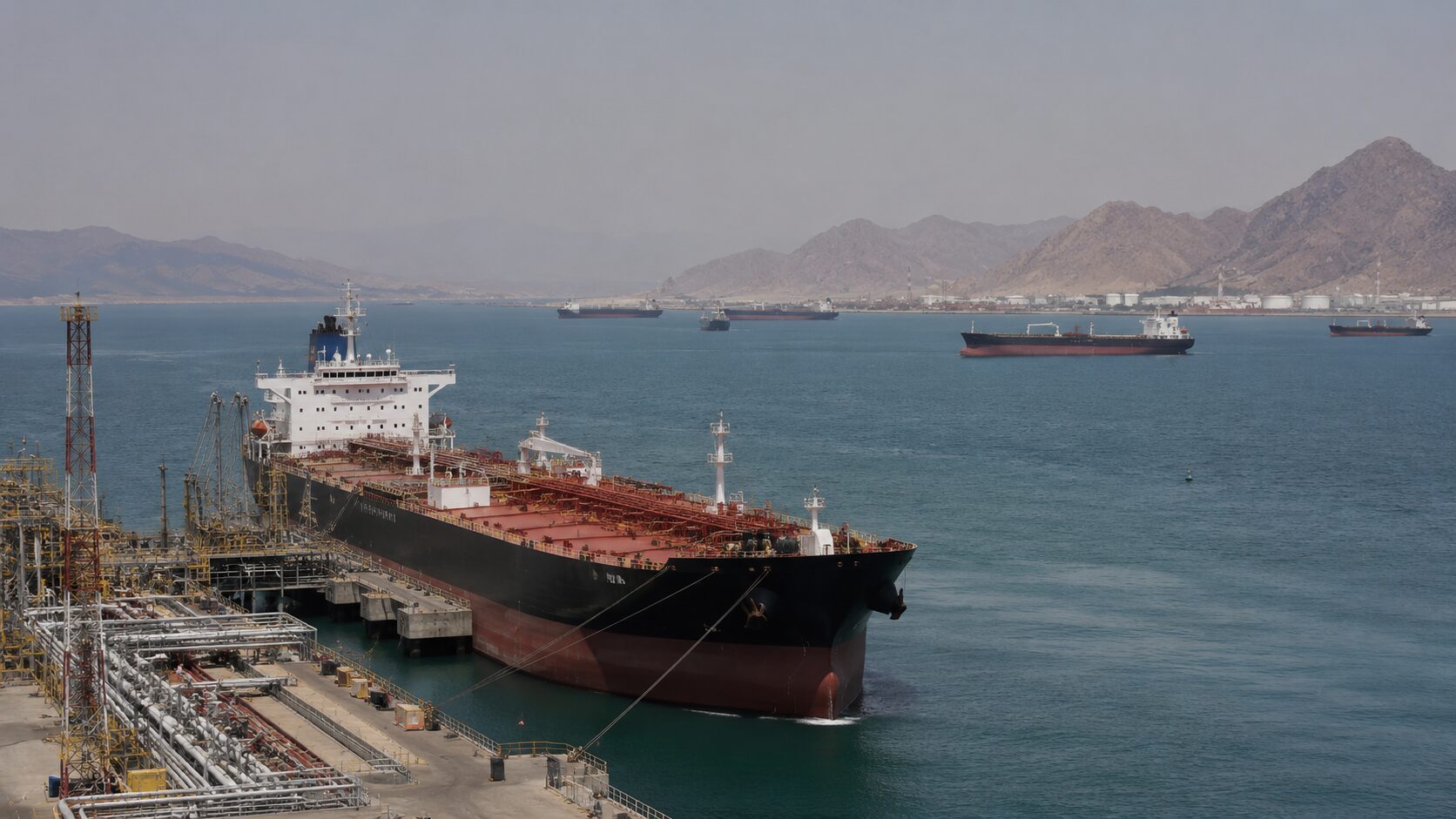
Crude oil exports from the Gulf are recovering as tanker traffic through the Strait of Hormuz returns toward normal levels following weeks of disruption tied to regional tensions, according to vessel tracking data reported by Bloomberg. The rebound in flows, alongside a fall in oil prices over the past week, points to an easing of the supply worries that had gripped the market, although the recovery remains incomplete and uneven across producers.
The improvement is visible in both shipping activity and export data. Tanker tracking figures reported by Bloomberg point to stronger late-June flows through the strait, the strongest transparent movement since late February, while the International Energy Agency noted that oil shipments through the waterway increased sharply in early June. Saudi Arabia and the UAE redirected some volumes to terminals outside the strait during the disruption, and a full return is unlikely to be immediate, the IEA said, because shipping lanes and supply chains take time to normalize.
The recovery is led by the UAE and Iraq
The pickup has been uneven across producers. The United Arab Emirates has rebounded the fastest, with exports of about 4.3 million barrels a day in early June, up from roughly 1.9 million barrels a day in March, helped by its pipeline link that bypasses the strait to the port of Fujairah and by drawing on large crude storage. The IEA estimates UAE exports have recovered to about 85 percent of the levels seen before the disruption.
In southern Iraq, the Basra Oil Company has been pumping around 1.5 to 1.6 million barrels a day as loadings resumed, with fields directed to rebuild gradually toward their prior level of more than 3 million barrels a day. Refined fuel exports from Saudi Arabia, the UAE and Kuwait combined have run at more than 600,000 barrels a day so far in June, adding to the recovery in product flows.
Saudi Arabia prepares to restart key terminals
Saudi Arabia, the region’s largest exporter, remains the key swing factor. Reports that tankers are moving into position near its Ras Tanura and Ju’aymah terminals point to a potential restart in crude loadings, after a period in which little to no loading activity was observed from early March. Official figures capture the depth of that earlier slowdown: data submitted to the Joint Organisations Data Initiative showed Saudi crude exports fell to about 3.99 million barrels a day in April, a record low, down about 1 million barrels a day from 4.97 million in March, while production eased to 6.32 million barrels a day. A sustained restart would materially strengthen the regional recovery, though current Saudi export volumes have not yet been quantified and should be treated cautiously until confirmed by official monthly data.
Prices ease as supply fears fade
The normalization in flows has coincided with a retreat in oil prices. Brent crude settled at about 73.74 dollars a barrel on 24 June, down 4.3 percent on the day and its lowest in weeks, after 77.90 dollars on 22 June and 80.57 dollars on 19 June, while US West Texas Intermediate dipped briefly below 70 dollars. The slide week on week is consistent with the rising export picture, as the market reprices a smaller supply risk. Analysts at Goldman Sachs have cautioned that throughput through the strait may settle around 70 percent of prior levels as a new baseline, a reminder that the recovery may not be complete.
Why it matters
Hydrocarbon exports remain central to public finances and growth across the Gulf, so the pace at which loadings and transits recover is a direct read on the region’s revenue outlook and on global oil supply. About a fifth of the world’s oil passes through the Strait of Hormuz, which makes the normalization of flows significant well beyond the region, for energy importers and for the inflation outlook globally. For the Gulf producers, the rebound in volumes, led by the UAE and supported by Iraq and the prospective Saudi restart, alongside softer prices, signals a market moving past the disruption, even as the final extent of the recovery remains to be seen.
Outlook
Attention now turns to the timing and scale of the Saudi terminal restart, to whether Gulf tanker throughput keeps climbing toward pre-disruption levels, and to official monthly data from JODI, OPEC and the IEA that will confirm how fully exports have recovered. Oil prices will remain the clearest market signal of whether supply concerns continue to fade.
Sources: Bloomberg; Joint Organisations Data Initiative; International Energy Agency; CNBC.