Commodities Wrap: Gold Settles Near US$4,048 an Ounce as Brent Firms to US$75 and Natural Gas Softens

Settlement prices in this wrap are the official 25 June exchange settlements, while the latest electronic levels were captured around 19:00 EDT on 25 June, about 02:00 Gulf time on 26 June, using CNBC front-month futures as the controlling source.
Gold held at elevated levels, with the COMEX August contract settling at 4,047.60 dollars an ounce on 25 June before trading slightly softer near 4,041 dollars in later electronic dealings, about 0.2 percent below settlement, as a steady dollar and firm US yields left the metal consolidating after this week’s US data. Silver settled at 58.36 dollars an ounce and later eased to around 57.84 dollars, down about 0.9 percent from settlement.
In energy, Brent crude firmed, with the ICE August contract settling at 75.26 dollars a barrel on 25 June, up about 2.1 percent from 73.74 dollars in the previous session, and holding close to that level in later CNBC electronic trading. US West Texas Intermediate settled at 71.92 dollars a barrel and later traded around 71.51 dollars, about 0.6 percent below settlement, leaving the latest Brent to WTI spread near 3.75 dollars a barrel. The firmer oil tone reflected signs of improvement in Gulf tanker traffic through the Strait of Hormuz, although flows remain sensitive to shipping conditions, insurance costs and security risk. Natural gas was softer, with the Henry Hub July contract settling at 3.34 dollars per million British thermal units and later trading around 3.31 dollars, about 1.0 percent lower.
Industrial metals and the dollar
Copper settled at 6.07 dollars a pound and later traded near 6.06 dollars, down about 0.3 percent from settlement, as the market weighed firm US activity against softer demand signals. The ICE US Dollar Index was little changed near 101.43, keeping the currency backdrop broadly neutral for dollar priced commodities.
Why it matters
Commodity prices sit at the center of the MENA region’s economic outlook and the global inflation picture. For Gulf energy exporters, Brent near 75 dollars supports the revenue outlook as production and exports normalize, although the path depends on export volumes, shipping conditions, insurance costs and supply policy. For energy importing economies across the region, oil and gas prices below the peaks seen earlier in the year help ease the external bill and reduce pressure on balances.
Gold near 4,050 dollars remains a barometer of investor caution and reserve diversification, and a core holding for regional central banks, institutional investors and family offices at the intersection of currency risk, inflation expectations and portfolio protection.
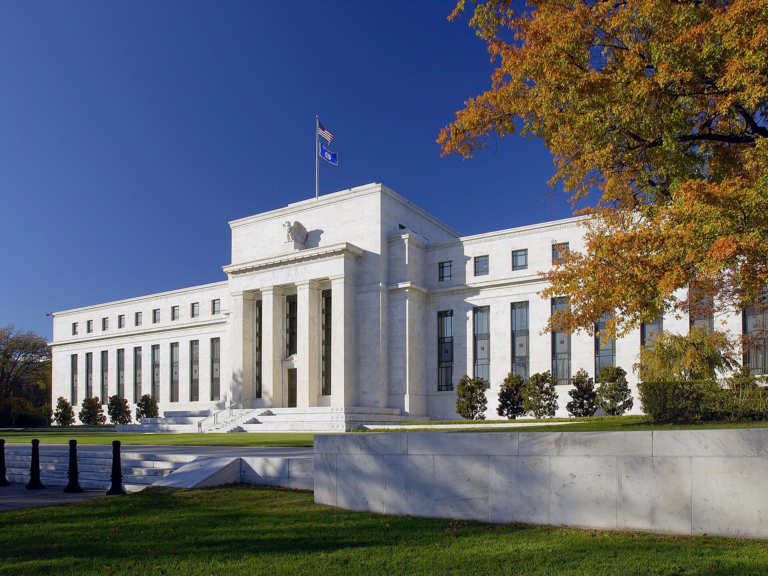
The US backdrop matters as well. May PCE inflation, the Federal Reserve’s preferred gauge, rose to 4.1 percent year on year, while first-quarter US real GDP growth was revised to 2.1 percent annualized. That mix keeps the spotlight on the Fed, making the dollar and US yields key swing factors for the whole commodities complex.
Outlook
Attention turns to whether Gulf energy flows continue to normalize and how that affects Brent, WTI and regional export economics. Markets will also watch whether gold consolidates near current levels or regains momentum, and whether the dollar and US yields remain stable after this week’s inflation and growth data. The next round of US and global releases will set the tone across metals, energy and broader risk assets.
Sources: CNBC; US Bureau of Economic Analysis.