Egypt’s Second Tax Package Cuts Investor Friction and Supports Market Depth
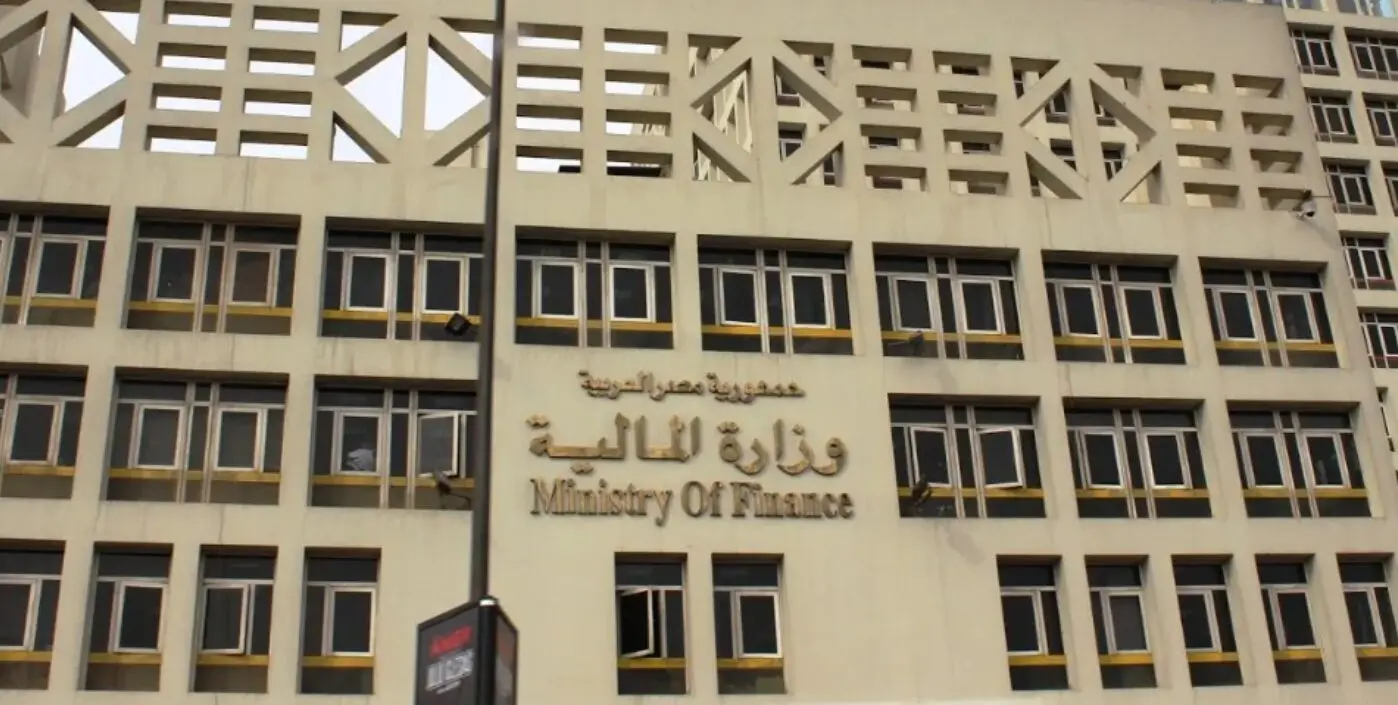
Egypt has approved a second package of tax measures aimed at lowering costs for businesses, encouraging companies to list on the stock exchange and speeding up refunds, Finance Minister Ahmed Kouchouk announced on 2 July. The package, approved by parliament and effective on official publication, builds on an earlier round of tax facilitation and lands alongside the country’s continuing programme with the International Monetary Fund.
The headline measures touch investment, capital markets and healthcare costs. The suspension of value-added tax on machinery, industrial-production equipment and medical devices has been extended from two years to four, doubling the window in which firms can import capital goods without the tax. On the markets side, the capital-gains tax on securities is replaced with a stamp duty designed to encourage trading, and the stamp duty on non-resident investors is cut to 0.5 per thousand from 1.25 per thousand, a reduction of about 60 percent, our calculation, aligning the rate paid by foreign investors with that paid by residents. Newly listed companies receive a three-year incentive to encourage flotations on the Egyptian Exchange.
The refund and healthcare measures carry the clearest arithmetic. Value-added tax refunds will be paid within three months for businesses under the simplified regime, down from six, and within four months for other businesses, so the waiting period is cut by half for the smallest firms and by a third for the rest, our calculation, freeing up working capital that had been tied up with the tax authority. On medical devices the value-added tax rate is lowered to 5 percent from 14 percent, a cut of nine percentage points that reduces the rate by nearly two thirds, our calculation, with dialysis and kidney-filter inputs and implantable and wearable devices exempted entirely, a measure that directly lowers healthcare costs.
Several further steps target logistics and corporate structuring. Goods in transit and their related services are exempted from value-added tax, a move that supports Egypt’s ambition to position itself as a regional logistics and re-export hub. The solidarity contribution is made a tax-deductible expense, relief is provided on the double taxation of dividends moving between companies, and holders of unlisted securities held for three years or more receive an incentive tied to the central bank’s lending rate added to their acquisition cost on disposal. On property, the transaction tax is held at 2.5 percent but the payment deadline is doubled to 60 days from 30, and businesses obtaining licences can use a temporary tax card for eight months.
Taken together, the package is less about cutting headline tax rates than about reducing friction, the time, cash and complexity that businesses face in dealing with the tax system. Faster refunds, a longer VAT holiday on capital goods, a lighter and simpler levy on securities trading, and lower costs on medical devices all point in the same direction: making Egypt cheaper and easier to invest in without giving up the revenue base that the fiscal consolidation depends on. The timing is notable, coming as Egypt and the IMF reached a staff-level agreement on the seventh review of the Extended Fund Facility and the second review under the Resilience and Sustainability Facility, with about 1.64 billion dollars of financing pending board approval.
The package is the second in a sequence, following an initial round of tax-facilitation measures the finance ministry rolled out to simplify filing and ease disputes, and it fits a broader strategy of widening the tax base while lowering the burden on compliant investors. The treatment of the securities levy is a case in point. Egypt has repeatedly grappled with how to tax capital gains on listed shares, deferring or reworking the measure several times over the past decade, and swapping it for a stamp duty is designed to give the market a simpler, more predictable cost that is easier to administer and less of a deterrent to trading. By pairing that with a three-year listing incentive and a lower non-resident stamp duty, the ministry is signalling that deepening the capital market and drawing in portfolio flows is a priority alongside the direct-investment agenda, since a more liquid exchange lowers the cost of capital for Egyptian companies and gives the state another channel, through privatisation listings, to raise financing.
Why it matters: Tax friction is one of the most cited obstacles for investors in emerging markets, and a package built around faster refunds, longer exemptions on capital goods and a simpler securities levy is aimed squarely at the practical barriers that slow investment decisions. By lowering the stamp duty on non-resident investors to match residents and offering a listing incentive, Egypt is also trying to deepen its capital market and attract portfolio inflows at a time when it needs external financing. For Egypt, easing the cost of doing business supports the private-sector-led growth model that underpins the IMF programme, and for Gulf investors, who are among the largest sources of foreign direct investment into Egypt, a clearer and cheaper tax environment lowers the cost of deploying capital into the region’s most populous market.
Outlook: The impact will depend on implementation, particularly whether the promised faster refunds are delivered in practice, since refund delays have been a long-standing complaint. If the measures translate into quicker cash cycles and more listings, they would reinforce the reform narrative that Egypt is presenting to investors and to the IMF. The next markers are the response of the Egyptian Exchange to the listing incentive and the pace of investment approvals, alongside continued progress on the broader programme.
Sources: Egyptian Ministry of Finance; State Information Service.