Gulf Energy Ministers Move to Strengthen the Region’s Energy Supply Chains
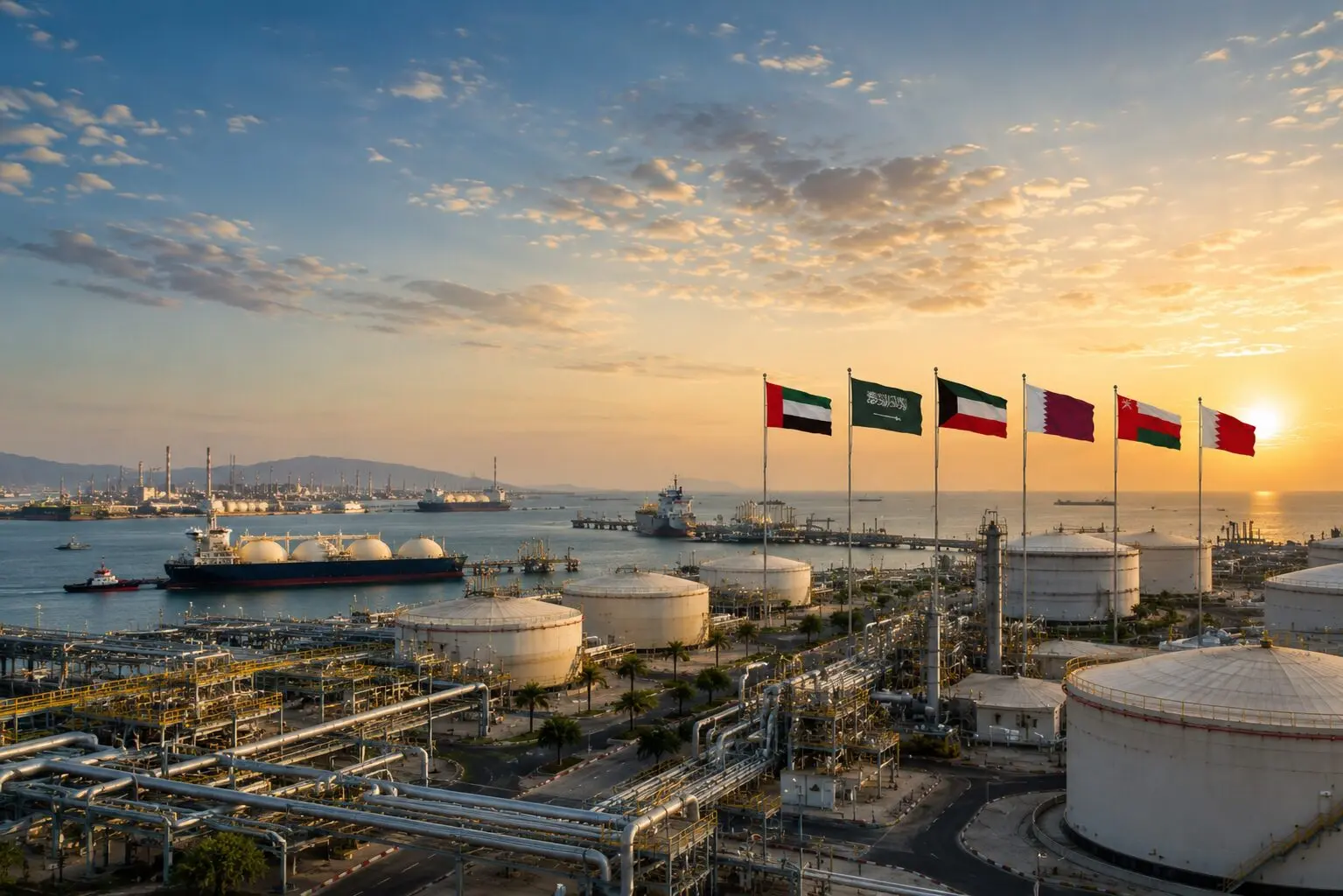
Energy ministers from the six Gulf Cooperation Council states met on 2 July to draw up recommendations for strengthening the region’s energy supply chains, following directives issued by GCC leaders at their consultative meeting in Jeddah in April. The extraordinary session of the GCC Petroleum Cooperation Committee, held by videoconference, was chaired by Bahrain’s Minister of Oil and Environment, Mohammed bin Mubarak Bin Dainah, with the council’s Secretary-General, Jasem Albudaiwi, taking part.
The committee was tasked with following up on the leaders’ directives and developing proposals to enhance energy security, ensure the sustainability of supplies and deepen integration among the member states. Albudaiwi framed the meeting around building more resilient energy supply chains across the bloc, a theme that has gained prominence as the region works to insulate its energy trade from external disruption. The ministers, who included Qatar’s Minister of State for Energy Affairs, Saad Al Kaabi, agreed to develop recommendations rather than announce binding measures, so the session was a step in a policy process rather than a decision point.
The move sits within a long-running Gulf effort to integrate the six economies more closely, in energy as in trade and infrastructure. The bloc already operates a shared electricity grid through the Gulf Cooperation Council Interconnection Authority, which has linked the national power systems for more than a decade and allows members to trade electricity and back each other up during peak demand or outages. Extending that logic of integration to the wider energy supply chain, from crude and products to gas and the logistics that move them, is the direction the committee’s work points toward.
The economic weight behind the discussion is considerable. The GCC states together hold a large share of the world’s proven oil reserves and account for a significant part of global oil and gas exports, so the resilience of their supply chains is not only a regional concern but a matter of consequence for world energy markets. Coordinating on shared infrastructure, stockpiling, shipping and cross-border supply arrangements can reduce the cost and risk that each state would otherwise bear alone, and it strengthens the bloc’s collective hand in energy trade.
The committee’s work builds on decades of Gulf integration that have moved faster in energy than in most other areas. Beyond the shared power grid, the members have discussed and in places built cross-border gas links and coordinated on shipping and storage, and the bloc’s institutions have long treated energy as the natural first candidate for deeper cooperation given the members’ common reliance on it. An extraordinary session, called outside the regular calendar to act on a directive from the leaders themselves, signals that supply-chain resilience has risen up the agenda rather than being left to routine coordination.
The strategic backdrop is a region that supplies a large share of the world’s oil and gas and sits on a correspondingly large share of proven reserves, which makes the security of its export channels a global as well as a regional concern. Recent episodes of disruption to shipping through the region’s waterways have underlined how exposed even the most established supply routes can be, and coordinating on alternatives, whether through shared infrastructure, joint stockpiling or contingency arrangements, spreads that risk across the bloc rather than leaving each state to manage it alone. For members whose budgets still rely on energy exports, that collective resilience has a direct fiscal value.
The initiative also reflects a balance the Gulf is trying to strike. Even as the members pour investment into non-oil sectors under their respective diversification visions, from tourism and finance to logistics and manufacturing, the hydrocarbon business remains the backbone of their public finances and the source of the capital funding that diversification. Making the energy supply chain more resilient is therefore not a step away from diversification but a way of protecting the revenue engine that pays for it, which is why coordination on supply security sits comfortably alongside the longer-term push to broaden the economic base.
For a region whose public finances still depend heavily on hydrocarbon exports, securing the channels through which that energy reaches buyers is a strategic priority alongside the parallel drive to diversify away from oil. The committee’s work is a reminder that, even as Gulf states invest in non-oil sectors, the reliability of their core energy business remains central to their economic security.
Why it matters: Energy supply-chain resilience has become a strategic priority for producing regions, and Gulf coordination on it matters because the bloc is one of the world’s most important sources of oil and gas. Deeper integration, building on the shared power grid, lowers the cost and risk of moving energy within the region and to export markets, and it gives the six states a more unified position in global energy trade. For the members, including Kuwait, stronger collective supply chains support the export revenues that still underpin their budgets, and for the wider market, a more resilient Gulf energy system is a stabilising factor at a time when supply security is high on the agenda.
Outlook: The next step is for the committee’s recommendations to be developed and taken back to the relevant GCC bodies, with implementation depending on the members’ willingness to coordinate on shared infrastructure and supply arrangements. Concrete measures on interconnection, logistics or joint stockpiling would show how far the political direction from the April summit translates into operational integration, and the pace of follow-through will be the signal to watch.
Sources: Qatar News Agency; General Secretariat of the Gulf Cooperation Council.