UK Firms’ Inflation Expectations Hold at 3.7 Percent in the Bank of England’s June Survey
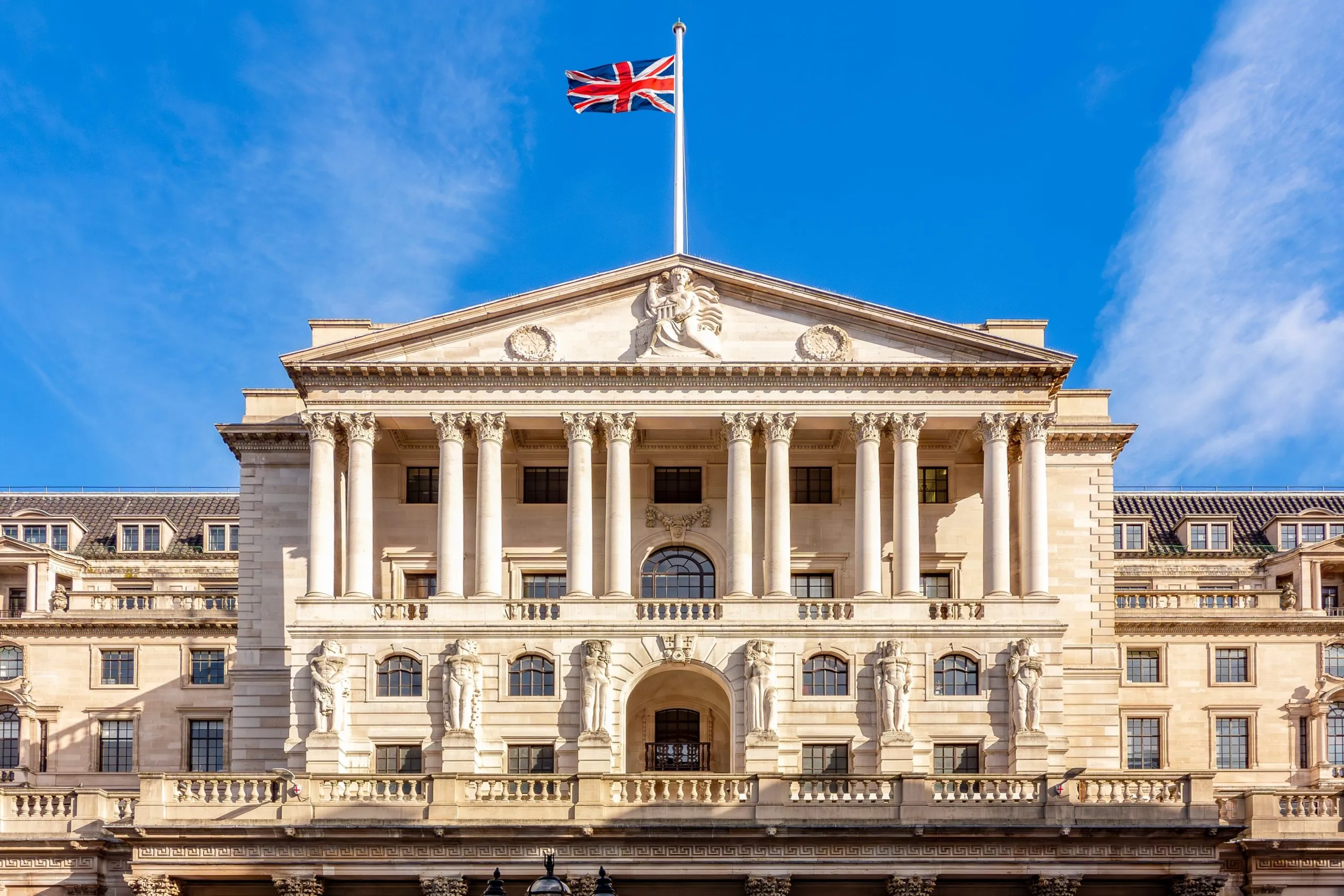
British firms’ expectations for inflation a year ahead held steady at 3.7 percent in June, according to the Bank of England’s Decision Maker Panel survey, leaving businesses anticipating price growth well above the central bank’s 2 percent target even as some measures softened at the margin. The survey, conducted between 5 and 19 June and covering more than 2,000 firms, was published on 3 July.
The headline figure, the three-month average of firms’ expectations for consumer price inflation in a year’s time, was unchanged at 3.7 percent, which is 1.7 percentage points above the Bank’s target, our calculation. Beneath that steady average, the single-month reading eased more noticeably, falling to 3.3 percent from 3.7 percent, a sign that the most recent responses point to cooler expectations even though the smoother three-month measure has not yet moved. That gap between the single-month and averaged figures is the detail worth watching, since it can be an early indication of a turn before it shows up in the headline.
On pay, firms reported realised wage growth of 4.1 percent over the three months to June, down 0.1 percentage point, a gradual easing from stronger rates earlier in the cycle. With wage growth at 4.1 percent and year-ahead inflation expectations at 3.7 percent, businesses still see pay rising a little faster than the prices they expect, our comparison, which is consistent with real wages continuing to recover but also with the kind of cost pressure that keeps services inflation sticky.
The survey’s own-price series pointed the same way. Firms reported realised annual growth in their own selling prices of 3.8 percent in the three months to June, unchanged on the month, and expected their own prices to rise 4.1 percent over the year ahead, a touch higher than the previous reading. Further out, three-year-ahead expectations for consumer price inflation edged up to 2.9 percent. That combination, medium-term expectations sitting closer to target but firms’ own-price expectations still above 4 percent in the near term, is the mix that keeps policymakers cautious: expectations three years out look broadly anchored, but the pricing pressure firms report for the coming year has not yet faded.
The survey matters because the Bank of England watches the Decision Maker Panel closely as a real-time gauge of how the firms that actually set prices and wages are thinking. Expectations that remain anchored above target, even as they ease at the edges, complicate the case for cutting interest rates quickly, because a central bank that eases while expectations are still elevated risks allowing above-target inflation to become entrenched. The data therefore feed directly into the debate over how fast the Bank can lower borrowing costs from their current level.
The reading sits within a longer disinflation that has been easier at the start than at the finish. UK consumer price inflation peaked above 11 percent in late 2022 and has since fallen back a long way, but the last stretch toward the 2 percent target has proved the hardest, held up by services prices and pay, which move more slowly than goods prices and are more closely tied to expectations. Firms that still expect inflation near 3.7 percent a year out, and are still raising pay above 4 percent, are the mechanism through which that stickiness persists, which is why the Bank watches the panel so closely.
The policy context is a Bank that has been cautious about declaring victory. With the Bank Rate at 3.75 percent, well above the levels of the pre-inflation era, the Monetary Policy Committee has to weigh an economy that is slowing against expectations and wages that have not yet fully normalised. The Decision Maker Panel is valuable precisely because it captures the views of the firms that set prices and wages in real time, ahead of the official inflation and earnings data, so a steady 3.7 percent expectation with a softer single-month reading gives the Bank a mixed signal: reassurance that expectations are not drifting higher, but not yet the clear evidence of cooling it would want before moving decisively.
Why it matters: Inflation expectations are one of the most important variables in monetary policy, because if firms and households expect higher prices they tend to set wages and prices accordingly, making the expectation self-fulfilling. Expectations holding at 3.7 percent, nearly two points above target, signal that the Bank of England’s task is not yet complete and argue for caution on rate cuts, which shapes the path of sterling and UK borrowing costs. For Gulf investors, the United Kingdom is a major destination for sovereign-fund and private capital, particularly in real estate and equities, so the Bank’s rate path and the currency it drives are directly relevant to the value and financing of those holdings.
Outlook: Attention turns to whether the softer single-month expectation reading is the start of a durable easing or a one-month move, and to the interplay between wage growth and inflation expectations in the coming surveys. Continued easing in both would strengthen the case for the Bank to lower rates, while sticky expectations and pay would argue for patience. The next Decision Maker Panel survey is due on 24 July.
Sources: Bank of England.