Saudi PIF and I Squared Sign an MoU Targeting Up to 2 Billion Dollars for Infrastructure
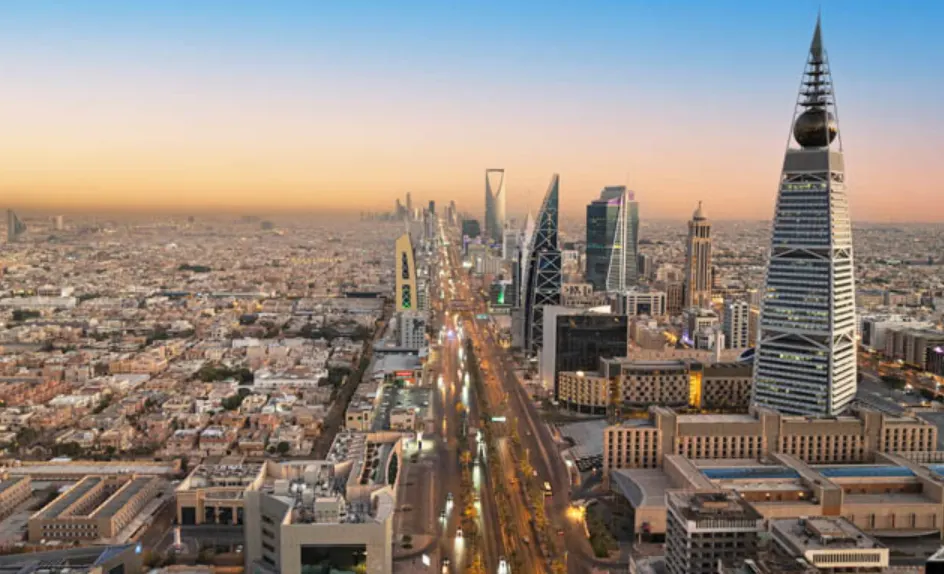
Saudi Arabia’s Public Investment Fund has signed an agreement with the global manager I Squared Capital to channel up to 2 billion dollars into the kingdom’s infrastructure, the latest move to pull foreign capital into projects tied to its Vision 2030 overhaul. The memorandum, signed on Monday, would see up to 1 billion dollars each go toward digital infrastructure and district cooling, two areas the fund calls critical enablers of its real-estate portfolio.
The agreement is non-binding, and any resulting deals remain subject to further study and regulatory approval. It builds on a relationship that began with an earlier infrastructure-fund accord in 2025, but is a distinct commitment aimed at deploying capital directly into PIF’s portfolio and portfolio companies. I Squared, founded in 2012 and managing about 60 billion dollars, invests in power, transport, digital and environmental infrastructure across more than seventy countries.
| Indicator | Figure |
|---|---|
| Total agreement size | up to 2 billion dollars |
| Digital infrastructure | up to 1 billion dollars |
| District cooling | up to 1 billion dollars |
| Structure | non-binding memorandum |
| I Squared assets under management | about 60 billion dollars |
| PIF assets under management, end 2024 | 3.424 trillion riyals, about 913 billion dollars |
For PIF, the deal fits a 2026 to 2030 strategy that leans more heavily on third-party and foreign capital to share the cost of Saudi Arabia’s diversification. The fund, one of the world’s largest sovereign investors, held about 913 billion dollars in assets at the end of 2024 and has increasingly sought co-investors rather than funding megaprojects alone. District cooling and data-centre-related digital infrastructure are among the fastest-growing needs as the kingdom builds new cities and expands its digital economy, our reading.
Why it matters: For Saudi Arabia, drawing a manager of I Squared’s scale into its infrastructure pipeline validates a model of pairing sovereign capital with global specialists, and spreads the financing burden as oil revenue swings. For the Gulf, it is another sign that international investors remain willing to commit to the region’s build-out. And it points to where the money is heading next, the unglamorous but essential plumbing of power, cooling and data that new economic zones depend on.
Outlook: The memorandum is a framework, so the marker is whether it converts into signed transactions and how fast capital is deployed. Watch for named projects in digital infrastructure and district cooling, and for similar third-party commitments as PIF advances its 2026 to 2030 plan.
Sources: Public Investment Fund; MEED.