
Fed Beige Book Shows Growth in Eleven of Twelve Districts and Slower Price Growth Everywhere
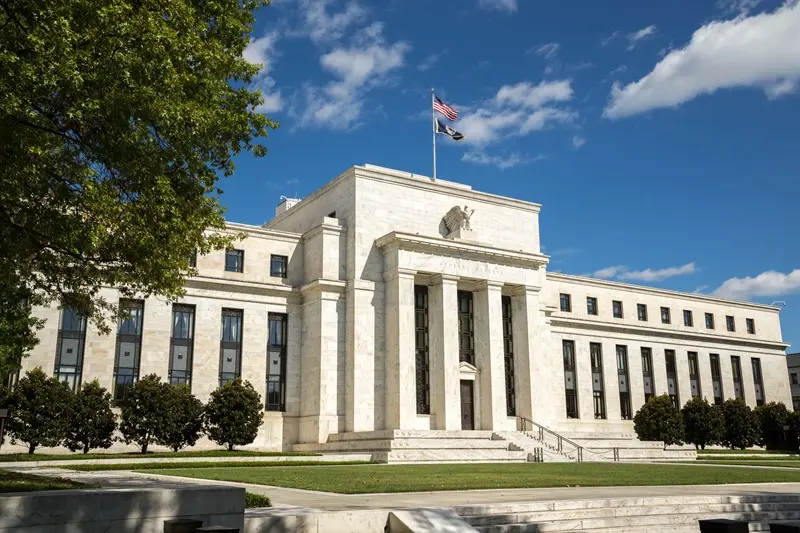
Economic activity increased at a slight to moderate pace in eleven of twelve Federal Reserve Districts in late May and June, while one District reported no change, according to the Federal Reserve’s July Beige Book, released on 15 July and based on information collected on or before 6 July. The read marks a broadening of growth from the previous report, when activity expanded in ten Districts, was flat in one and declined in one.
Consumer spending edged up, though higher prices, particularly for fuel, dampened sales in other categories, with several Districts noting a shift toward more affordable options. Tourism rose, with some Districts helped by World Cup visitors. Auto dealers reported little change in sales but growing spending on repairs as consumers held onto vehicles longer. Agricultural conditions deteriorated on lower commodity prices, higher input costs and tighter credit, while oil and gas drilling increased.
The labour market read improved. Employment rose on balance, with five Districts showing modest, moderate or solid gains and seven reporting little to no change; in the previous report only one District had recorded gains. Skilled workers, notably technicians and tradespeople, remained hard to find. Wage growth was modest to moderate in most Districts, and a few Districts noted firms making greater use of AI in hiring and screening or to lift productivity.
On prices, the report pointed to cooling. Prices increased moderately overall, with nine Districts reporting moderate growth, two robust and one slight, and, importantly, price growth was the same or slower in all twelve Districts compared with the prior period. Non-labour input costs rose on higher energy, transportation and raw material prices, which some contacts tied to the Middle East conflict and others to tariffs, and a couple of Districts said selling prices grew less than input costs, crimping margins.
Two shifts stand out. The labour picture broadened sharply, with five Districts reporting employment gains against just one in the prior Beige Book, our reading. And with price growth described as the same or slower in every District, the survey aligns with June’s softer consumer and producer price data and, as the last such report before the pre meeting blackout, supports holding rates at the coming meeting, our reading.
Why it matters: The Beige Book is the Federal Reserve’s ground level read in the two weeks before a policy meeting, and this is the last such survey before the pre meeting blackout. A picture of steady, broadening growth alongside cooling price pressure argues for holding rates rather than moving in either direction. For the dollar pegged Gulf economies, a Fed that stays on hold keeps regional policy settings steady.
Outlook: The next policy meeting falls on 28 and 29 July. Watch whether the combination of firmer employment breadth and slower price growth tilts the internal debate. The June decision to hold was unanimous, though the minutes showed a few participants saw a case for higher rates.
| Indicator | This report | Prior report |
|---|---|---|
| Districts with growth | 11 of 12 | 10 of 12 |
| Districts with employment gains | 5 | 1 |
| Districts, price growth same or slower | 12 of 12 | – |
| Overall activity pace | slight to moderate | little changed |
Sources: Federal Reserve.