Strait of Hormuz Oil Traffic Sinks About 90 Percent as Iran Blacklists 45 Tankers and the U.S. Tightens Sanctions
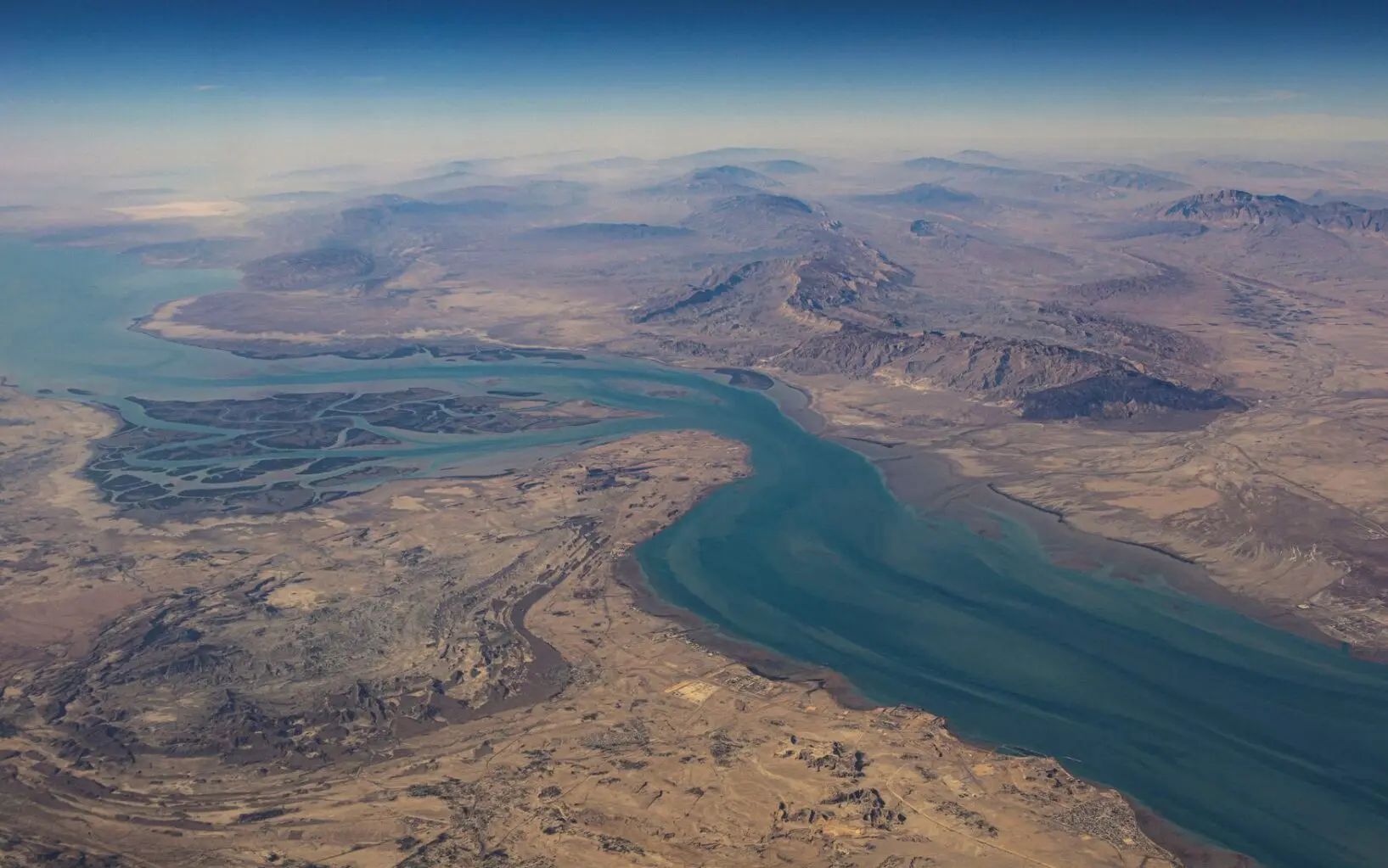
Oil moving through the Strait of Hormuz ran at about 5 million barrels a day on Monday, down from more than 20 million barrels a day before the conflict, according to Vortexa tracking data reported by Reuters, with commodity vessel traffic running roughly 90 percent below its pre-conflict level. The strait came under further pressure as Iran said it had blacklisted 45 tankers over passage through it and the U.S. Treasury announced a new set of sanctions on Monday.
Traffic and oil flows stayed far below normal
Fewer than 20 commodity vessels transited the Strait of Hormuz over the weekend, with 4 crossing on Sunday and 13 on Saturday, according to Kpler ship-tracking data reported by Reuters, which put recent transits detected by automatic identification systems at roughly 90 percent below pre-conflict baselines. The counts remain provisional, as some vessels switch off their transponders on the way through, which can leave a crossing unrecorded until later data arrives.
Traffic on the other side of the Arabian Peninsula also eased. A total of 24 commodity vessels sailed through the Bab el-Mandeb strait on Sunday, down from 32 on Saturday and against 22 on the preceding Friday, on the same Kpler data reported by Reuters.
| Waterway | Vessels, Saturday | Vessels, Sunday |
|---|---|---|
| Strait of Hormuz | 13 | 4 |
| Bab el-Mandeb | 32 | 24 |
Kpler ship-tracking data reported by Reuters, for the weekend of 22 and 23 August 2026. Bab el-Mandeb also carried 22 vessels on Friday 21 August. Counts are subject to revision.
The strait carries a large share of global energy trade
The strait’s importance is larger than any single day’s traffic. In 2024 the oil moving through Hormuz averaged about 20 million barrels a day, equivalent to about 20 percent of global petroleum-liquids consumption, and the flow made up more than 25 percent of total global seaborne oil trade, according to the U.S. Energy Information Administration. About 20 percent of global liquefied natural gas trade also passed through the strait, primarily from Qatar.
The agency’s own volume series shows how far flows have fallen. Total oil moving through Hormuz averaged 4.9 million barrels a day in the second quarter of 2026, down from 21.6 million barrels a day in the fourth quarter of 2025, a fall of about 77 percent, on our calculation. Monday’s reading of about 5 million barrels a day sits close to that second-quarter average, on our reading. Alternative routes cannot fully replace the strait: the agency estimates that about 2.6 million barrels a day of pipeline capacity across Saudi Arabia and the United Arab Emirates could be available to bypass it in the event of a supply disruption, well short of the volumes that normally move through.
| Period | Total oil flows through Hormuz, million barrels a day |
|---|---|
| Fourth quarter 2025 | 21.6 |
| Second quarter 2026 | 4.9 |
U.S. Energy Information Administration, Short-Term Energy Outlook, 11 August 2026. The agency notes that identification-system data for ships transiting Hormuz have been especially unreliable since late February 2026 and that its 2026 figures are being revised frequently.
Restrictions around the waterway are tightening
The thin traffic has coincided with tighter and riskier conditions around the strait. Iran said it had blacklisted 45 tankers that had broken its rules for crossing the Strait of Hormuz and would take action against any vessels transferring cargoes with them, according to Reuters. The named vessels could be fined, detained or have their cargoes confiscated, and any vessel involved in ship-to-ship transfers with them could be added to the list. Separately, an oil tanker was struck on Tuesday by an unidentified projectile and disabled about 9 nautical miles, or 17 kilometres, northeast of Oman’s Ash Shishah, according to UK Maritime Trade Operations as reported by Reuters.
The U.S. Department of the Treasury said on Monday it had begun what it named Operation Economic Outcast, issuing sanctions determinations against 5 sectors it identified as digital assets, technology, gold, aviation and shipping. The Office of Foreign Assets Control sanctioned nearly 60 entities, individuals and vessels across multiple jurisdictions. The department said that any entity facilitating money laundering or sanctions evasion on behalf of Iran risked being cut off from the U.S. financial system, and that the measures expanded secondary-sanctions exposure for those continuing to do business with the affected parties.
Why it matters: The Strait of Hormuz is the outlet for a large share of the world’s seaborne oil and gas, so oil transit of about 5 million barrels a day is a direct read on energy supply security rather than a routine fluctuation. Because pipeline routes can carry only about 2.6 million barrels a day around the strait, a sustained reduction in flows cannot be fully offset, which raises the cost and the risk premium attached to Gulf energy exports, lengthens voyage planning as some cargoes weigh alternatives, and feeds into global crude and gas prices. The Gulf’s exporters and the buyers who depend on those cargoes are the most exposed to any prolonged disruption.
Outlook: The near-term signal is whether daily oil transit recovers from its recent lows or stays depressed, with the ship-tracking figures liable to revision as delayed transponder data lands and the statistical agency updating its numbers frequently. Attention also turns to enforcement of the 45-vessel blacklist and the new sanctions determinations, to the security of vessels near the strait after Tuesday’s tanker strike, and to whether the lower transit volumes translate into a further fall in exported barrels and gas cargoes rather than a short-lived trough.
Sources: Reuters; Vortexa and Kpler ship-tracking data; UK Maritime Trade Operations; U.S. Department of the Treasury; U.S. Energy Information Administration.