Rosneft Starts Pumping Oil Through New Vostok Arctic Pipeline, Targeting 50 Million Tonnes by 2030
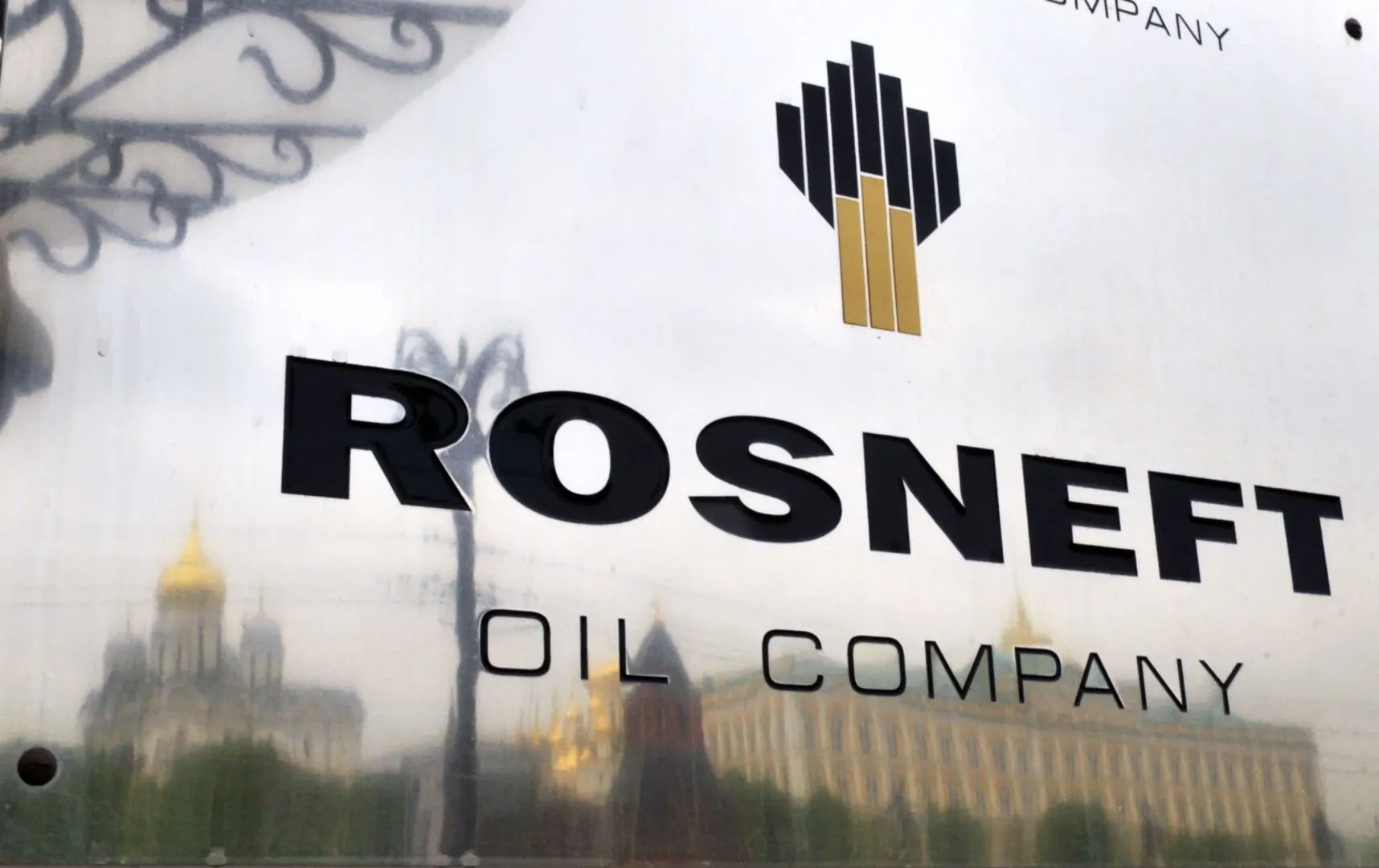
Oil has begun flowing through a newly completed pipeline carrying crude from Rosneft’s Vostok Oil fields in Russia’s Krasnoyarsk region to the Sever Bay port terminal for loading onto tankers, President Vladimir Putin said at a televised ceremony, according to the Kremlin’s own published transcript of his remarks and reported by CNBC. The Kremlin’s account of the ceremony named the first cargo loaded as the ice class tanker Valentin Pikul. Putin said Sever Bay “will eventually become the largest northern oil port in the world”, per Sputnik, the Russian state news agency.
A Project Meant to Rival the North Sea, Still Ramping Up
Vostok Oil holds an estimated 44 billion barrels, or about 6 billion tonnes, of oil resources, Reuters has reported, a scale Rosneft has previously compared with reshaping Europe’s oil market. The Sever Bay terminal’s first phase has a design capacity of 30 million tonnes a year, equivalent to about 600,000 barrels a day, according to Putin’s own remarks at the ceremony; that first phase capacity is intended to be reached over the next several years rather than immediately, with Rosneft’s broader medium term target, in place since at least 2021, calling for the wider project to reach 50 million tonnes a year around 2030. On our calculation, the 600,000 barrel a day first phase design capacity would equal roughly 17 percent of Russia’s seaborne crude exports, which fell to about 3.58 million barrels a day in the 4 weeks to 16 August 2026, their lowest since April, amid Ukrainian drone strikes on Russian refining and export infrastructure, Bloomberg reported.
A Launch Years Behind an Original Timeline, With Its Original Foreign Backers Gone
Rosneft had originally targeted 2024 for the port to begin shipping at its initial rate, Reuters reported in 2022, meaning this week’s pipeline start up arrives roughly 2 years later than first planned. The project’s lifetime investment has previously been put at around 157 billion dollars. Rosneft did bring in international partners early on: Vitol and Mercantile & Maritime bought a 5 percent stake for about 3.7 billion dollars in 2021, but the consortium sold that stake to Fossil Trading FZCO in a deal completed in December 2022, Vitol said. The project has continued to draw state support even as Russia has raised taxes elsewhere: lawmakers approved a tax break for Vostok Oil in 2024, even as parliament passed broader tax increases the same year.
Why it matters: For Russia, getting oil flowing through the pipeline marks a milestone in a project meant to open a new Arctic export route to Asia at a time when the country’s overall crude output has been falling. Russian crude production averaged 8.74 million barrels a day in May 2026, down from a 2025 average of 9.2 million barrels a day, and the International Energy Agency further cut its 2026 and 2027 Russian supply outlook in July, citing sanctions and drone strikes on refineries. A project designed to add hundreds of thousands of barrels a day of new export capacity is arriving as the production base it draws on has already shrunk.
Outlook: Rosneft’s own target puts the project’s medium term capacity at 50 million tonnes a year around 2030, but the first phase’s roughly 2 year delay from its original 2024 start is the relevant precedent for how firm that date is. The stake sale to Fossil Trading FZCO also means the project’s international financial backing looks different today than when it was first marketed to Western trading houses.
Sources: CNBC, Reuters, Bloomberg, International Energy Agency, Kremlin, Sputnik.