Egypt Targets 4.5 Billion Dollars in Refinery Investment as Its Fuel Import Bill Keeps Rising
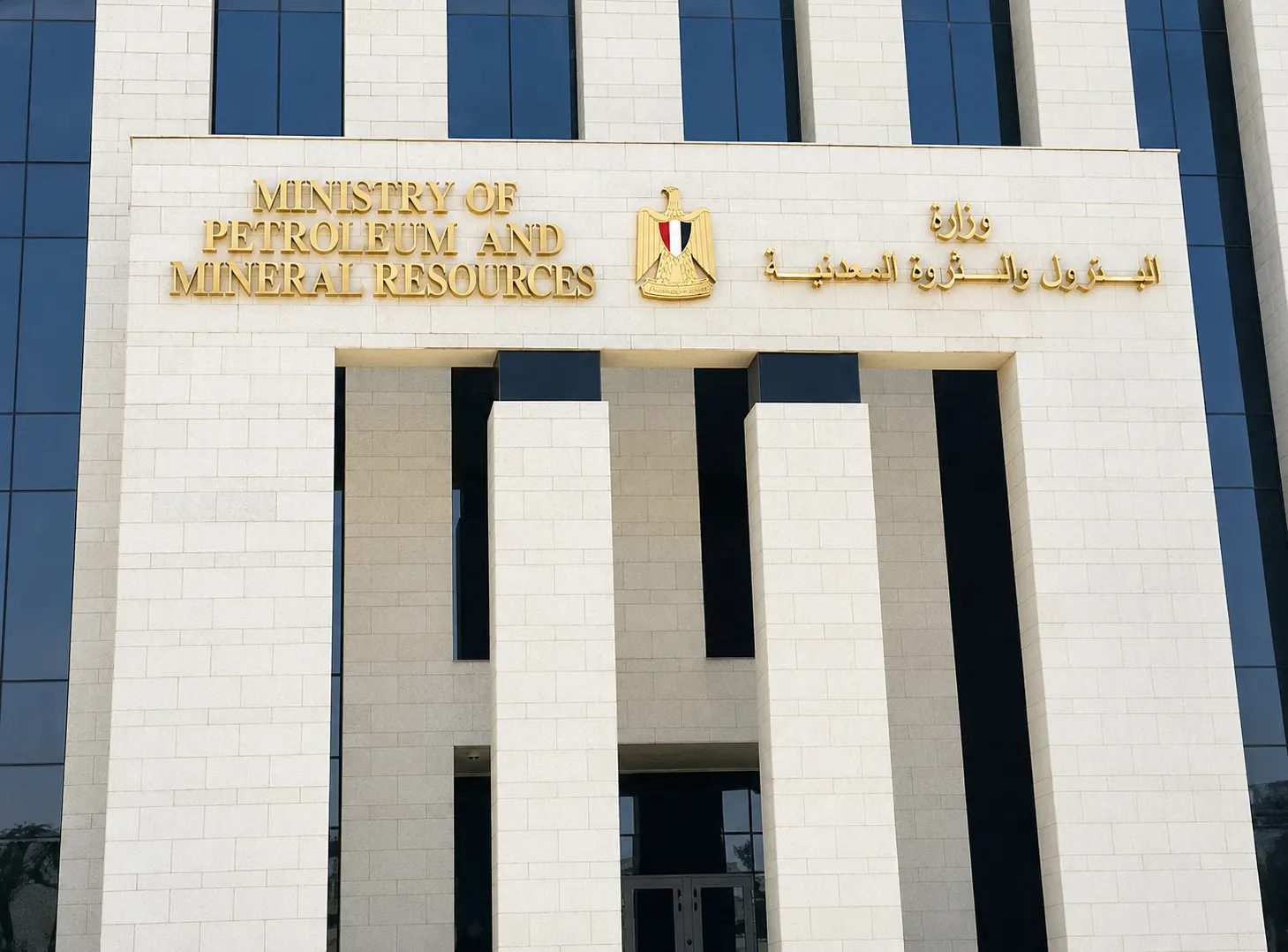
Egypt is targeting around 4.5 billion dollars in investment to upgrade existing refineries and build new processing units, Petroleum and Mineral Resources Minister Karim Badawi said, aiming to cut fuel imports and reduce the country’s dependence on imported refined products, MEED reported.
A Recovering Refining System, a Rising Import Bill
Egypt’s refineries are running at 80 percent of capacity, Badawi said, up from 66 percent 2 years ago, a 14 percentage point improvement. That recovery has not stopped import costs from climbing. Egypt raised its fuel import budget by almost 40 percent for the 2026/27 fiscal year, a decision the ministry linked to Brent crude, which has risen by about 33 percent since the war began on 28 February, peaking near 126 dollars a barrel in April, Bloomberg data showed, before easing to 96.21 dollars at our 4 September capture, per our published commodities wrap of 4 September. The country’s oil import bill, an aggregate the Central Bank of Egypt reports as a single line covering crude, refined products and natural gas, reached 17.32 billion dollars over the first 9 months of fiscal year 2025/26, up 19.5 percent from 14.50 billion dollars a year earlier, the central bank’s own balance of payments release showed. Petroleum product imports specifically, the narrower category the new refining capacity targets directly, totaled 782 million dollars in April 2026, down 4.4 percent from 818 million dollars in April 2025, according to CAPMAS. On our calculation, annualizing the April product import rate puts it at roughly 9.4 billion dollars a year, meaning the 4.5 billion dollar investment target is equal to about half a year of product imports at that rate, a more relevant comparison than measuring it against the broader oil import bill, which also includes crude and gas. Against that broader bill, annualized at 23.1 billion dollars assuming the final quarter holds the pace of the first 9 months, the investment target equals about 19.5 percent, a figure coincidentally close to, but unrelated to, that bill’s own 19.5 percent annual rise.
One Flagship Project Shows the Delivery Gap; Another Is Already Finished
The Assiut refinery’s hydrocracking complex, an engineering, procurement and construction contract signed with Assiut National Oil Processing Company (ANOPC) in July 2020, is now expected to reach mechanical completion in early 2027, more than 6 years after that award, after officials said in April 2026 that the project was 88 percent complete with trial operations planned for the end of 2026, MEED reported. TechnipFMC, the contractor, described the deal at signing as a “major” contract exceeding 1 billion dollars; industry reporting has since put the complex’s total cost at roughly 2.5 to 2.8 billion dollars. Once complete, the complex is designed to convert fuel oil and middle distillates from the adjacent Assiut Oil Refining Company (ASORC) into about 2.8 million tonnes a year of diesel meeting Euro 5 standards. By contrast, the Midor refinery’s separate expansion to 160,000 barrels a day is not a future project: it is complete and already operating, having processed more than 49 million barrels of crude in 2025 and reached a peak run rate of up to 170,000 barrels a day, Egypt’s State Information Service said, citing the Petroleum Ministry. In the Suez area, Badawi pressed in late August for faster completion of the coking complex at Suez Petroleum Manufacturing Company, a conversion project the ministry says will turn low value products into higher value ones and reduce imports, per a separate State Information Service release.
Why it matters: Egypt’s refining programme now spans very different stages: a finished expansion at Midor already adding supply, a flagship Assiut project still years behind its original schedule, and further Suez area conversion capacity still being built out. The bill it is meant to reduce is dominated less by the diesel and gasoline these plants produce than by crude and natural gas, so cutting product imports in half would still leave most of the underlying import growth untouched.
Outlook: No date was given for when the full 4.5 billion dollar target will be spent. Assiut’s trial operations, if they proceed on the end of 2026 plan the ministry has described, will be the clearest signal yet of how much of the self sufficiency case is real; Midor is already in the baseline rather than still to come.
Sources: MEED, Ministry of Petroleum, Central Bank of Egypt, CAPMAS, State Information Service, TechnipFMC, Bloomberg.