As US Aid Retreats, China Expands Development Finance and Global Influence
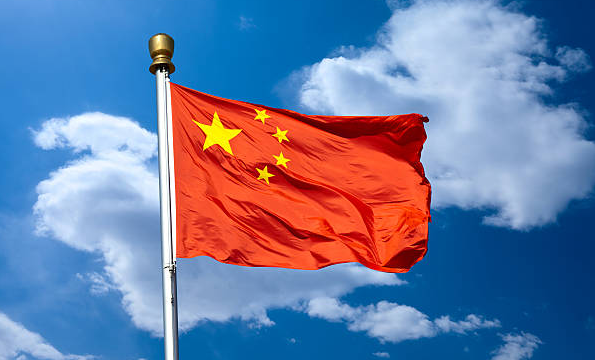
A reordering of global development finance is under way. As the United States sharply curtails its foreign-aid spending, China is moving to expand its own assistance and influence, positioning itself as the world’s largest bilateral development partner and using the opening to deepen ties through its Belt and Road Initiative.
The shift follows a steep US pullback. The dismantling of the main US aid agency and broader cuts have left a sizeable gap in global development funding, and several other Western donors have trimmed their aid budgets as well. According to the OECD, total official development assistance from major donors fell by about 23% in real terms in 2025 — the largest annual drop in the history of development aid — with the United States alone accounting for roughly three-quarters of the decline. Into that space, Beijing has signalled it intends to do more — favouring what its aid agency has described as “small and beautiful” projects alongside higher-profile commitments.
The numbers behind the shift
The scale of the realignment is significant. According to analysis by the Lowy Institute, the number of countries where Chinese development finance exceeds that of the United States jumps from 44 to 84, while the set of nations where the US is the larger partner shrinks from 98 to 52 — re-establishing China as the world’s largest bilateral development partner by commitment volume. Recent commitments illustrate the trend: Beijing pledged roughly US$137 million in earthquake relief after a major quake in the region — compared with about US$9 million from the US — and announced a US$500 million donation to the World Health Organization, stepping forward as Western contributions receded.
A more complicated picture
The reality is more nuanced than a simple handover, however. Analysts note that China has shown limited appetite for taking over the specific programmes the US has abandoned, particularly in health and humanitarian aid, leaving genuine gaps in parts of Asia and elsewhere. Beijing’s approach is strategic and selective — concentrated where it advances economic and diplomatic interests — rather than a like-for-like replacement of Western assistance. Much of its finance also flows as loans and project investment rather than grants, and a number of developing countries already face heavy debt-service obligations to China that limit their fiscal space. The result is a development landscape that is being reshaped rather than simply rebalanced.
Why it matters
For developing economies, the shift changes who funds infrastructure, health and food programmes — and on what terms. Chinese finance often comes through loans and project-based investment tied to the Belt and Road, a different model from grant-based Western aid, with implications for debt, governance and influence. For the broader global order, the realignment marks a meaningful transfer of soft power: as one major donor steps back, another steps forward, reshaping alliances and dependencies across the developing world.
For the Middle East and North Africa, the trend is especially relevant. The region has been a focus of Belt and Road investment for years, and a more active China — at a moment when several economies are seeking external financing and infrastructure capital — could further deepen Beijing’s economic footprint across the Gulf, North Africa and beyond.
Outlook
How far China fills the gap left by the US will shape development finance for years. If Beijing scales up broadly, it stands to consolidate influence across much of the developing world; if it remains selective, the net result may be a smaller global aid pool and unmet needs in the most vulnerable regions. Either way, the balance of who funds the world’s development is shifting — and the consequences will extend well beyond aid budgets.
Sources: Bloomberg; OECD; Lowy Institute; NPR.