Egypt’s Rate-Cut Cycle Stalls as Regional Conflict Pushes Inflation Back Into the Teens
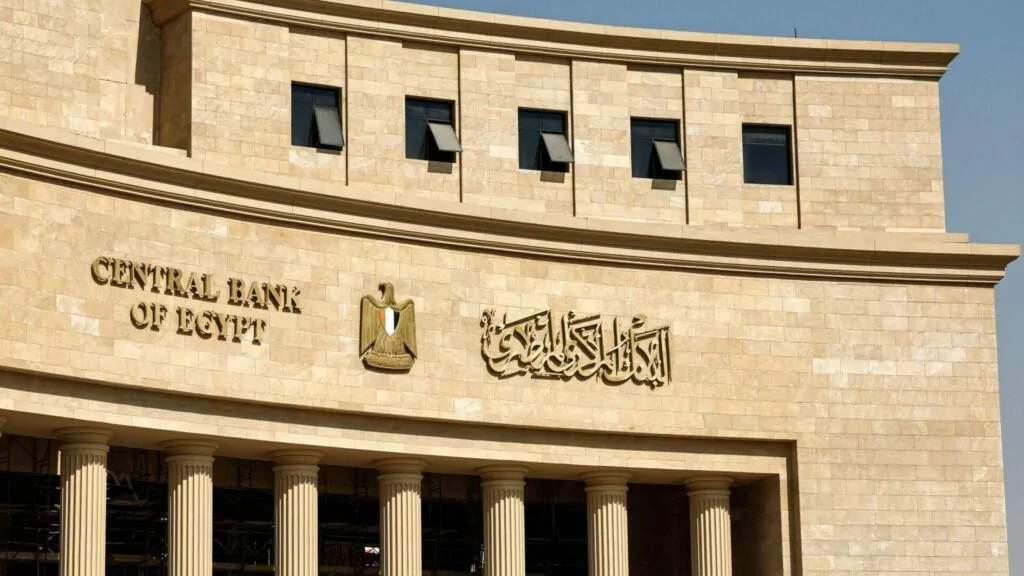
Egypt’s interest-rate-cutting cycle has stalled. After a run of reductions that began in 2025, the Central Bank of Egypt (CBE) has held its key rates at two consecutive meetings, and its own guidance points to no return to easing until inflation is firmly back on a path toward target — a goal pushed further out after the regional conflict reversed much of the disinflation achieved earlier in the year.
The pause captures the bind facing policymakers: an easing cycle that had real momentum earlier in the year has been interrupted by an inflation shock that is only slowly receding. The CBE left its overnight deposit rate at 19% at both its 2 April and 21 May 2026 meetings, the second a back-to-back hold, having raised its average inflation forecast for 2026 and signalled that single-digit inflation is not expected before the second half of 2027.
Disinflation reversed by the conflict
The reversal is striking. By early 2026 Egypt’s disinflation was well advanced: the urban headline inflation that the CBE targets had eased to 11.9% in January — its lowest in months and down dramatically from above 23% a year earlier — while the broader national headline measure dipped close to 10%. That progress let the CBE cut its key overnight deposit rate to 19% in February and lower banks’ required reserve ratio, and a steady continuation of the easing cycle looked likely.
The regional conflict changed the calculus. Higher energy costs and supply disruptions fed back into domestic prices, and urban headline inflation climbed back into the mid-teens, easing only marginally to 14.6% in May from 14.9% a month earlier. With inflation still well above the central bank’s target range and the latest outlook pushing a durable return to single-digit inflation further into 2027, the bank has chosen to hold rather than risk reigniting price pressures by loosening too soon.
Why the path back to target matters
The condition for renewed easing is not a single number but a credible, durable resumption of disinflation. The CBE eased earlier this year when inflation was falling steadily; it paused once the conflict pushed prices back up. A clear downward trend would signal that the shock has genuinely faded — the assurance policymakers have said they need before cutting again. Until then, real interest rates remain high, which supports the pound and helps anchor inflation expectations, but also keeps borrowing costs elevated for businesses and the government at a time when debt-servicing already absorbs a large share of revenues.
Why it matters
For Egypt, the timing of the next cut is consequential. Lower rates would ease the fiscal burden and support a private-sector recovery the government is counting on as it pushes its broader reform agenda. But cutting prematurely risks a renewed bout of inflation and pressure on the currency — the kind of instability Egypt has worked hard to leave behind. The CBE’s caution reflects a deliberate choice to protect hard-won macro stability over short-term growth.
The dynamic also fits a wider regional and global pattern, in which an energy-driven inflation aftershock is proving stickier than the initial spike, leaving central banks from Cairo to London weighing sticky inflation against softening activity. For investors across the Gulf and wider MENA region with exposure to Egyptian assets, the path of inflation — and the timing of the first cut — will be a key signal for the pound, local debt yields and the broader recovery.
Outlook
The trajectory now hinges on how quickly inflation resumes its descent. If the post-conflict normalisation of energy and supply chains pulls inflation back down in the months ahead, the CBE would have room to restart cutting; if price pressures prove sticky, the pause could extend. Either way, the message from policymakers is consistent: easing will resume only once inflation is convincingly back on a downward path toward target. The next decision point is the MPC’s meeting on 9 July 2026, with further meetings scheduled for 20 August, 24 September, 29 October and 17 December.
Sources: Central Bank of Egypt; CAPMAS; Bloomberg.