Commodities Wrap: Gold Slides Below US$4,200 as a Hawkish Fed Overpowers a Modest Oil Rebound

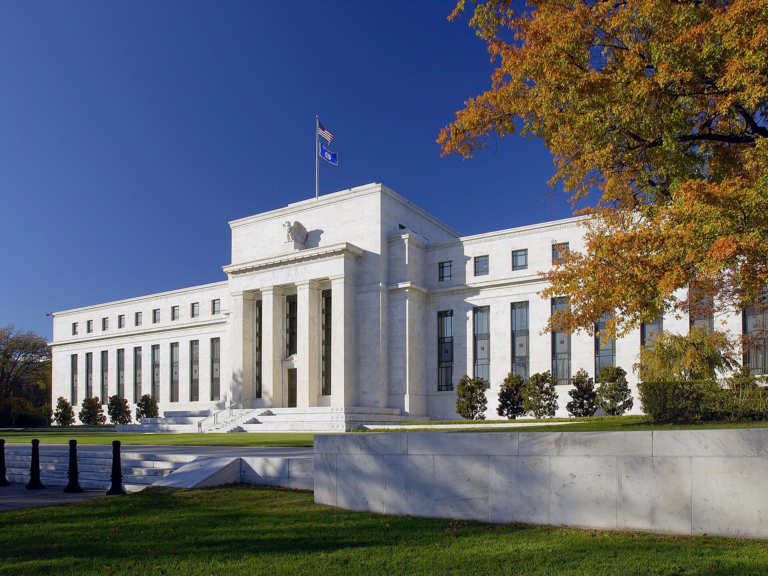
Commodity markets ended the week split. Gold dropped below US$4,200 an ounce on Friday — wiping out the week’s earlier gains — as hawkish signals from the US Federal Reserve outweighed lingering Middle East risk, while crude oil edged higher on the day but still closed lower for the week as Gulf supply continued to return.
Price strip (Friday 19 June)
- Brent crude (front-month): US$80.57/bbl, +0.9% on the day
- WTI crude (front-month): around US$77.5/bbl, up more than 1%
- Gold (COMEX): below US$4,200/oz, lower
- Silver (COMEX): around US$65/oz, lower
- Copper (COMEX): around US$6.32/lb, lower
- Henry Hub gas: around US$3.21/MMBtu, lower
Prices reflect Friday 19 June front-month futures levels and are indicative, as commodity prices move continuously.
Gold leads the metals lower
Gold was the week’s main story. After climbing earlier in the week, the metal fell back below US$4,200 an ounce on Friday — with spot trading around US$4,150–4,180 — as the Federal Reserve’s more hawkish stance lifted the opportunity cost of holding a non-yielding asset. At its latest meeting the Fed held rates but signalled a higher-for-longer path, with a growing number of policymakers now expecting a hike this year. The move extended a retreat from the spot-market record near US$5,590 an ounce that gold set in late January 2026, even as the longer-term demand backdrop — including record central-bank buying intentions — remains intact. Silver followed gold down, trading around US$65 an ounce, its lowest since 11 June, while copper eased to around US$6.32 a pound on a cautious risk tone.
Crude steadies on the day, softer on the week
Oil moved the other way on Friday but could not escape a weekly loss. Brent settled around US$80.57 a barrel, up about 0.9%, and US West Texas Intermediate firmed near US$77.5, as the abrupt postponement of US–Iran talks in Switzerland and slower tanker movements through the Strait of Hormuz added a modest risk premium back into the market. Even so, both benchmarks finished the week sharply lower — Brent down roughly 8% and WTI more steeply — as the broader trend, the reopening of the Strait of Hormuz and the gradual normalisation of regional crude supply, continued to weigh on prices. US natural gas at Henry Hub slipped to around US$3.21 per million British thermal units, driven more by domestic supply and weather than by the regional risk picture.
Why it matters for the region
For Gulf producers, the steadier oil tone on Friday offered little comfort against a week of declines, reinforcing the message from recent forecasts that prices may stay capped as regional supply normalises. Softer crude pressures the hydrocarbon revenues that underpin regional budgets, strengthening the case for fiscal discipline and diversification. The simultaneous slide in gold and silver also matters for the region’s substantial official and private precious-metals holdings, which had benefited from the wartime safe-haven bid now unwinding.
Outlook
The near-term path still hinges on two variables: how smoothly Gulf exports normalise through Hormuz, and how firmly the Federal Reserve signals it will hold or raise rates. For oil, an orderly return of supply argues for a lower trading range unless talks collapse or shipping is disrupted again. For gold and silver, the Fed’s trajectory will remain the dominant driver now that the war premium is fading — even as central-bank demand provides a longer-term floor.
Sources: CNBC; Bloomberg (Brent, WTI, gold, silver, copper and Henry Hub prices).