Visible From Space: Gulf Producers Begin Unwinding the Biggest Oil-Output Cut in History as Hormuz Reopens
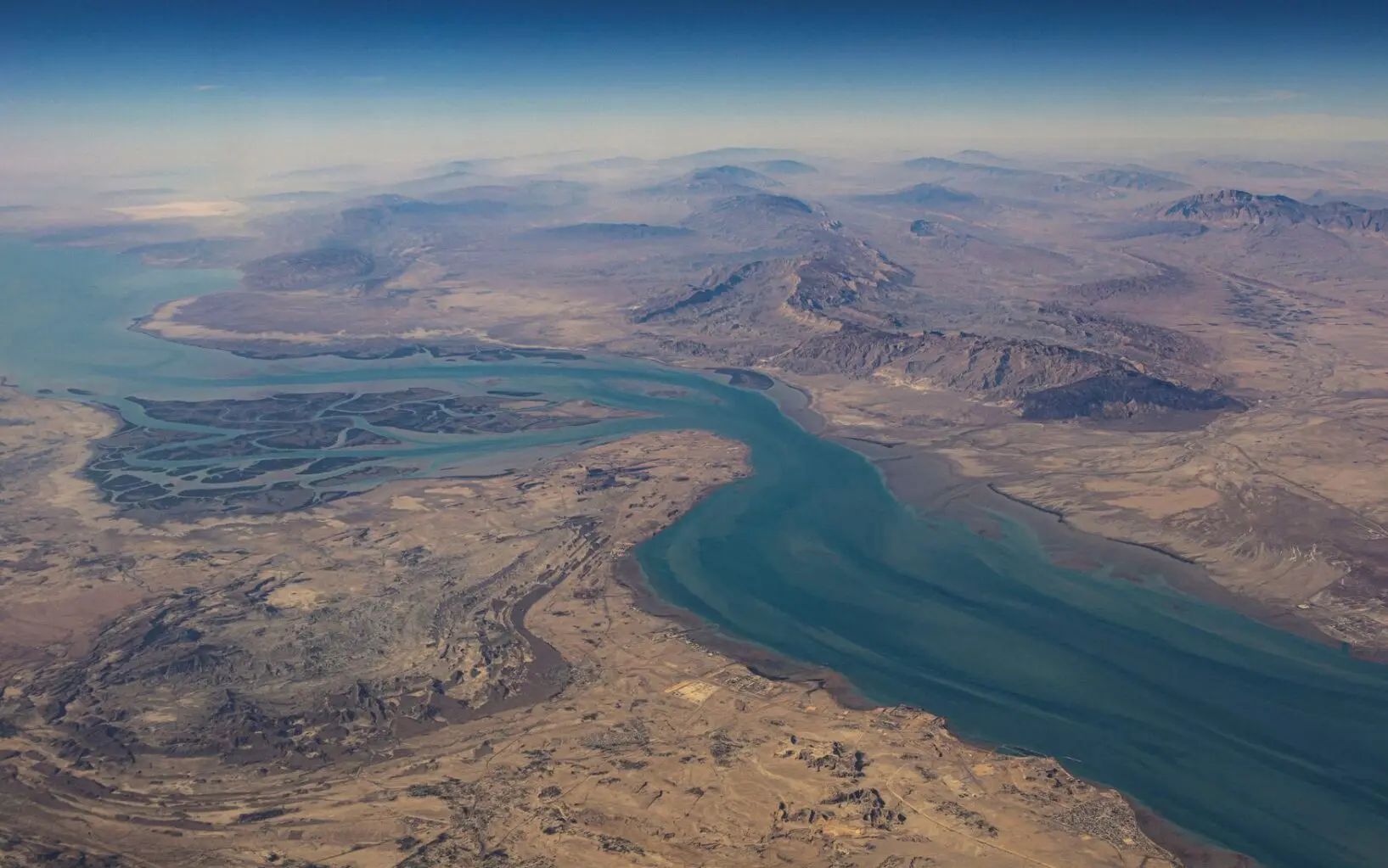
The reopening of the Strait of Hormuz has set in motion an industrial event of extraordinary scale: Gulf producers are restarting thousands of oil wells that were shut for roughly 100 days — an operation so large that its heat signature is expected to be visible from space. The restart marks the beginning of the end of the biggest production cut in the oil industry’s history.
Following the agreement that ended the conflict and allowed traffic through the strait to resume, energy executives across the Gulf have begun planning the orderly return of barrels that had been taken offline. The numbers are staggering: at the height of the disruption Gulf oil exports had fallen by almost 15 million barrels a day — roughly a 60% drop versus February, according to Bloomberg — in what market reporting has described as the biggest production cut in the oil industry’s history.
A restart you can see from orbit
As fields are brought back, the flaring of gas and the firing-up of processing facilities produce thousands of megawatts of heat — enough that satellites are expected to detect the restart from orbit. It is a vivid measure of just how much capacity was taken offline, and of the complexity of switching it back on. Restarting a major oil field is not a matter of turning a tap; it requires careful sequencing of wells, pressure management and the recommissioning of pipelines, processing plants and export terminals.
Why it will not happen overnight
Executives have been clear that normalisation will take time. TotalEnergies Chief Executive Patrick Pouyanné told French lawmakers that a return to normal operations across the market could take around six months, provided the strait stays open. Several practical hurdles stand in the way: the need to clear mines and ensure safe passage, a shortage of available tankers — industry estimates suggest the recovery could require the equivalent of about 140 supertankers, with scores still stranded inside the Gulf — sharply higher freight and insurance costs, and the technical work of bringing long-idled infrastructure back online, with well over a million barrels a day of refining capacity offline and billions of dollars of damage to repair. The pace of that recovery is precisely the uncertainty that has kept oil markets volatile, even as prices have eased from their wartime peaks.
Why it matters for the region and the world
For Gulf producers, the restart is both an opportunity and a test. It also showcases the region’s operational depth, as Gulf producers manage complex field, logistics and export sequencing under intense global market scrutiny. Restoring output revives the hydrocarbon revenues that underpin regional budgets, but doing so into a market wary of oversupply — and amid forecasts of a possible 2027 glut — means the return must be managed carefully to avoid driving prices sharply lower. For the global economy, the return of those millions of barrels a day of Gulf supply is the single most important factor in easing the energy shock, lowering prices and relieving inflation pressure in importing nations.
Outlook
The coming months will be defined by the speed and smoothness of the restart. An orderly, well-sequenced return of Gulf barrels would help stabilise prices in a lower range and draw a line under the supply shock; any setback — a renewed flare-up, shipping disruption or technical delay — could quickly reprice the market. For now, the world is watching one of the largest coordinated restarts in energy history unfold, quite literally, from space.
Sources: Bloomberg; TotalEnergies.