Commodities Wrap 9 July: Oil Retreats on Mediation Hopes as Precious Metals Rebound Across the Board
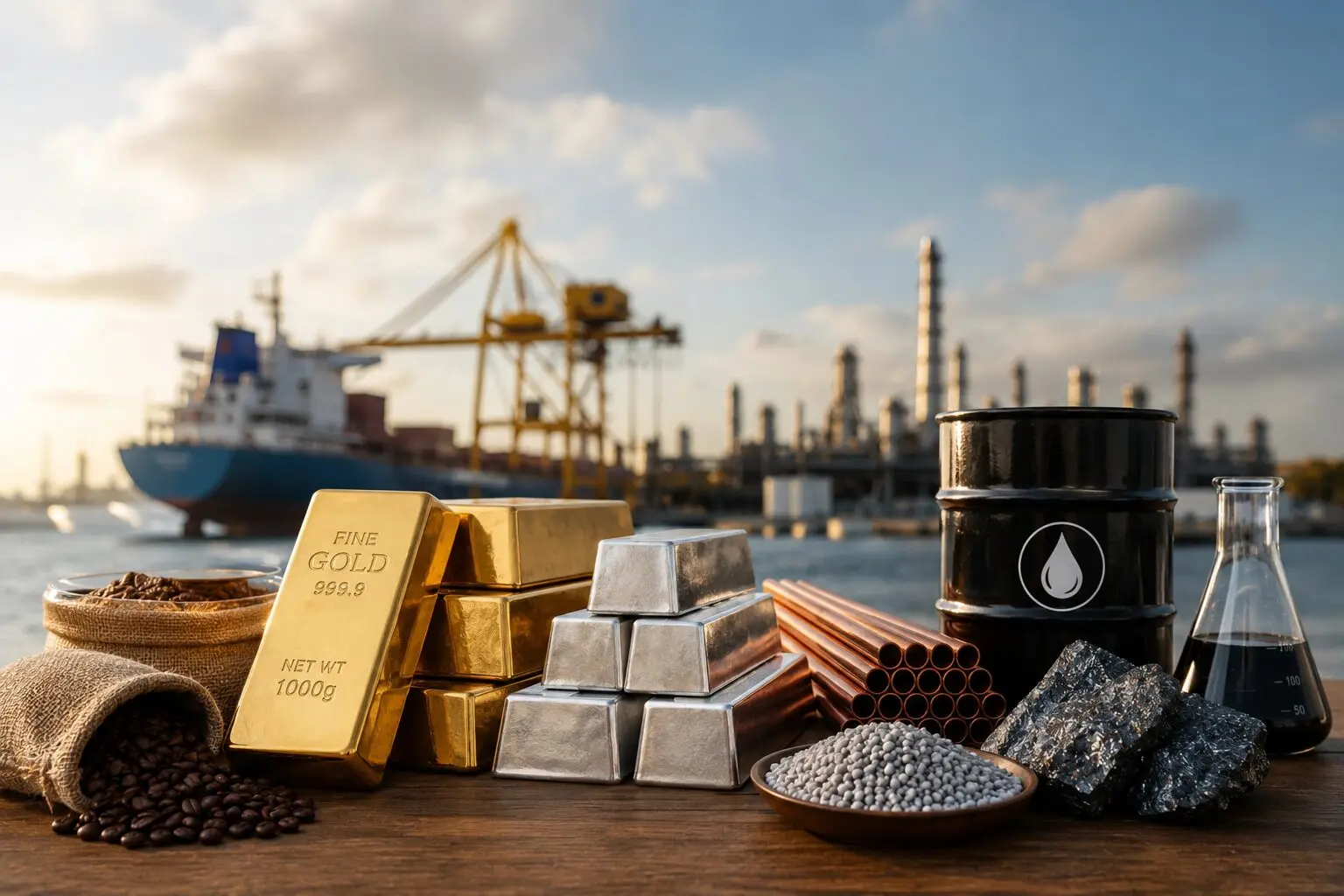
Commodities reversed course on Thursday, with crude oil giving back part of two days of sharp gains while the entire precious-metals complex rebounded from Wednesday’s selloff, as diplomatic efforts to contain the confrontation between the United States and Iran took some of the risk premium out of oil and kept hedging demand under metals. The levels below reflect CNBC’s active futures settlement values for the day, with metals settling in the early New York afternoon and energy contracts settling later in the session.
Energy retreated. Brent crude for September delivery fell 2.44 percent to US$76.12 a barrel and West Texas Intermediate for August lost 2.18 percent to US$71.92, after prices had spiked earlier in the session. Qatar and Pakistan are working to bring Washington and Tehran back to the negotiating table, CNBC reported, and the prospect of de-escalation outweighed a second consecutive day of strikes. Tanker traffic through the Strait of Hormuz has slowed this week, but the market is not pricing a full closure of the waterway. Even after Thursday’s pullback, Brent remains about 2.7 percent above Tuesday’s level and WTI about 2.2 percent higher, our calculation based on CNBC settlement values, so a meaningful security premium is still in the price. Natural gas fell hardest in the complex, dropping 6.54 percent to US$3.002 per million British thermal units after the US Energy Information Administration reported a net storage injection of 61 billion cubic feet for the week ended 3 July, leaving stocks at 2,983 billion cubic feet, about 6.6 percent above the five-year average.
Precious metals rose across the board. Silver led the complex, climbing 3.19 percent to US$60.41 an ounce, while palladium added 2.21 percent to US$1,251.00 and platinum gained 2.12 percent to US$1,621.50. Gold rose 1.21 percent to US$4,132.00 an ounce. The rebound recovered part of Wednesday’s losses as investors sought hedges against the regional escalation and its potential economic fallout. Silver’s outperformance pulled the gold to silver ratio down to about 68.4, our calculation, from just under 70 the day before.
In base metals, copper climbed 2.44 percent to US$6.2565 a pound, recouping Wednesday’s decline across the industrial complex.
Why it matters: The read for MENA runs through both channels. Softer crude, if it holds, would modestly ease the import bills of the region’s energy importers such as Egypt and Jordan, while for Gulf producers the more important development is diplomatic: mediation in which Qatar is playing a central role offers a path to reducing the security risks around shipping through the Strait of Hormuz, the key chokepoint for Gulf oil and gas exports, which would lower insurance and freight costs for the region’s exporters. The rebound in precious metals, meanwhile, restores part of the valuation gains on regional central banks’ gold holdings that Wednesday’s selloff had trimmed.
Outlook: The situation remains highly fluid, with hostilities continuing after the close, and the premium that came out of prices on Thursday could rebuild quickly if mediation fails to gain traction. The immediate drivers for oil are the course of the confrontation between Washington and Tehran and the pace of tanker traffic through Hormuz. For natural gas, the next EIA storage report is due on 16 July. For metals, the balance between safe-haven demand tied to the regional situation and a US rate path that markets still expect to stay restrictive will set the tone.
| Commodity | Settlement | Change |
|---|---|---|
| Silver | US$60.41 | +3.19% |
| Copper | US$6.2565 | +2.44% |
| Palladium | US$1,251.00 | +2.21% |
| Platinum | US$1,621.50 | +2.12% |
| Gold | US$4,132.00 | +1.21% |
| WTI Crude | US$71.92 | -2.18% |
| Brent Crude | US$76.12 | -2.44% |
| Natural Gas | US$3.002 | -6.54% |
Sources: CNBC; EIA.