Egypt Targets 126.8 Gigawatts of Generation by 2040 With Renewables at 61.2 Percent

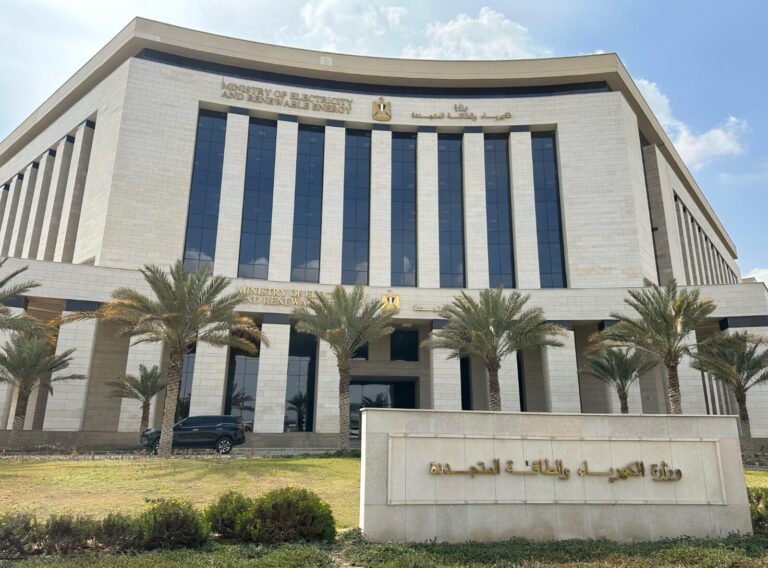
Egypt aims to raise its power generation capacity to 126.8 gigawatts by 2040, with renewables making up 61.2 percent of the mix, Electricity and Renewable Energy Minister Mahmoud Esmat said at a National Press Authority seminar on Sunday. The target is 2.1 times the 59,694 megawatts installed in 2023/2024, on our calculation. He put investment in the grid through 2040 at 4,177 billion Egyptian pounds.
The 2040 mix
| Source | Capacity by 2040, GW |
|---|---|
| Thermal | 49.0 |
| Wind | 40.5 |
| Solar | 24.7 |
| Nuclear | 4.8 |
| Hydro | 2.9 |
| Pumped storage | 2.4 |
| Batteries | 2.3 |
Figures as presented by the minister.
Wind and solar together account for 65.2 gigawatts, more than half of the 2040 target, on our calculation. The minister cited more than 190 billion pounds of state financing for renewables, about 30 billion pounds of fuel savings from coordination with the petroleum ministry, and gas savings of between 13.8 billion and 40.2 billion dollars over 2026 to 2030.
The Saudi link
Egypt is also building a 3,000 megawatt electricity interconnection with Saudi Arabia. It uses 500 kilovolt high voltage direct current technology to join Badr, east of Cairo, with East Medina and Tabuk, over about 1,350 kilometres of overhead lines and a 22 kilometre subsea cable in the Gulf of Aqaba, at a total cost of 1.8 billion dollars, the Saudi Press Agency reported in October 2021. The minister said in December that a first phase would exchange 1,500 megawatts, followed within months by a second phase at 3,000 megawatts. At full capacity the link equals 5.0 percent of the 2023/2024 installed base and 8.2 percent of that year’s peak load of 36,800 megawatts, on our calculation.
Why it matters: The plan pairs a large build out of wind and solar with storage, nuclear power and a regional link, which together give the grid the flexibility to absorb more renewable output while the ministry expects fuel and gas savings over the rest of the decade.
Outlook: Full commercial operation of the Saudi interconnection and the first El-Dabaa nuclear unit, due to connect to the grid in 2028, are the next milestones on the path to 2040.
Sources: State Information Service, Saudi Press Agency, CNBC Arabia, Ministry of Electricity and Renewable Energy.