Egypt Records 1.95 Million Births in 2025 and Infant Mortality Improves to 20.4 per 1,000

The Takeaway: Egypt registered 1.95 million births in 2025, and infant mortality improved to 20.4 deaths per thousand live births, with child mortality better on every measure the statistics agency reports. Deaths held almost level, so natural increase stayed above 1.3 million. Rural areas supplied most of that increase.
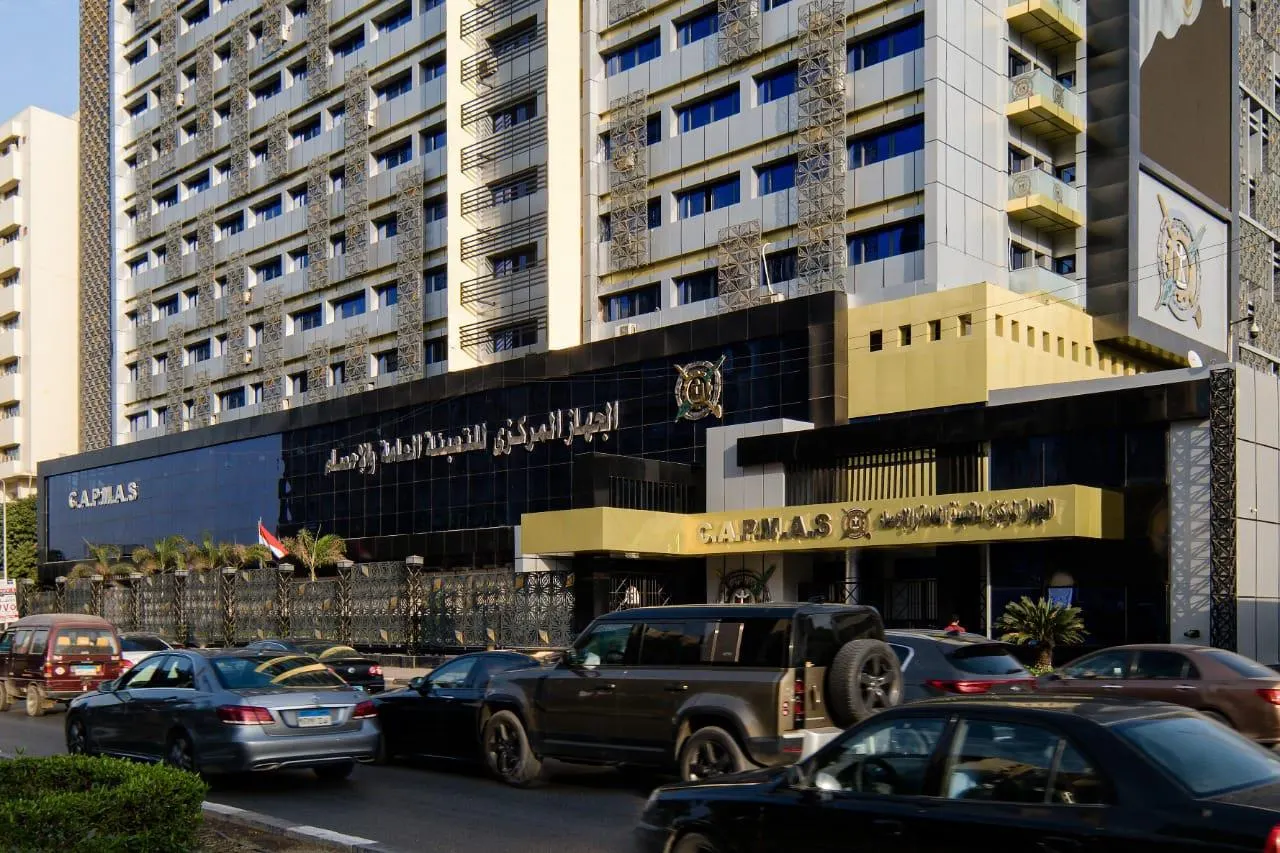
Egypt’s infant mortality rate improved to 20.4 deaths per thousand live births in 2025 from 21.6 in 2024, the Central Agency for Public Mobilization and Statistics (CAPMAS) said on Monday.
The figures come from the agency’s announcement on Monday of its annual bulletin of birth and death statistics, a series it compiles with the information center of the Ministry of Health and Population. The announcement counts 1,952,128 births and 609,912 deaths over the year.
Natural increase, births minus deaths, came to 1.342 million, against 1.357 million in 2024.
Child survival improves on every measure the agency reports
Infant deaths, those of children under one year old, totalled 39,727, down 6.8% from 2024. Deaths of children under five numbered 47,250, a fall of 7.5%.
The under-five mortality rate improved to 24.2 per thousand live births from 26.0.
Both counts fell far faster than births, which is why the rates improved. Children under five accounted for 7.7% of all deaths in 2025, against 8.4% a year earlier. Infants made up 84.1% of those under-five deaths.
Total deaths edged down 0.25%, and the crude death rate held at 5.7 per thousand population, unchanged from 2024.
Male deaths rose 0.7% while female deaths fell 1.4%. That lifted the male share of all deaths to 55.8% from 55.3%.
Egypt’s births and deaths, 2025 and 2024
| Indicator | 2025 | 2024 | Change |
|---|---|---|---|
| Births | 1,952,128 | 1,968,396 | -0.8% |
| Birth rate, per 1,000 population | 18.1 | 18.5 | -0.4 |
| Total fertility rate, children per woman | 2.36 | 2.41 | -0.05 |
| Deaths | 609,912 | 611,421 | -0.25% |
| Death rate, per 1,000 population | 5.7 | 5.7 | 0 |
| Infant deaths, under one year | 39,727 | 42,605 | -6.8% |
| Infant mortality, per 1,000 live births | 20.4 | 21.6 | -1.2 |
| Under-five deaths | 47,250 | 51,103 | -7.5% |
| Under-five mortality, per 1,000 live births | 24.2 | 26.0 | -1.8 |
| Natural increase, million | 1.342 | 1.357 | -1.1% |
| Natural increase rate, per 1,000 population | 12.4 | 12.8 | -0.4 |
Changes as the agency prints them; rate changes are in points per 1,000. The 2024 figures are those the agency printed in its announcement of the 2025 bulletin. The fertility-rate difference is The Edge’s calculation.
Births total 1.95 million and fertility stands at 2.36
Registered births fell by 16,268, or 0.8%, from 2024. The birth rate eased to 18.1 per thousand population from 18.5.
The total fertility rate stood at 2.36 children per woman of childbearing age, against 2.41 a year earlier.
Boys outnumbered girls at birth by 106 to 100, the same ratio as in 2024. Male births fell 0.8% and female births 0.9%.
Rural areas recorded 1,192,413 births, or 61.1% of the total. Their birth rate was 19.3 per thousand population, against 16.5 in urban areas.
By the mother’s place of residence, Giza recorded the most births, 177,453 or 9.1% of the national total. Port Said recorded the fewest of the governorates ranked, with 0.5%.
Assiut, Sohag, Qena, Minya and Beni Suef had the highest birth rates, and Port Said, Dakahlia, Damietta, Gharbia and Suez the lowest. The agency left the frontier governorates out of its governorate rankings.
Births to non-Egyptians rose 22% to 31,158. That is about 1.6% of all births.
Births to nationals of Arab countries numbered 22,743, or 73% of the non-Egyptian total. Sudan led with 13,992, or 61.5% of the Arab figure. Births to Sudanese nationals alone made up 44.9% of all non-Egyptian births.
The bulletin series counts registered births and deaths. The agency’s separate Egypt Family Health Survey 2025, whose preliminary results The Edge set out on 24 September, measures fertility in a different series.
Rural areas supply two-thirds of the natural increase
Deaths split almost evenly between urban and rural areas, at 306,338 and 303,574. Urban areas accounted for 50.2% of the total.
Set against the births, that puts rural natural increase at 888,839 and urban at 453,377. Rural areas therefore account for 66.2% of the national increase, by The Edge’s calculation.
Rural areas recorded 3.9 births for every death and urban areas 2.5. Nationally the ratio was 3.2, the same as in 2024.
Egypt’s births and deaths by area, 2025
| Area | Births | Deaths | Natural increase |
|---|---|---|---|
| Urban | 759,715 | 306,338 | 453,377 |
| Rural | 1,192,413 | 303,574 | 888,839 |
| Total | 1,952,128 | 609,912 | 1,342,216 |
Births and deaths as the agency prints them; natural increase by area is The Edge’s calculation, births minus deaths.
Cairo accounted for the largest share of deaths, at 13.0%, and Suez the smallest of the governorates ranked, at 0.75%. Alexandria, Cairo, Port Said, Giza and Damietta had the highest death rates, while Beni Suef, Minya, Fayoum, Sohag and Assiut had the lowest, the frontier governorates again excluded.
Natural increase slipped 1.1%. Births fell by 16,268 over the year and deaths by 1,509. The natural increase rate eased to 12.4 per thousand population from 12.8.
In The Edge’s reading, the clearest message in the announcement is the pace of gains in child survival. Infant deaths fell more than eight times as fast as births, and under-five deaths more than nine times as fast.
Method: all figures are from the Central Agency for Public Mobilization and Statistics’ announcement of 16 November 2026 of its annual bulletin of birth and death statistics for 2025, with the 2024 comparisons as printed in that announcement. Shares, ratios, differences and the urban and rural natural increase are The Edge’s calculations.
Sources: Central Agency for Public Mobilization and Statistics, The Edge.