Egypt Puts 90 Billion Pounds Behind Economic Activity in the 13th Citizen Budget
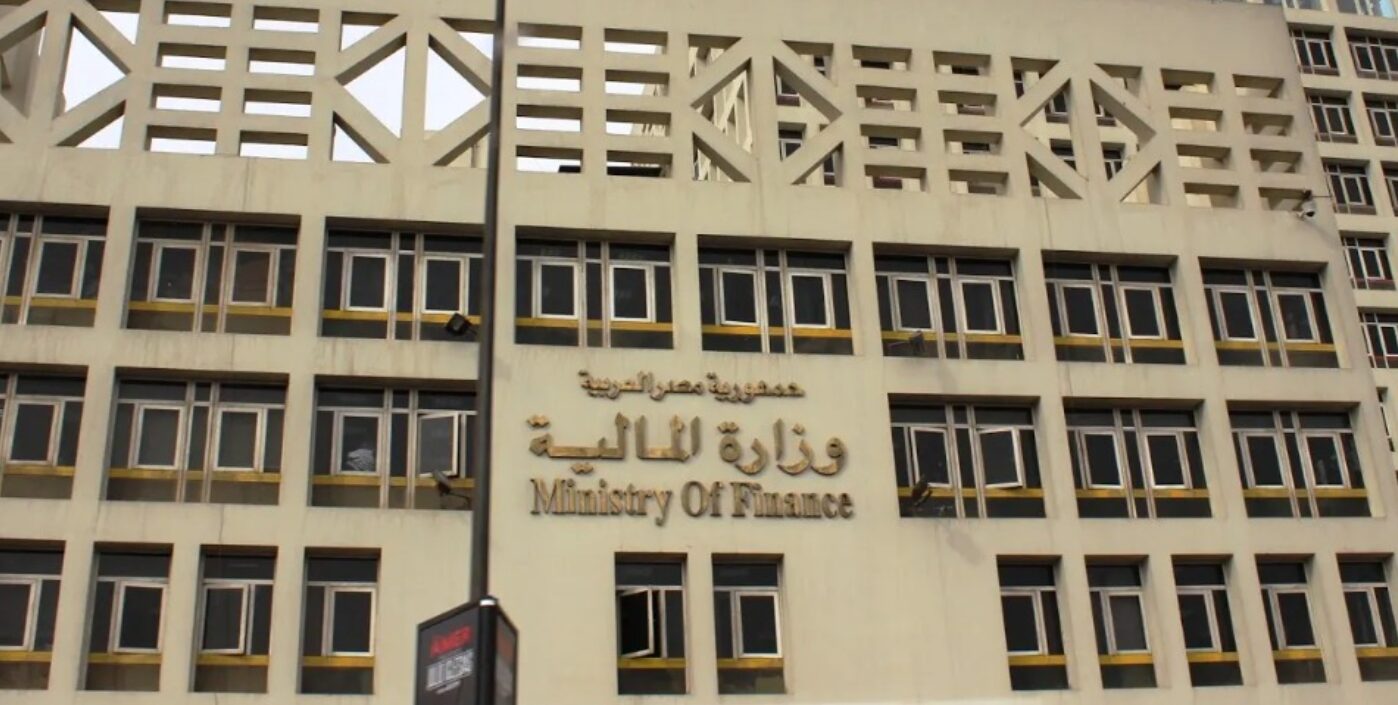
Egypt has published the 13th edition of its Citizen Budget, and it sets aside 90 billion pounds for programmes supporting economic activity. Within that sum sit 48 billion pounds for refunding export burdens and supporting exporters, 6.7 billion pounds for tourism and 6 billion pounds to finance facilities for productive sectors, which the Finance Ministry says are meant to build up industrial and agricultural capacity.
| Programme | Allocation, EGP billion |
|---|---|
| Support for economic activity, total | 90.0 |
| Of which, export burden refunds and exporter support | 48.0 |
| Of which, tourism support | 6.7 |
| Of which, financing facilities for productive sectors | 6.0 |
The 3 named lines sit inside the 90 billion pound total and are not additional to it. They come to 60.7 billion pounds on our calculation, leaving 29.3 billion of the total not itemised in the release.
4 priorities, and a wage rise without a number
Finance Minister Ahmed Kouchouk said the current year’s budget carries a real increase in employees’ wages, with a larger increase targeted at health and education staff, and that the budget leans towards human development with higher allocations for both sectors. No percentage and no pound figure is attached to the wage rise anywhere in the release.
The release sets out 4 priorities for fiscal policy alongside the economic path: driving economic activity, preserving financial stability, supporting citizens, and running a consistent strategy to improve the government’s debt indicators, its debt service and the maturity of that debt. Encouraging production and exports is described as a priority in its own right, with allocations meant to help build an economy that is more competitive and more responsive to citizens and investors.
The tax, customs and property packages
The release frames the edition around continuing what it calls the path of trust and partnership with the business community through tax, customs and property facilitation packages. Deputy Minister for Fiscal Policies Yasser Sobhy gave the allocations, and Sara Eid, the adviser for transparency and community participation, said the aim is to explain where public spending goes and to bring citizens into setting local development priorities, under a participatory budgeting track in the governorates.
Why it matters: For Egypt, the Citizen Budget is a communication document rather than a new appropriation, so the news is in the emphasis rather than in fresh money. On our reading the significant figure is the 48 billion pounds for exporters, which is 53 percent of the 90 billion on our calculation and the largest single line, in a budget whose stated priority is production and exports. The wage commitment is the major item in the release to which no figure is attached.
Outlook: The edition itself is reached only through a link shortener rather than a ministry path, so the document behind the release could not be opened at its source. The release names no fiscal year, saying only that this is the current year’s budget, so the period the allocations belong to has to be read from the budget itself rather than from this document.
Sources: Ministry of Finance.