Egypt Reaffirms 2026/27 Plan Targets of 5.4 Percent Growth and 3.7 Trillion Pounds Invested
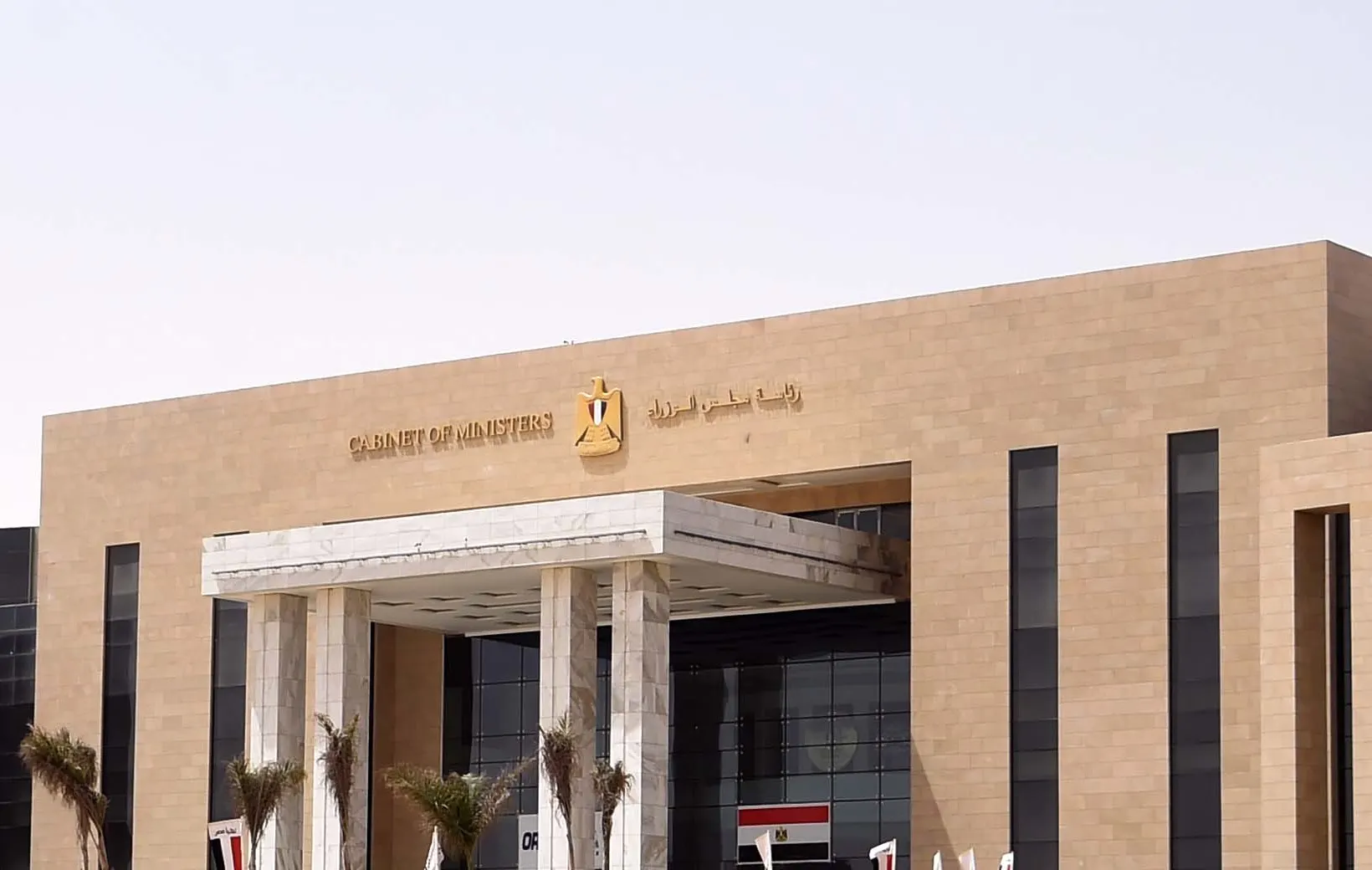
Egypt’s economic and social development plan for 2026/27 targets GDP growth of 5.4 percent, with total investment of 3.7 trillion pounds and the private sector providing 59 percent of it, according to the Cabinet. Planning and Economic Development Minister Ahmed Rostom presented the plan to Prime Minister Madbouly on Sunday, 11 October, alongside the preparation of a National Economic Transformation Programme for 2027 to 2030; he first set out the same three targets to parliament’s Plan and Budget Committee in May. The growth target is above the 5.1 percent achieved in 2025/26.
On our calculation, a 59 percent private share of 3.7 trillion pounds equals 2.2 trillion pounds of private investment, leaving 1.5 trillion pounds for public investment.
Rostom also presented the outline of a National Economic Transformation Programme for 2027 to 2030, being prepared on the basis of the existing sector strategies, the industrial development strategy and the national employment strategy. Its stated pillars include stronger tools for private participation and competition, higher employment and productivity, a more efficient spread of public and private investment across the governorates, public finance governance, more energy production and exports, and an effective framework for coordination between the central bank and the finance and planning ministries.
A target above every quarter of 2025/26
The 5.4 percent goal asks for a faster pace than any single quarter delivered last year. The Ministry of Planning’s GDP note for the fourth quarter shows growth of 5.3 percent in each of the first two quarters of 2025/26, 5.0 percent in the third and 4.73 percent in the fourth, for 5.09 percent over the year against 4.4 percent in 2024/25. Meeting the target means adding 0.31 percentage points to last year’s 5.09 percent, on our calculation.
Non-petroleum manufacturing contributed 1.14 percentage points of the year’s growth, wholesale and retail trade 0.7 points and communications and information technology 0.63 points. Together the three supplied 2.47 points, or 48.5 percent of the total, on our calculation. Manufacturing as a whole grew 9.0 percent and generated 3.21 trillion pounds of the 20.64 trillion pounds of GDP at factor cost, a 15.5 percent share on our calculation.
The six fastest-growing activities in Egypt’s 2025/26 economy
| Activity | Q4 2025/26 | FY 2025/26 |
|---|---|---|
| Suez Canal | 33.8% | 23.3% |
| Communication | 24.3% | 19.3% |
| Social security and insurance | 8.1% | 9.5% |
| Other manufacturing | 8.0% | 9.1% |
| Financial intermediaries | 7.5% | 8.9% |
| Petroleum refining | 22.4% | 8.7% |
| Total GDP | 4.73% | 5.09% |
Real growth rates as published in the Ministry of Planning and Economic Development’s GDP note for the fourth quarter and fiscal year 2025/26, ranked by full-year growth. Manufacturing appears as its two components.
The Suez Canal led the year: 13,607 vessels transited, 9.8 percent more than in 2024/25, and canal revenue rose 23.7 percent to 4.67 billion dollars. Petroleum refining grew for the first time since 2021/22, at 8.7 percent, and crude processed at refineries reached 27.7 million tons. Accommodation and food services contracted 4.2 percent in the fourth quarter as tourist arrivals eased, although the activity still grew 6.5 percent over the full year on 19.3 million international tourists.
Private investment outpaced public investment in 2025/26
Gross fixed capital formation reached 3,007.0 billion pounds at current prices in 2025/26, or 14.0 percent of GDP of 21,474.7 billion pounds, on our calculation. A year earlier, total investment of 2.34 trillion pounds equalled 12.9 percent of GDP of 18.14 trillion pounds, also on our calculation. At constant prices, investment grew 11.6 percent to 1.28 trillion pounds, led by private investment, up 14.4 percent, against 8.4 percent for public investment. The same note puts private investment at more than 55 percent of the total. A Ministry of Finance statement on 10 October, reporting 5.1 percent growth for 2025/26, put the private sector’s share of investment at 65 percent. Neither document explains the difference between the two figures.
Investment also turned into a growth driver. Investment and changes in inventories added 1.5 percentage points to growth in 2025/26, after subtracting 0.8 points the year before.
The plan’s 3.7 trillion pounds of total investment is 693 billion pounds, or 23.0 percent, more than 2025/26 gross fixed capital formation, on our calculation. Set against the 24.5 trillion pound GDP target in the budget’s macroeconomic framework, it equals 15.1 percent of GDP, 1.1 points above the 2025/26 gross fixed capital formation ratio, also on our calculation.
The budget sets a 17 percent investment rate
The Ministry of Finance’s Citizen Budget for 2026/27, citing the development plan, puts its total investment at 4.2 trillion pounds, explicitly including the change in inventories, and sets the investment rate at 17 percent. Those two numbers are consistent: 4.2 trillion pounds is 17.1 percent of the 24.5 trillion pound GDP target, on our calculation. The 3.7 trillion pound figure is 0.5 trillion pounds smaller. The 11 October statement does not say whether its total includes inventories, and neither document sets out how the two totals relate. Both put the private share at 59 percent.
Egypt’s macroeconomic targets for 2026/27
| Indicator | Target |
|---|---|
| GDP growth | 5.4% |
| GDP at market prices | EGP 24.5 tn |
| Total investment, incl. inventories | EGP 4.2 tn |
| Private share of investment | 59% |
| Investment rate | 17% |
| Saving rate | 10.5% |
| GDP deflator inflation | 9.3% |
| Unemployment | 6.2% |
| Priority sectors, share of GDP | 35.4% |
From the macroeconomic targets table of the 2026/27 Citizen Budget. Priority sectors are agriculture, industry and communications and information technology. The 11 October statement by the Cabinet gives total investment as EGP 3.7 tn.
The framework leaves a gap of 6.5 percentage points of GDP between the saving rate and the investment rate, on our calculation. The 24.5 trillion pound GDP target is 14.1 percent above the 2025/26 outturn, on our calculation. Applying the targeted 5.4 percent growth and 9.3 percent deflator inflation to the 2025/26 outturn gives 24.74 trillion pounds, 0.24 trillion more than the target, on our calculation.
Why it matters: Rostom said on 6 October that the transformation programme is meant to move the economy from reliance on consumption towards production, exports and investment. In 2025/26 household consumption still contributed 7.3 percentage points to growth and net exports subtracted 4.9 points, and the 2026/27 targets put numbers on that shift: 3.7 trillion pounds of investment, a private share of 59 percent and growth above last year’s pace.
Outlook: The first reading on the new plan comes with the national accounts for the July to September quarter of 2026/27, which will be compared with 5.3 percent growth in the same quarter a year earlier. The National Economic Transformation Programme for 2027 to 2030 is still being prepared, and its detailed measures for private participation, energy exports and investment across the governorates will show how the government intends to build on the 2026/27 plan in the following years.
Sources: Cabinet of Egypt, Ministry of Planning and Economic Development, Ministry of Finance, The Edge.