Egypt Lifts Exporter Arrears Repayments 55 Percent to 28 Billion Pounds
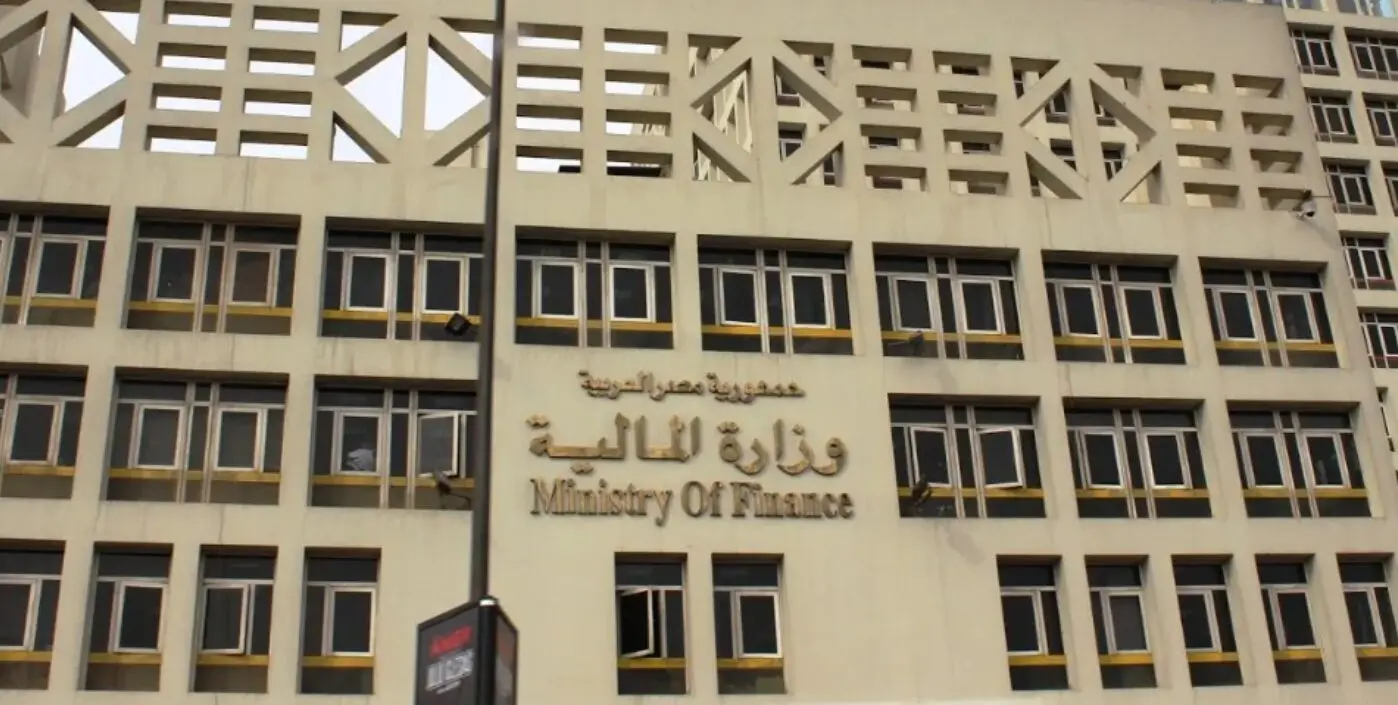
Egypt paid down 28 billion pounds, about 553 million dollars, of money owed to exporters in the 2025/26 fiscal year, a 55 percent increase on the year before, as the government works to clear a long-standing backlog of export-subsidy dues. Finance Minister Ahmed Kouchouk gave the figure on Tuesday at the first joint committee meeting between the finance ministry and the Egyptian Exporters Association.
The payments settle rebates owed under an export-support programme that has become a persistent source of friction between the state and exporters, who have complained for years about delays in receiving refunds that affect their cash flow. The government says it is now aiming to refund dues within three months of documentation and to clear all outstanding arrears within two years, and has disbursed about 70 billion pounds under the programme over six years.
| Indicator | Figure |
|---|---|
| Exporter arrears repaid, FY2025/26 | 28 billion pounds, about 553 million dollars |
| Change on prior year | plus 55 percent |
| Programme disbursements over six years | about 70 billion pounds |
| Refund target | within three months of documentation |
| Backlog-clearance target | within two years |
At about 553 million dollars, our calculation at the prevailing exchange rate, the year’s repayments are modest against Egypt’s wider accounts, but they equal roughly 40 percent of the some 70 billion pounds paid out under the programme over six years, our calculation, a measure of how sharply the pace has picked up. They also matter disproportionately to the exporters who receive them, freeing working capital that would otherwise be tied up waiting on the state.
Why it matters: Clearing arrears is a low-cost way for Egypt to support the exporters it is counting on to earn foreign currency and narrow a wide trade gap. Faster refunds improve competitiveness and cash flow for manufacturers at a time when the government has set an ambitious target of lifting exports toward 118 billion dollars by 2030. It also signals a more predictable relationship between the state and the private sector, the kind of reliability investors and the rating agencies watch.
Outlook: The test is whether the government holds to its three-month refund pledge and clears the remaining backlog on schedule, rather than letting arrears build again when budgets tighten. Sustained, timely payments would do more for export competitiveness than the headline figure suggests; a return to delays would quickly rebuild the mistrust the programme is meant to resolve.
Sources: Egyptian Ministry of Finance; Ahram Online.