Egypt Opens 14 Oil and Gas Blocks to International Bidders
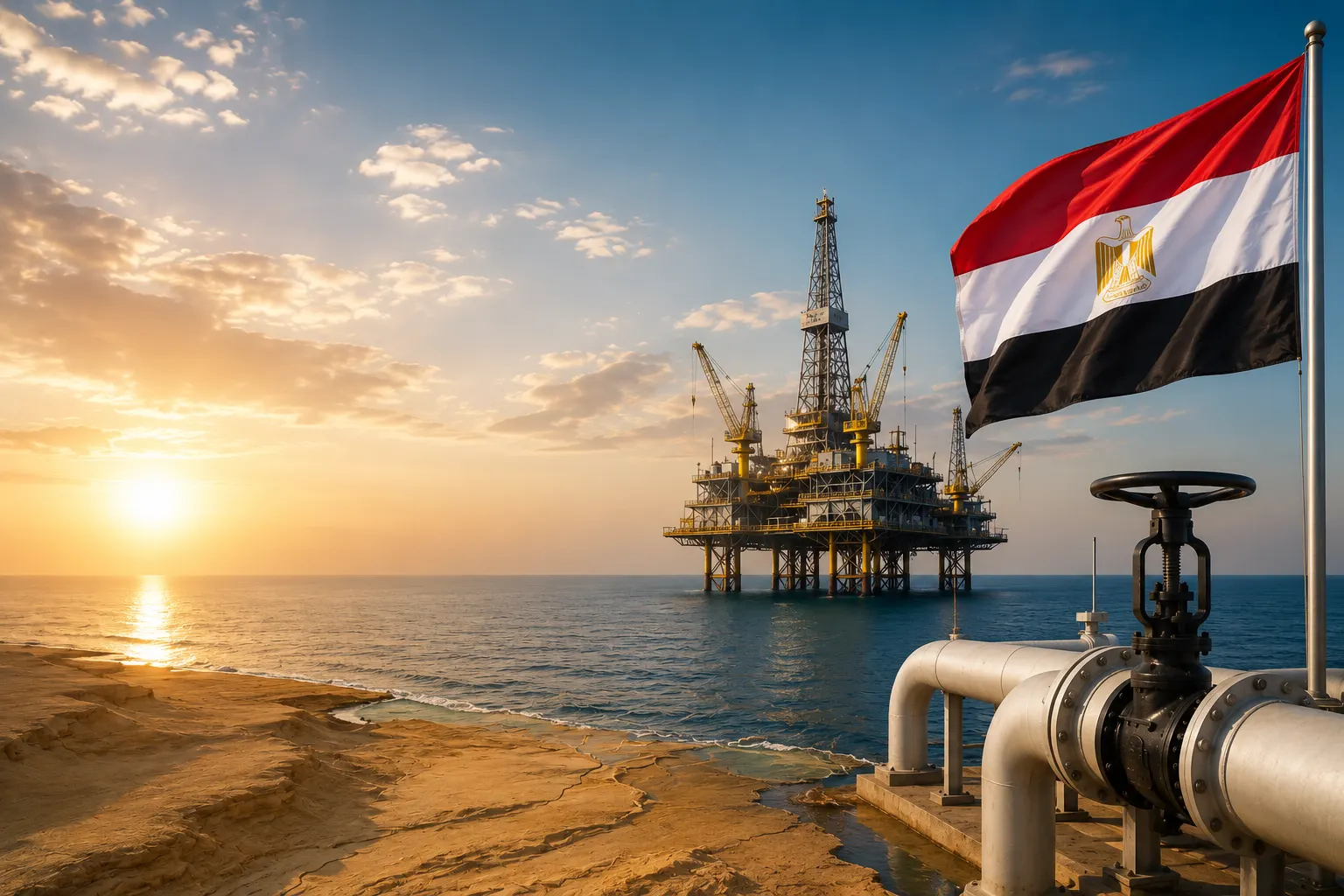
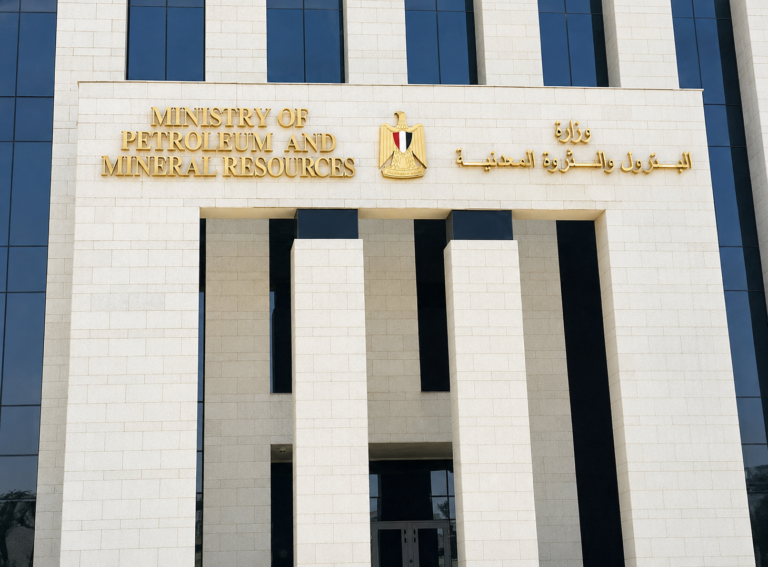
Egypt has opened fourteen areas to international bidding for oil and gas exploration, spanning the Mediterranean, the Nile Delta, North Sinai, the Gulf of Suez, Sinai and the Western Desert, as it seeks to attract new investment and lift domestic production, according to a statement by the Ministry of Petroleum and Mineral Resources as reported by regional financial media.
Eight of the areas belong to the Egyptian Natural Gas Holding Company, in the Mediterranean, the Nile Delta and North Sinai. The remaining six belong to the Egyptian General Petroleum Corporation, in the Gulf of Suez, Sinai and the Western Desert. The areas are offered digitally through the Egypt Upstream Gateway under production sharing terms, with technical data made available to investors before offers are received and assessed on technical and financial grounds.
| Operator | Areas | Regions |
| Egyptian Natural Gas Holding Company | 8 | Mediterranean, Nile Delta, North Sinai |
| Egyptian General Petroleum Corporation | 6 | Gulf of Suez, Sinai, Western Desert |
| Total | 14 |
Karim Badawi, the minister of petroleum and mineral resources, said a large number of the areas on offer sit close to existing fields and infrastructure, including pipelines, processing plants and export facilities, which would lower development costs and speed the connection of any new discoveries to production. He said the round aims both to increase the investment of international oil companies already working in Egypt and to attract companies entering the market for the first time.
Fifty seven companies currently work in petroleum exploration and production in Egypt, including eight of the largest international companies and six specialised Egyptian firms. More than twelve international companies work separately in petroleum services and technology.
The round comes as the government tries to arrest a decline in oil and gas output and reverse it, through incentives for foreign companies and faster exploration and field development work. Egypt is targeting crude oil and condensate production of around six hundred and twenty six thousand barrels a day by the end of the next fiscal year, from about five hundred and fifty thousand now, and natural gas output of four point three billion cubic feet a day from about three point eight billion, according to a government official.
Why it matters: The location of the acreage is the commercial argument, and the minister made it himself. Blocks adjacent to existing pipelines, processing plants and export terminals convert a discovery into cash flow far faster than frontier acreage, because the tie-in cost is a fraction of building out from nothing, and that shortens the payback period that international companies price when they bid. That matters more than usual for Egypt, because the country is importing energy to cover part of its needs, and domestic production displaces some of an import bill that is paid in foreign currency. How much relief that gives the external account depends on the fiscal terms of any award, since under production sharing a share of the output accrues to the contractor.
Looking ahead: The bidding period is the first test, and the measurable signal is not how many bids arrive but who submits them, since the stated aim is to bring in companies entering Egypt for the first time rather than simply to deepen commitments from the fifty seven already there. Awards and the terms attached to them would follow the technical and financial evaluation. Against the production targets, the relevant marker is whether crude and condensate output moves from about five hundred and fifty thousand barrels a day toward the stated six hundred and twenty six thousand.
Sources: Egyptian Ministry of Petroleum and Mineral Resources statement, as reported by regional financial media.