Egypt’s Parliament Approves a New Sovereign Fund as the Existing Fund Reports Over 90 Percent Asset Growth
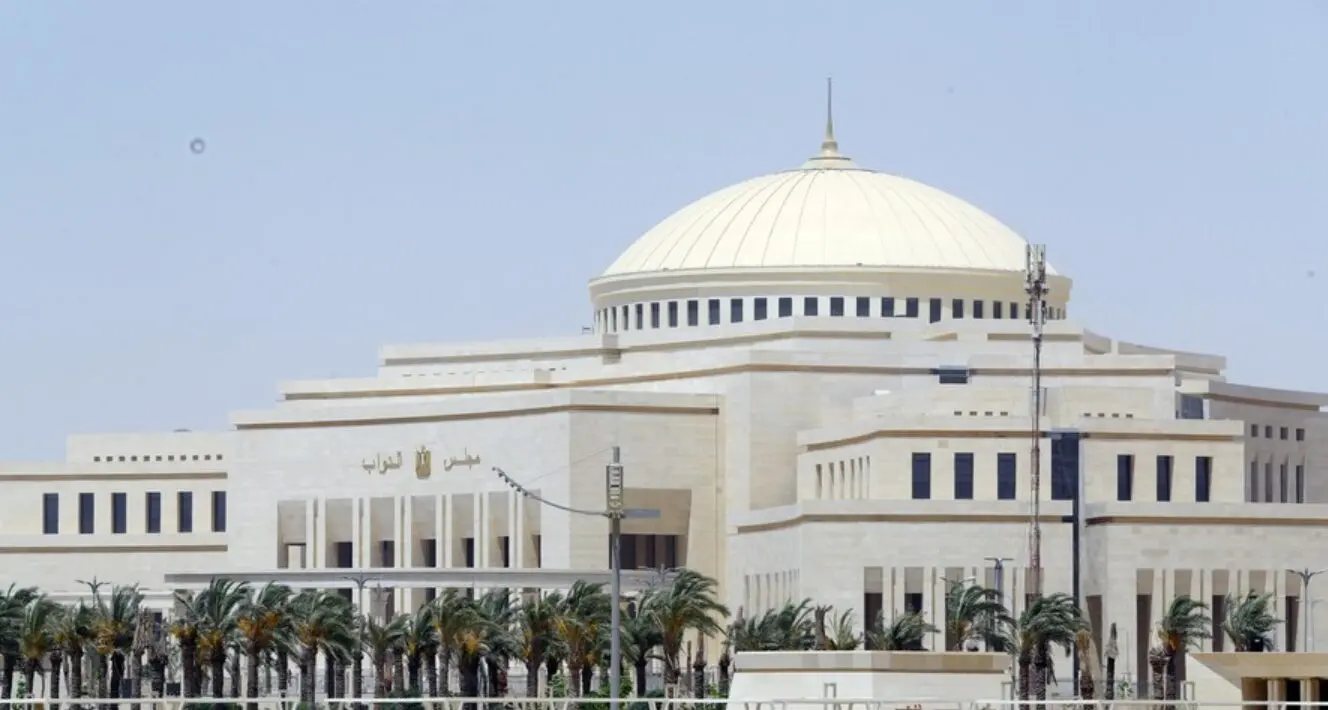
Egypt’s House of Representatives gave final approval on Tuesday to a law that restructures the state’s Future of Egypt Authority into an independent body and lets it set up a new sovereign investment fund, reported locally to be named Nile Pyramids, alongside a social-service fund. The law moves the authority, long supervised by the military, out from under the Defence Ministry and gives it administrative and financial independence.
The new fund would invest state-allocated assets and capital, at home and abroad, to earn long-term returns under recognised sovereign-fund standards, with its own legal personality. A separate service fund would support education, health, housing and infrastructure. Each fund has its own capital and revenue, drawn from investment returns, subsidiary profits, management fees, grants and loans, so the law does not make one automatically finance the other. The authority is also empowered to establish sustainable development zones, though the final law requires parliament to approve each one.
| Item | Detail |
|---|---|
| New sovereign investment fund | reported as Nile Pyramids |
| New social-service fund | reported as Daem |
| Future of Egypt Authority | made independent, moved out of the Defence Ministry |
| Sustainable development zones | each requires House of Representatives approval |
| Existing Sovereign Fund of Egypt | asset portfolio grew over 90 percent, 2023 to 2025 |
| New fund capital | to be valued at market prices, no figure fixed in law |
| Final parliamentary approval | 14 July 2026 |
The government framed the overhaul as a way to professionalise the management of state assets and to act as a partner to private investment rather than crowd it out, part of a broader push to draw capital into the economy. Egypt already operates the Sovereign Fund of Egypt, created in 2018; in January the fund reported that its asset portfolio had grown more than 90 percent between 2023 and 2025, though it did not attach an updated dollar value. The new vehicle adds a second, separate fund rather than replacing it. The law fixes no capital figure for the new fund, leaving its assets to be valued at market prices as they are transferred in, so its eventual size will depend on which state assets are moved into it rather than on a cash sum.
Why it matters: A second sovereign fund signals an intent to manage more of the state’s sprawling asset base as an investor rather than a bureaucracy, and to pair it with a fund earmarked for social spending, at a time when the government is leaning on foreign direct investment and privatisation to steady its finances. Making the authority independent and, the government argues, aligning it with international governance standards is meant to lift investor confidence; how independent and transparent it proves in practice will decide whether it does. The move also gives Egypt a dual-fund structure, raising the question of how the new fund and the older sovereign fund will divide roles.
Outlook: The markers are the fund’s initial capitalisation and the assets transferred into it, which the law leaves to be valued at market prices, and the executive regulations that will define how it operates. Whether the new architecture speeds up asset sales and partnerships, or simply adds a layer, will become clearer as the first assets are moved in.
Sources: House of Representatives; Ahram Online; State Information Service.