The EU Commits 200 Million Euros to Greenland and Proposes 530 Million More
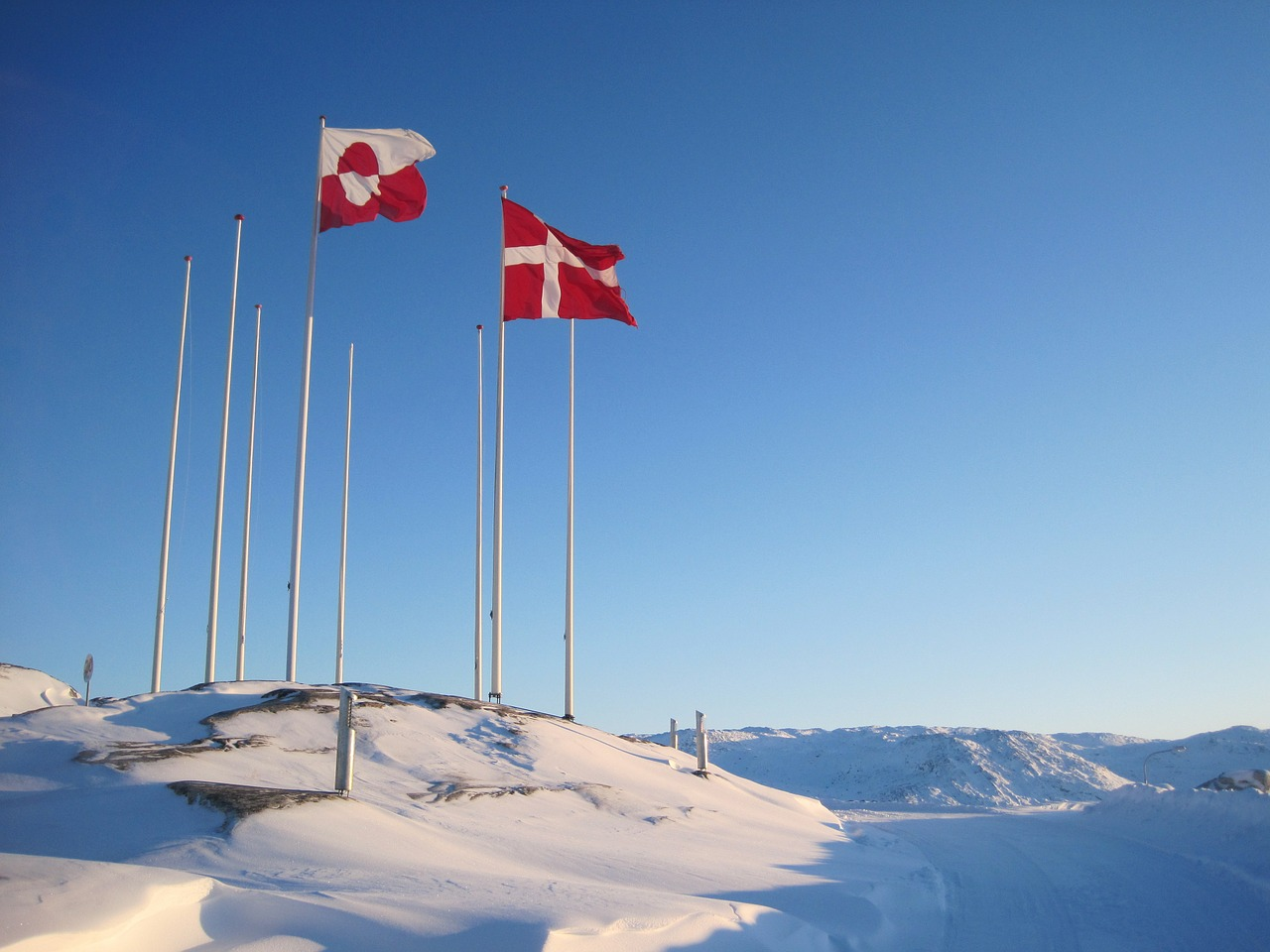
The European Commission announced a 200 million euro investment package for Greenland in Nuuk on Monday, to be spent this year and next. It also proposed 530 million euros for the territory in the budget cycle running from 2028 to 2034, against the 225 million allocated for 2021 to 2027, and described that as more than doubling current support.
One of those numbers is money. The other is a position in a negotiation that has not happened.
Committed, allocated, proposed
| Envelope | Million euros | Status |
|---|---|---|
| Global Gateway package, this year and next | 200 | Announced Monday |
| Current cycle, 2021 to 2027 | 225 | Allocated |
| Next cycle, 2028 to 2034 | 530 | Proposed |
Amounts as published by the Commission. The status column reflects its own wording; the 530 million sits inside the multiannual financial framework for 2028 to 2034, which member states have still to agree.
The 200 million runs at 100 million a year on our calculation, which is the fastest annual rate of the three and the only one that is committed. The 530 million works out at 75.7 million a year and the current 225 million at 32.1 million, so the proposal is 2.36 times the present envelope on either basis.
There is also money outside all three. Greenland remains eligible for Horizon Europe, the Connecting Europe Facility, Erasmus+, Creative Europe and InvestEU, and a separate fisheries protocol pays 17.3 million euros a year, of which 3.2 million supports the territory’s own sustainable fisheries strategy. Brussels describes Greenland as the largest recipient of EU support per capita among the overseas countries and territories.
What the package actually funds
The current 225 million is 90 percent education and 10 percent green growth. The new package is broader and its strands are named.
On raw materials, the announcement covers technical analysis and investor matchmaking, builds on the Malmbjerg mining project, and states that GreenRoc’s Amitsoq graphite project already holds status as an EU Strategic Project under the Critical Raw Materials Act. On connectivity, the Union is partnering with Tusass to expand satellite capacity through European providers over five years, with feasibility work on whether data centres are viable. On energy, it backs a Nukissiorfiit programme to decarbonise supply in remote settlements using hybrid renewables and is exploring an expansion of Buksefjord, described as the territory’s main hydropower facility. A programme management unit goes into the Greenland government, and the remainder is earmarked for tourism and housing.
All of it sits under a renewed joint declaration with Greenland and Denmark, building on one from 2015, whose listed areas run from education and training through raw materials, energy, connectivity and fisheries to civil protection and climate.
Why it matters: The headline figure is the one that has not been agreed, and the gap between the three envelopes is the whole of the story for anyone tracking what the territory can actually plan against. Two hundred million is spendable across two years. Five hundred and thirty million is a proposal inside a seven-year budget that member states have yet to negotiate, and proposals in that framework routinely change. The package that exists is smaller, shorter and already committed, and it is weighted toward infrastructure that takes longer than two years to build.
Outlook: The multiannual financial framework negotiation decides whether the 530 million survives, and that runs well beyond this year. Before then the measurable tests are narrower: whether the satellite capacity arrangement with Tusass is signed, whether the Amitsoq project reaches a financing decision, and whether the Buksefjord expansion moves from exploration to a costed proposal.
Sources: European Commission.