
Kuwait Amends Future Generations Fund Law to Allow Limited State Borrowing
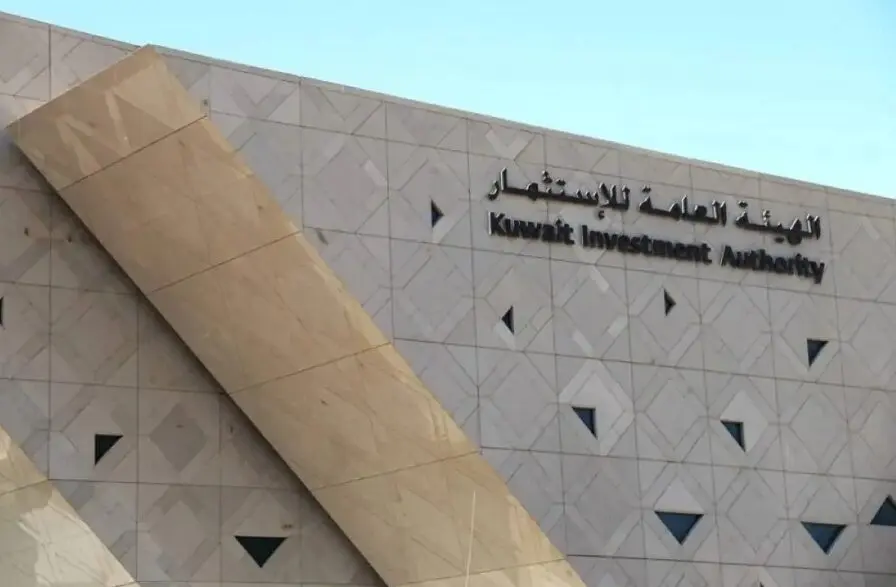
Kuwait’s government has issued a decree-law amending the 1976 legislation that governs the Future Generations Fund, creating a tightly capped and closely supervised channel for the state to borrow from the sovereign wealth fund to support its General Reserve Fund, or Treasury.
What the Decree Does
Bloomberg reported on September 1 that Kuwait’s government had issued a decree allowing it to borrow from its sovereign wealth fund, described as holding more than 1 trillion dollars in assets, in order to support state finances. The decree amends the 1976 law governing the Future Generations Fund, which is managed by the Kuwait Investment Authority, and the measure was proposed to support the General Reserve Fund, or Treasury, Bloomberg said.
On the same day, Kuwait’s state news agency KUNA reported that Finance Minister Dr. Yaqoub Al-Rifai and State Minister for Economic Affairs and Investment Abdulaziz Al-Marzouq briefed the Cabinet, chaired by Prime Minister Sheikh Ahmad Abdullah Al-Ahmad Al-Sabah, on the state’s financial position, and that ministers reviewed data on the General Reserve and the Reserve Fund for Future Generations, affirming what KUNA described as the resilience of Kuwait’s economy and the strength of its financial position. KUNA’s report did not name the decree or detail its borrowing mechanism.
On our reading, structuring the change as an amendment to standing law, rather than as a one-off drawdown approved through dedicated legislation, which has been the historical practice, points to Kuwaiti authorities building a repeatable borrowing channel rather than seeking a single exception.
Why it matters: The Future Generations Fund has historically been walled off from government spending, with withdrawals possible only through dedicated legislation. A standing mechanism for the Treasury to draw on the fund marks a shift in how Kuwait manages the relationship between its day to day budget and its long term savings. That timing follows the broader financial pressure Gulf economies have faced from the fallout of the US Iran war, per the same report.
Outlook: The practical significance of the amendment will depend on whether the Treasury actually draws on the new facility, and by how much. KUNA’s own reporting on September 1 addressed the state’s broader financial position without detailing the borrowing mechanism itself, so independent, on the record confirmation of the decree’s specific terms was not available at the time of writing. The Edge will continue to monitor for further KUNA coverage or reporting from an approved source that would allow those terms to be confirmed and reported.
Sources: Bloomberg; KUNA.