Kuwait Signs a Record 16 Billion Dollar Pipeline Partnership Under Project Peregrine
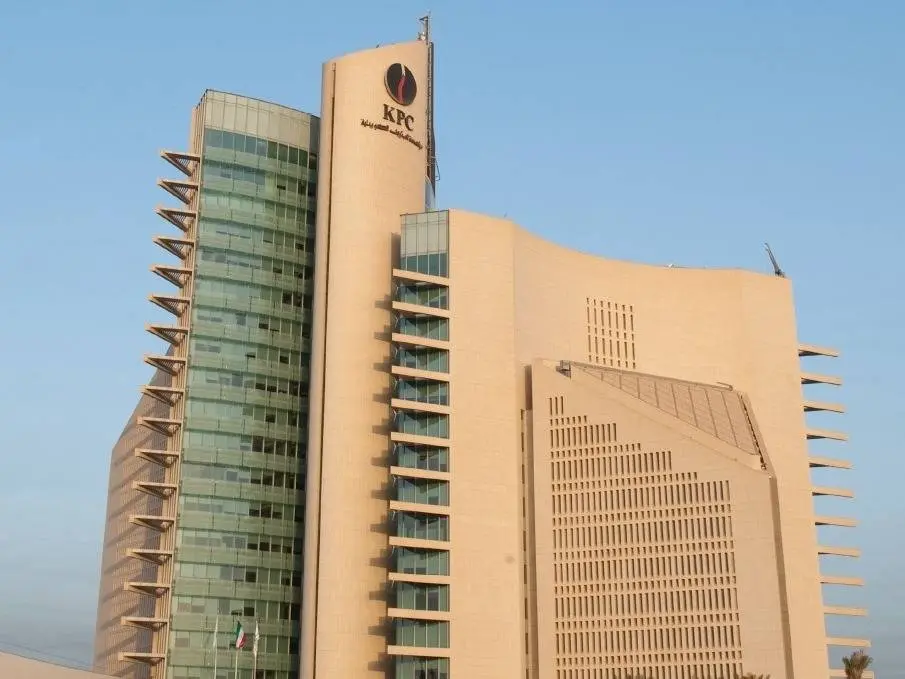
Kuwait Petroleum Corporation has announced the largest foreign direct investment in the country’s history, after its subsidiary Kuwait Oil Company signed a 16 billion dollar infrastructure partnership over the crude oil pipeline network that moves the country’s domestic and export oil. The transaction, named Project Peregrine, is structured as a lease and leaseback rather than a sale, allowing Kuwait to raise capital while keeping ownership and operational control of one of its most strategic energy assets.
Under the agreement, Kuwait Oil Company will set up a new Kuwaiti joint venture with a consortium of investment funds managed by Blackstone, Brookfield and KKR. The three investors will together hold 49 percent of the new company, in equal shares, while Kuwait Oil Company keeps a 51 percent majority stake along with full ownership and operational control of the pipeline system.
The partnership covers 13 crude oil pipelines running about 320 kilometres across Kuwait’s domestic and export network. Rather than transferring the physical assets, the joint venture acquires the usage rights to the network, which Kuwait Oil Company immediately leases back under an exclusive agreement of 20.5 years, paying a tariff linked to the volume of crude transported while continuing to operate, maintain and control the infrastructure.
Kuwait Petroleum Corporation said the transaction is expected to generate about 7.85 billion dollars in upfront proceeds once completed. The money will support its capital spending programme, including Kuwait’s target of raising crude production capacity to 4 million barrels a day by 2035. Sheikh Nawaf Saud Al Sabah, Deputy Chairman and Chief Executive of Kuwait Petroleum Corporation, described the agreement as a landmark transaction and a sign of international investor confidence in Kuwait despite regional uncertainty.
Key terms of the transaction
| Metric | Figure |
|---|---|
| Total transaction value | 16.0 billion dollars |
| Expected upfront proceeds | About 7.85 billion dollars |
| Consortium stake in the joint venture | 49 percent |
| Kuwait Oil Company stake | 51 percent |
| Lease term | 20.5 years |
| Pipelines covered | 13 |
| Total pipeline length | About 320 kilometres |
| Production capacity target | 4 million barrels a day by 2035 |
Figures are from Kuwait Petroleum Corporation’s announcement of the transaction.
The numbers behind the deal
The transaction is notable less for its headline value than for its structure. On our calculation, the roughly 7.85 billion dollars of upfront proceeds is equivalent to about 49 percent of the 16 billion dollar headline value, with the balance accruing to the investors as tariff income over the life of the lease. Measured against the length of the network, the headline value implies a price of about 50 million dollars for each kilometre of pipeline, or an average of roughly 1.23 billion dollars for each of the 13 lines, on our calculation, though the individual pipelines will differ by diameter, throughput and strategic importance. These figures are our own reading of the announced numbers and are meant only to illustrate the scale of the deal.
A monetisation, not a privatisation
The structure is what sets the deal apart from a conventional asset sale. Kuwait keeps ownership of the physical pipelines, together with their operation and maintenance, control over production and refinery throughput, and sovereign authority over energy policy. What the investors acquire is a long term, tariff based claim on the cash flows the network generates, rather than a stake in Kuwait’s oil sector itself. In effect, the country converts a mature operating asset into immediate investment capital without ceding control of strategic national infrastructure, which is the central purpose of an infrastructure monetisation of this kind.
Why it matters: Project Peregrine follows a wider trend among Gulf energy producers, including Saudi Aramco, ADNOC and Bahrain’s Bapco Energies, of monetising mature infrastructure through leaseback structures while keeping state control. For Kuwait the deal is a milestone on several counts. It is the largest foreign direct investment the country has completed, and the first large deployment of long term institutional capital into its midstream oil infrastructure. It broadens international participation in the energy sector without privatisation, and it provides substantial funding for the upstream investment Kuwait needs as it works toward its 2035 capacity target. For Kuwaiti and other Gulf investors, an agreement of this scale, drawing three of the world’s largest alternative asset managers into the country, is a constructive signal of confidence in Kuwait’s long term energy strategy.
Outlook: The immediate test is completion, after which the upfront proceeds are expected to flow. Beyond that, the deal establishes a template Kuwait could repeat across other infrastructure, and its success in attracting long term capital on competitive terms will shape how far the country leans on such structures to fund its investment programme. Much will depend on the crude transportation volumes that underpin the tariff the joint venture earns, and on the pace of the upstream expansion the proceeds are intended to support.
Sources: Kuwait Petroleum Corporation and Kuwait Oil Company, official announcement; Reuters.