Samsung and Broadcom Sign a Chip Pact Worth Over 200 Billion Dollars to 2030
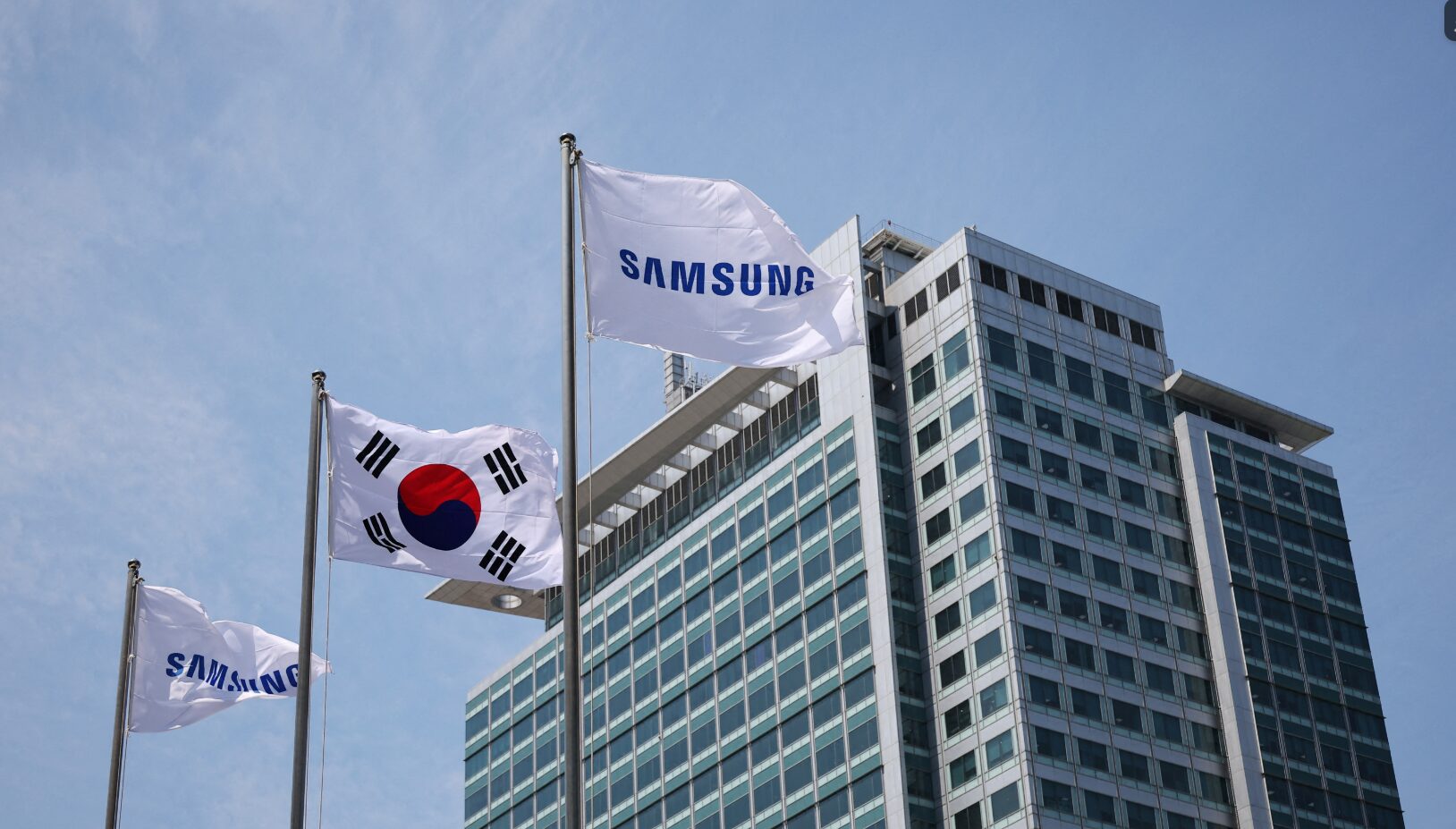
Samsung Electronics and Broadcom have signed a memorandum of understanding to expand their collaboration across memory and foundry technologies, a partnership the two companies estimate at more than 200 billion dollars over the next five years through 2030, in one of the largest commitments yet tied to the build out of artificial intelligence infrastructure. The agreement, announced on 25 July 2026, is a significant boost for Samsung’s contract chip making business as it competes with the market leader, Taiwan’s TSMC.
The collaboration is broader than a simple supply arrangement. Samsung will act as the contract manufacturer, or foundry, for Broadcom’s custom artificial intelligence chips, including on Samsung’s most advanced processes at two nanometres and below, and the two firms will also cooperate on high bandwidth memory and advanced chip packaging. Samsung’s foundry unit, which makes chips to other companies’ designs, is the main beneficiary. Because the agreement is a memorandum of understanding rather than a fixed order, the companies did not disclose an annual breakdown of the figure or a specific manufacturing site.
The scale stands out. At an estimated more than 200 billion dollars over roughly five years, it is many times larger than the 16.5 billion dollar foundry agreement Samsung signed with Tesla in 2025, and it lands amid a wave of large artificial intelligence supply commitments across the chip industry. It should be kept separate from other deals announced around the same time, including a reported memory agreement between Nvidia and SK Hynix.
Why it matters: The agreement underscores how the economics of the technology sector are increasingly built around the supply of specialised chips for artificial intelligence, and it strengthens Samsung’s position in the contest with TSMC to manufacture the most advanced processors. For Gulf investors and sovereign funds, which hold substantial technology exposure and are themselves investing in artificial intelligence and data centre capacity, the deal is a further signal of the capital now flowing into the chip supply chain that underpins the wider artificial intelligence economy.
Outlook: Because the figure is an estimate through 2030 rather than a firm order, its ultimate size will depend on how much Broadcom manufacturing Samsung wins and on demand for artificial intelligence chips holding up. If realised, the collaboration would materially lift Samsung’s foundry revenue and narrow the gap to TSMC, while reinforcing a concentration of advanced chip making in a small number of suppliers.
Sources: Samsung Electronics; Reuters; Bloomberg.