OPEC Lowers 2026 Oil Demand Growth Forecast to 970,000 b/d in Second Consecutive Cut
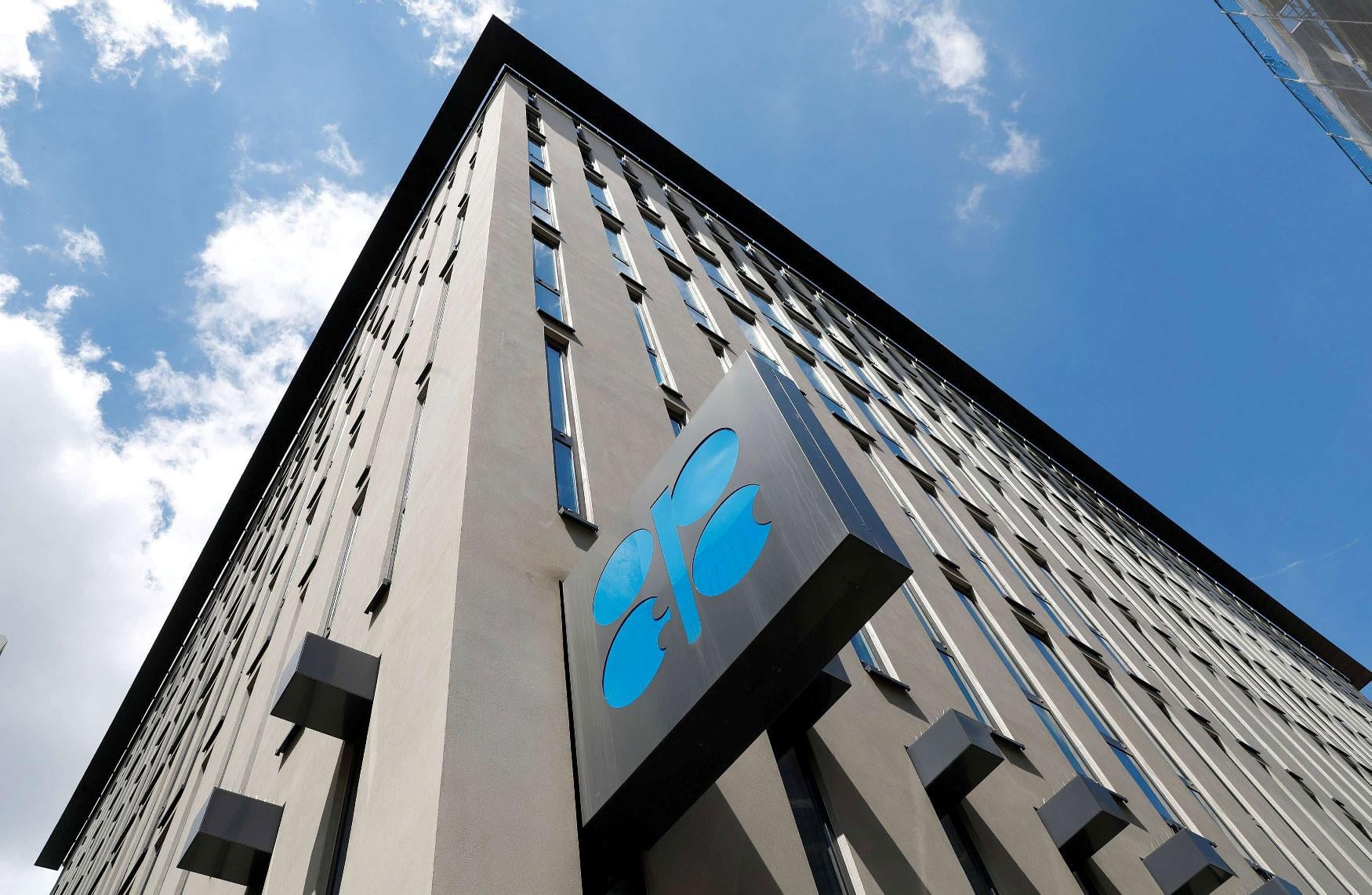
OPEC has lowered its forecast for global oil demand growth in 2026 to 970,000 barrels per day, down from 1.17 million b/d in last month’s assessment, according to the organisation’s Monthly Oil Market Report published on Thursday, 11 June 2026. It is the second consecutive monthly downgrade, taking the projection below the one million barrel threshold for the first time this cycle.
The revision is concentrated in Asia and the Middle East. OPEC trimmed its estimate of Indian demand growth by 60,000 b/d, while Middle East consumption is now projected to decline by 40,000 b/d this year. The report estimates that demand in the Middle East in March, the first month of the current regional disruptions, ran about 500,000 b/d below its level a year earlier, reflecting constrained shipping, elevated freight and insurance costs, and softer regional activity.
A Demand Story Diverging From a Supply Story
The downgrade lands in a market where supply-side tightness has dominated headlines. Disruptions to traffic through the Strait of Hormuz have reshaped Gulf export logistics, with producers adapting routing and cargo handling to keep flows moving toward Asian buyers. United States commercial crude inventories have drawn down to about 5 percent below their five-year seasonal average, according to the Energy Information Administration.
OPEC’s message is that the same disruptions supporting prices on the supply side are simultaneously eroding consumption. Higher delivered energy costs, slower regional trade, and reduced air traffic across parts of the Middle East all feed into weaker demand growth.
2027 Projection Raised
The cut to 2026 comes alongside an upgrade further out: OPEC now projects demand to grow by 1.73 million b/d in 2027, up from 1.54 million b/d in last month’s report. The implied profile is a year of disruption-dampened consumption followed by a catch-up as logistics normalise, an assumption that depends on the pace at which regional transit conditions recover.
Non-OECD economies continue to account for the overwhelming share of projected growth, with OECD demand broadly flat. The organisation’s production data also show output from OPEC+ members declining, reflecting both the agreed production framework and disruption-related constraints on some members’ export capacity.
What It Means for the Market Balance
The June report describes a market in which physical balances are tightening for supply reasons rather than demand strength. For Gulf producers, the near-term revenue picture remains supported by elevated prices. The more consequential question is 2027, where OPEC’s raised growth forecast assumes normalisation that remains tied to regional conditions. The next test arrives with the July report: a third consecutive downgrade would signal the disruption effect on consumption is deepening, while a stabilisation would suggest it has found its floor.
Sources: OPEC Monthly Oil Market Report, June 2026; US Energy Information Administration.