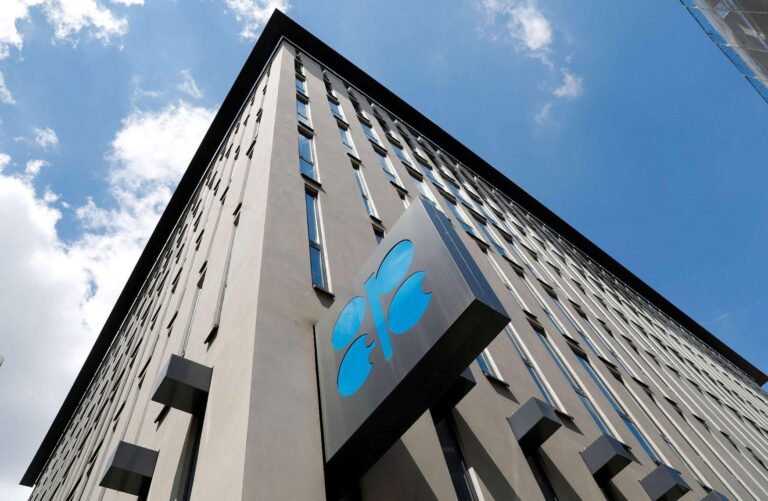
OPEC+ Approves 188,000 Barrel a Day September Increase as Sources Signal Q4 Pause
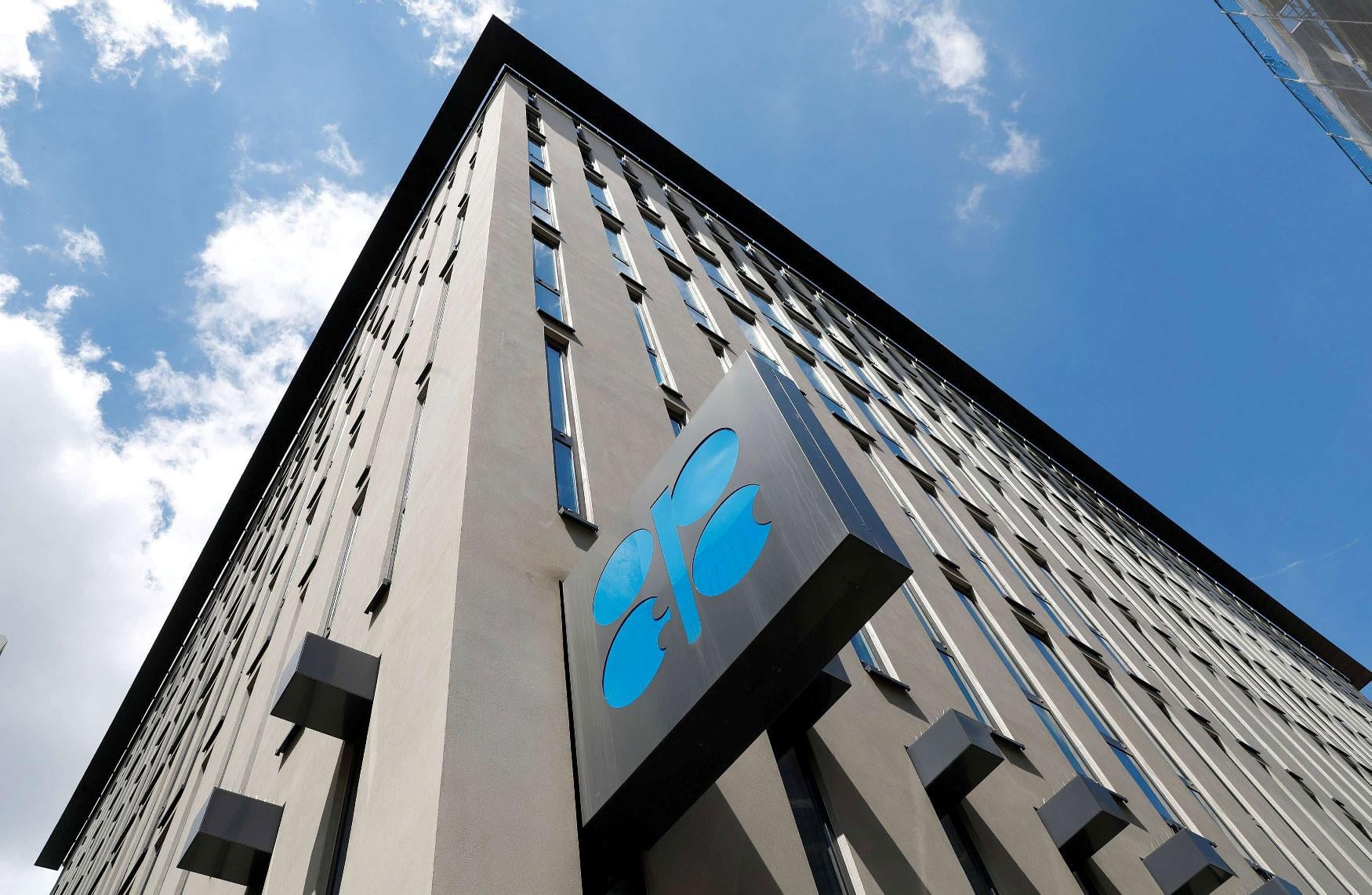
Seven OPEC+ countries approved a combined increase of 188,000 barrels a day in their oil production targets from September, completing the phased return of the voluntary supply cuts announced in April 2023.
Saudi Arabia, Russia, Iraq, Kuwait, Kazakhstan, Algeria and Oman agreed on the adjustment during a virtual meeting on Sunday, 2 August. OPEC said the countries would continue meeting monthly to assess market conditions, with their next meeting scheduled for 6 September.
Reuters reported before the meeting that delegates expected the seven producers to pause further increases for the remainder of 2026. That pause was not formally confirmed in Sunday’s communique, however, meaning any fourth quarter freeze remains an expectation rather than an announced policy decision.
The September adjustment will be the sixth consecutive monthly target increase. The sequence began with increases of about 206,000 barrels a day for April and May, followed by increases of about 188,000 barrels a day for June, July, August and September. It follows three smaller steps of about 137,000 barrels a day implemented in October, November and December 2025, before increases were paused during the first quarter of 2026.
The participating countries are the members responsible for managing this tranche of additional voluntary adjustments. The United Arab Emirates, which was part of the original eight country arrangement, formally withdrew from both OPEC and OPEC+ on 1 May 2026 after reviewing its production policy, capacity and broader energy strategy.
The September increase completes the phased rollback of about 1.65 million barrels a day of voluntary cuts first announced in 2023, adjusted following the UAE’s departure. Roughly 2 million barrels a day of older OPEC+ reductions dating from 2022 would remain in place, according to Reuters.
Targets remain ahead of physical supply
The increase in production allowances does not necessarily mean another 188,000 barrels a day will immediately reach the market. Much of the recent rise in targets has stayed on paper because conflict and infrastructure disruptions have constrained exports from the Gulf, Russia and Kazakhstan.
For Saudi Arabia, Kuwait and Iraq, the speed at which additional production can be exported depends heavily on the continued recovery of tanker traffic through the Strait of Hormuz. Regional flows have improved from the most disrupted periods of the US-Iran conflict, but shipping risks, insurance costs and intermittent security incidents continue to restrict the physical movement of crude.
The seven countries also reiterated their commitment to compensate for production above agreed levels since January 2024. This means headline quota increases may be partly offset by compensation reductions required from members that previously exceeded their targets.
Why it matters
For Gulf producers, the decision balances the benefits of recovering export volumes against the risk that a rapid return of supply could weaken prices as regional shipping conditions normalise.
The increase is modest relative to global consumption, but its importance lies in the signal it sends. The seven producers are completing the return of one layer of voluntary cuts while retaining older restrictions and continuing to review actual production capacity.
For Kuwait and neighbouring oil exporters, higher production supports revenue only when additional barrels can be shipped and when the resulting supply does not place excessive downward pressure on prices. A likely fourth quarter pause would give the group time to assess that balance before determining its next supply strategy.
The capacity review is also economically important. Its findings will help establish the production baselines used for 2027, with countries including Iraq seeking higher individual allocations to reflect investment and claimed increases in sustainable capacity.
Outlook
Attention now turns to the seven countries’ next meeting on 6 September. That meeting will indicate whether the expected fourth quarter pause has become formal policy or whether market conditions warrant another adjustment.
The immediate market impact will depend less on the announced target than on how much additional crude is physically produced and exported. Hormuz shipping conditions, compensation requirements, Russian and Kazakh export constraints, global demand and inventory trends will determine whether the September decision results in a meaningful increase in available supply.
Beyond 2026, negotiations over new capacity based production baselines are likely to be more difficult than the monthly adjustments. Their outcome will determine how the remaining roughly 2 million barrels a day of older cuts are eventually distributed and returned.
Sources: OPEC; Reuters; Bloomberg; Emirates News Agency.