Syria Says More Than 95% of Old Currency Replaced as Final Window Opens
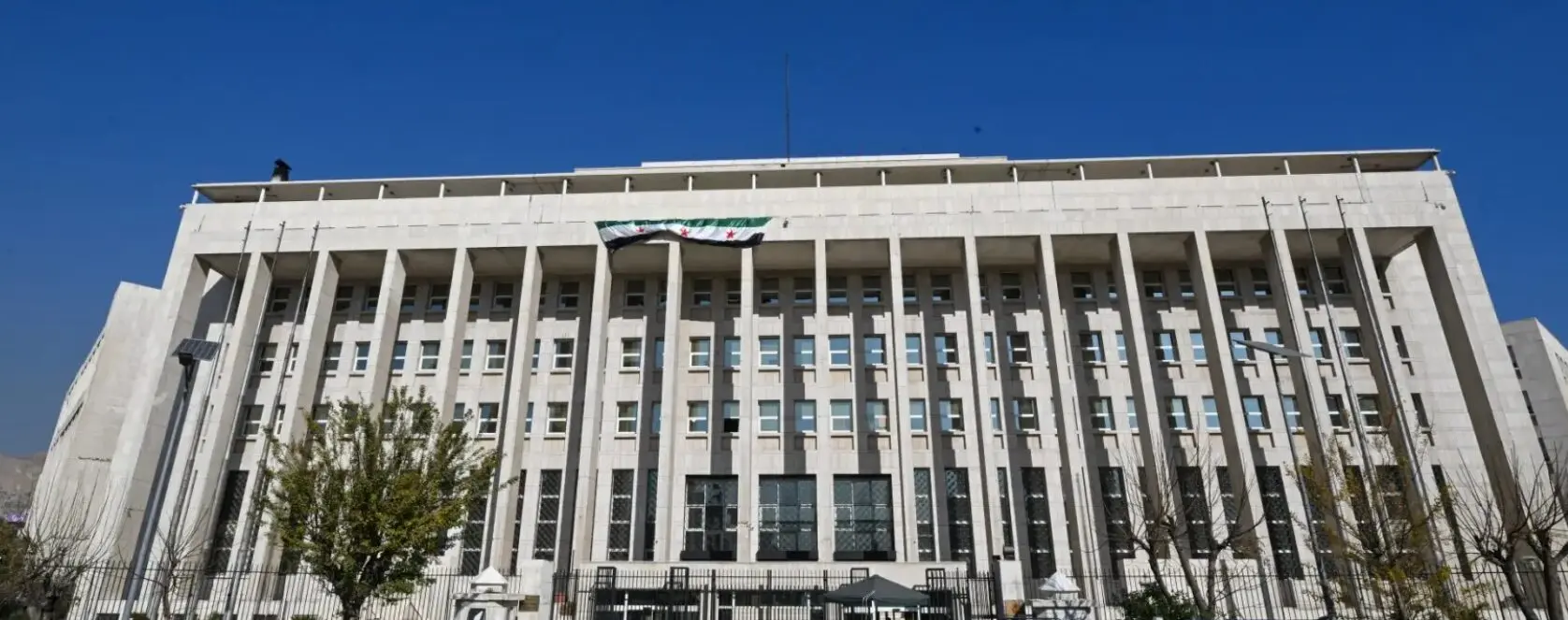
The Central Bank of Syria said on Sunday that, according to preliminary estimates, the overall replacement rate of the old Syrian pound had exceeded 95 per cent of the total monetary mass over the exchange period, and opened a final one-week counter window before redemption narrows to a single office in Damascus.
The old banknotes ceased to be legal tender on 31 July 2026, the exchange deadline having expired the previous day. Holders who missed it may present notes from Sunday 2 August to Thursday 6 August at any public or private bank, and at branches of the Syrian Post Establishment, in every governorate.
After 6 August the process becomes materially harder. Withdrawal of the old currency continues for five years, but through the central bank in Damascus alone. Applications are submitted and appointments booked through a dedicated online portal; the minimum submission is 100 banknotes of any denomination; and after checking and approval the value due is transferred to a nominated bank account in the new Syrian pound rather than paid across a counter. No commissions, fees, taxes or expenses are charged at any stage.
How the exchange progressed
| Date | Reported share replaced | Attributed to |
|---|---|---|
| 3 May 2026 | 56 per cent, with daily inflows of 12–13 billion Syrian pounds | Governor Abdulkader Husrieh |
| 31 May 2026 | More than 63 per cent | Governor Mohammed Safwat Raslan |
| 2 August 2026 | More than 95 per cent of the total monetary mass, on preliminary estimates | Central Bank of Syria statement |
The deadline was extended twice, first to 30 June and then to 30 July, which is why earlier published cut-off dates conflict. The governorship also changed between the May and the June milestones, so the series is not one official’s running commentary on a single measure.
Why it matters: A currency replacement of this scale is a test of whether a monetary authority can reach the cash economy at all. A replacement rate above 95 per cent of the old monetary mass implies the banking and postal network functioned as a collection channel far beyond the formal account-holding population. Two qualifications belong with the number. It is described by the central bank as preliminary, and it is measured against the stock of old currency rather than against any broader measure of money. What follows the grace window matters more than the headline share: a five-year tail restricted to one institution in Damascus, with a 100-note minimum and settlement into a bank account rather than in cash, sets a real access cost for small holders and for those furthest from the capital.
Outlook: The residual is the figure to watch. Some of it is notes held outside the country, some is hoarded cash whose holders will not present it, and some is simply lost. The central bank has not published a target for how much of the remainder it expects to recover during the five-year tail, nor an estimate of the monetary effect of notes that are never returned. Nor has it said when the preliminary estimate will be replaced by a final count.
Sources: Syrian Arab News Agency (SANA), 2 August 2026; SANA, 26 July 2026; SANA, 31 May 2026; SANA, 3 May 2026; Central Bank of Syria.