Trump Waives 500 Percent Russia Tariff as Lukoil Fuel Station Licence Runs to April 2027
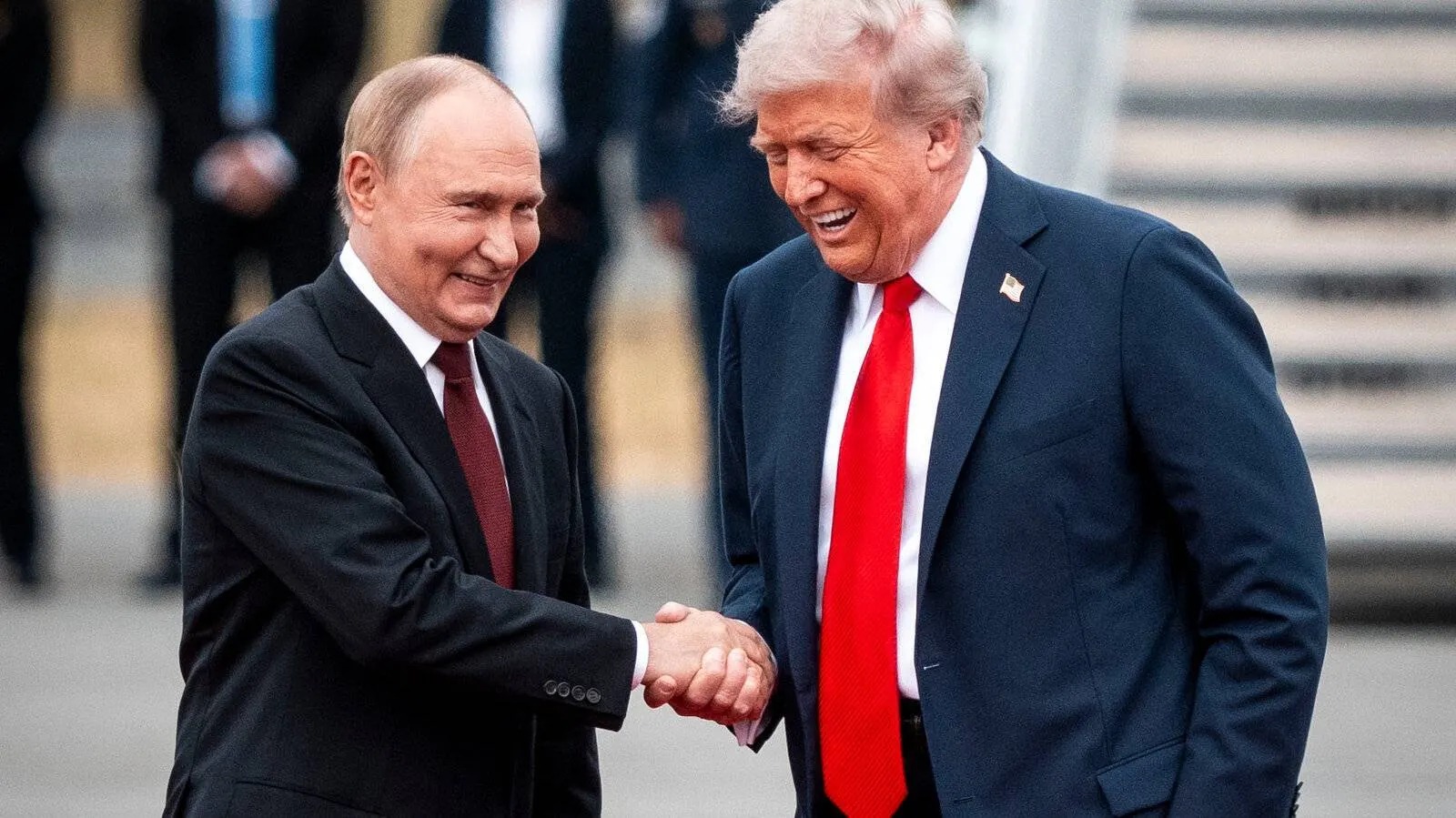
President Donald Trump on 16 October signed an order implementing the Lindsey O. Graham Sanctioning Russia and Iran Act of 2026 that sets a 500 percent ad valorem increase in the duty on goods from Russia and a 100 percent increase on goods from the 5 largest importers of Russian crude oil and natural gas, then waives both in the same text, 2 days before the second duty was due to apply to countries knowingly making new purchases on or after 18 October. A day earlier the Treasury’s Office of Foreign Assets Control (OFAC) issued General License 128D, extending the authorisation for transactions with Lukoil’s retail fuel stations outside Russia from 29 October 2026 to 24 April 2027, 177 days longer on our calculation.
What the order switches off, and what it leaves alone
The order first sets the tariffs and then waives them in the same document. Section 2 sets a 500 percent increase on Russian goods, a 100 percent increase on goods from the top 5 buyers of Russian crude and gas that knowingly make new purchases on or after 18 October, and a 100 percent increase on goods from the top 5 facilitators of Russian oil sanctions evasion. Section 4 then waives any duties provided for in sections 112 and 113 of the Act or in the order itself, and waives sections 102(a), 102(d), 102(e), 103 to 111 and 117 of the Act. In waiving the duties, the order states that the President has submitted to Congress a certification that the waiver is in the national interests of the United States and a report explaining the basis for it, the 2 conditions to which section 115 of the Act makes a waiver subject. On our count the waivers, issued 28 days after the President signed the Act into law on 18 September, cover 15 specified statutory provisions.
The scale of what was avoided is plain from the arithmetic. A 500 percent ad valorem duty on a 1,000 dollar consignment of Russian goods would have come to 5,000 dollars, taking goods plus duty to 6,000 dollars before existing duties, freight and other costs, on our calculation, and the order states that its increases would have stacked on top of existing duties, including those under section 232 and section 301. A 100 percent duty on a 1,000 dollar consignment from one of the targeted countries would have added 1,000 dollars, taking goods plus duty to 2,000 dollars before existing duties, freight and other costs, on our calculation. For the 5 largest buyers of Russian crude and gas, the 100 percent increase would have fallen on all their goods entering the United States once they knowingly made new purchases from 18 October.
What the 16 October order waives
| Measure | Rate or scope | Status |
|---|---|---|
| Goods from Russia | +500% ad valorem | Waived |
| Top 5 importers of Russian crude and gas, new buying from 18 Oct | +100% ad valorem | Waived |
| Top 5 facilitators of Russian oil sanctions evasion | +100% ad valorem | Waived |
| Act sections 102(a), 102(d), 102(e), 103 to 111 and 117 | As listed in sections 4(b) and 4(c) | Waived |
| Russia sanctions under the national emergency executive orders | All persons sanctioned under them | Unaffected |
Rates and section numbers as set out in sections 2 and 4 of the executive order of 16 October 2026. The waivers run until the President or the Secretary of State, after the consultation the order specifies, decides further action is appropriate.
The waiver is not a lifting of the existing Russia sanctions regime. Section 4(b) says nothing in the order affects sanctions under the executive orders issued for the Russia-related national emergency that the President continued on 24 March 2026, including all persons sanctioned under them. Section 3 also tasks the Trade Representative with monitoring purchases of Russian-origin crude and gas and the facilitation of sanctions evasion, and with informing the President of anything indicating the need for further action, including with respect to the waivers.
Lukoil: fuel stations to April, the wider licence to 22 October
Rosneft and Lukoil, which the US announcement described as Russia’s 2 largest oil companies, were designated on 22 October 2025. The 15 October licences are carve-outs from that block, and narrower than a general extension. General License 128D covers transactions involving Lukoil International GmbH and entities in which it owns 50 percent or more, including Lukoil North America and Lukoil Americas, but only where they are ordinarily incident to purchases of goods and services from, or the maintenance, operation or wind down of, physical retail service stations outside Russia. General License 130B covers 4 named entities in Bulgaria, Lukoil Neftohim Burgas, Lukoil Bulgaria, Lukoil Aviation Bulgaria and Lukoil Bulgaria Bunker, and their 50 percent owned entities. Both run until 24 April 2027, and both extend licences, General Licenses 128C and 130A, that ran until 29 October 2026, so the extensions came 14 days before the earlier deadline, on our calculation.
The broader licence is on a much shorter fuse. General License 131J, dated 18 September, authorises the negotiation of and entry into contracts for the sale of Lukoil International entities, provided the performance of each contract is expressly contingent on a separate authorisation from the sanctions office, together with the maintenance and wind down of those entities’ operations, and it runs only until 22 October 2026, the end date the office’s guidance updated on 15 October also gives. Its guidance updated on 18 September states that 131J does not authorise the actual sale, disposition or transfer of any of those entities or their assets. The 22 October end falls exactly 1 year after the designation and 7 days after the 15 October action, on our calculation. The 15 October guidance traces the wind down authorisation through 10 versions on our count, from General License 131A, issued on 10 December 2025, to 131J, 316 days from 131A’s issue to 131J’s 22 October end on our calculation. The retail authorisation, traced in the same guidance from 128B on 4 December 2025 through 128C to 128D, spans 506 days from 128B’s issue to 24 April 2027 on our calculation.
Lukoil licences after the 15 October action
| Licence | Covers | Runs until |
|---|---|---|
| GL 128D | Lukoil retail service stations outside Russia | 24 Apr 2027 |
| GL 130B | 4 named Lukoil entities in Bulgaria | 24 Apr 2027 |
| GL 131J | Sale negotiations and contingent contracts for Lukoil International, plus maintenance and wind down | 22 Oct 2026 |
Terms from the licence texts dated 15 October 2026 (128D, 130B) and 18 September 2026 (131J), and OFAC FAQs 1224 and 1225. GL 128D and GL 130B extend GL 128C and GL 130A, both dated 14 April 2026 and both running until 29 October 2026. GL 128D does not authorise any transfer of funds to a person or account in Russia.
Under 128D and 131J, the 15 October guidance counts the supply of motor fuel and lubricants, lease payments, employee payroll and payments to suppliers, landlords and lenders among ordinary course transactions, and it is explicit that no funds may be transferred to a person or account in Russia.
Diesel in the same month
The order and the licences came in a month of US measures on diesel. On 5 October the President ordered a determination of whether tax relief is authorised by law and, if it is, a deferral of payment of federal tax on diesel fuel incurred from 5 October to 31 December, an 88-day window on our count, stating that “restricted global diesel supply has led to rising prices”. On 9 October the sanctions office issued General License 135 for the sale, delivery and importation of Russian-origin diesel, covered here on 10 October. On 14 October the IRS said it will not impose a penalty when dyed diesel, normally untaxed because it is destined for exempt uses such as farming, is sold for use or used on highways, with the relief retroactive to 1 October and in effect until 31 December 2026, and that it expects to issue further guidance on postponing payment of the tax. The Lukoil licences and the tariff waiver followed on 15 and 16 October.
Friday’s futures settlements put a number on the gap between the diesel and crude benchmarks, a spread between 2 contracts rather than a refining margin. Heating oil, the NYMEX ULSD contract, settled at 4.8991 dollars a gallon, which at 42 gallons to the barrel puts it 95.90 dollars a barrel and 87.3 percent above Brent on our calculation. It also stood 51.4 percent, or 1.66 dollars a gallon, above gasoline, on the same calculation. The spread over Brent narrowed slightly on the day because crude moved faster: Brent rose 3.72 percent to 109.86 dollars a barrel against 1.10 percent for heating oil, so the gap over Brent came in by 1.69 dollars a barrel from Thursday. Brent has added 5.58 dollars a barrel, or 5.35 percent on our calculation, since its 8 October settlement, the day before the diesel licence.
Fuel settlements around the 2 actions
| Contract | 15 Oct | 16 Oct |
|---|---|---|
| Brent (Dec), $ a barrel | $105.92 | $109.86 |
| WTI (Nov), $ a barrel | $97.97 | $101.41 |
| Heating oil ULSD, NYMEX, $ a gallon | $4.8456 | $4.8991 |
| Gasoline RBOB, $ a gallon | $3.1802 | $3.2354 |
| Heating oil over Brent, $ a barrel | $97.60 | $95.90 |
Settlements as published in The Edge’s Commodities Wraps of 15 and 16 October. The last line is our calculation, heating oil converted at 42 gallons a barrel less the Brent settlement.
Friday’s crude move is reported as a price change, not as a reaction to the order. The order sets the rates and waives them in the same document, and the duty aimed at buyers of Russian crude was written to apply only to new purchases from 18 October.
Why it matters: For the United States, the order takes off the table, before either took effect, a 500 percent duty on Russian goods that on our calculation would have taken goods plus duty to 6 times their value before existing duties and other costs, and a 100 percent duty that would have taken goods plus duty to 2 times the value of goods from the 5 largest importers of Russian crude and gas once they knowingly made new purchases. The licences keep transactions with Lukoil’s retail stations outside Russia and its 4 Bulgarian entities authorised until 24 April 2027, and the retail licence bars any transfer of funds to a person or account in Russia. On our calculation diesel futures settled 87.3 percent above Brent on Friday, in a month in which the President has directed a conditional deferral of federal tax on diesel fuel and the IRS has said it will not penalise dyed diesel used on highways.
Outlook: The next date is 22 October, when General License 131J, the licence covering sale negotiations, contingent contracts and wind down across Lukoil International, reaches its stated end unless renewed. The retail and Bulgarian licences run until 24 April 2027. The waivers remain in effect until the President or the Secretary of State, in consultation with the Secretary of the Treasury and the Trade Representative, determines that further action is appropriate, with the Trade Representative reporting on Russian crude and gas purchases in the meantime.
Sources: White House, US Treasury, IRS, The Edge.