Bureau of Labor Statistics: U.S. Annual Inflation Accelerates to 4.2% in May 2026, Driven by Sustained Energy Price Surge
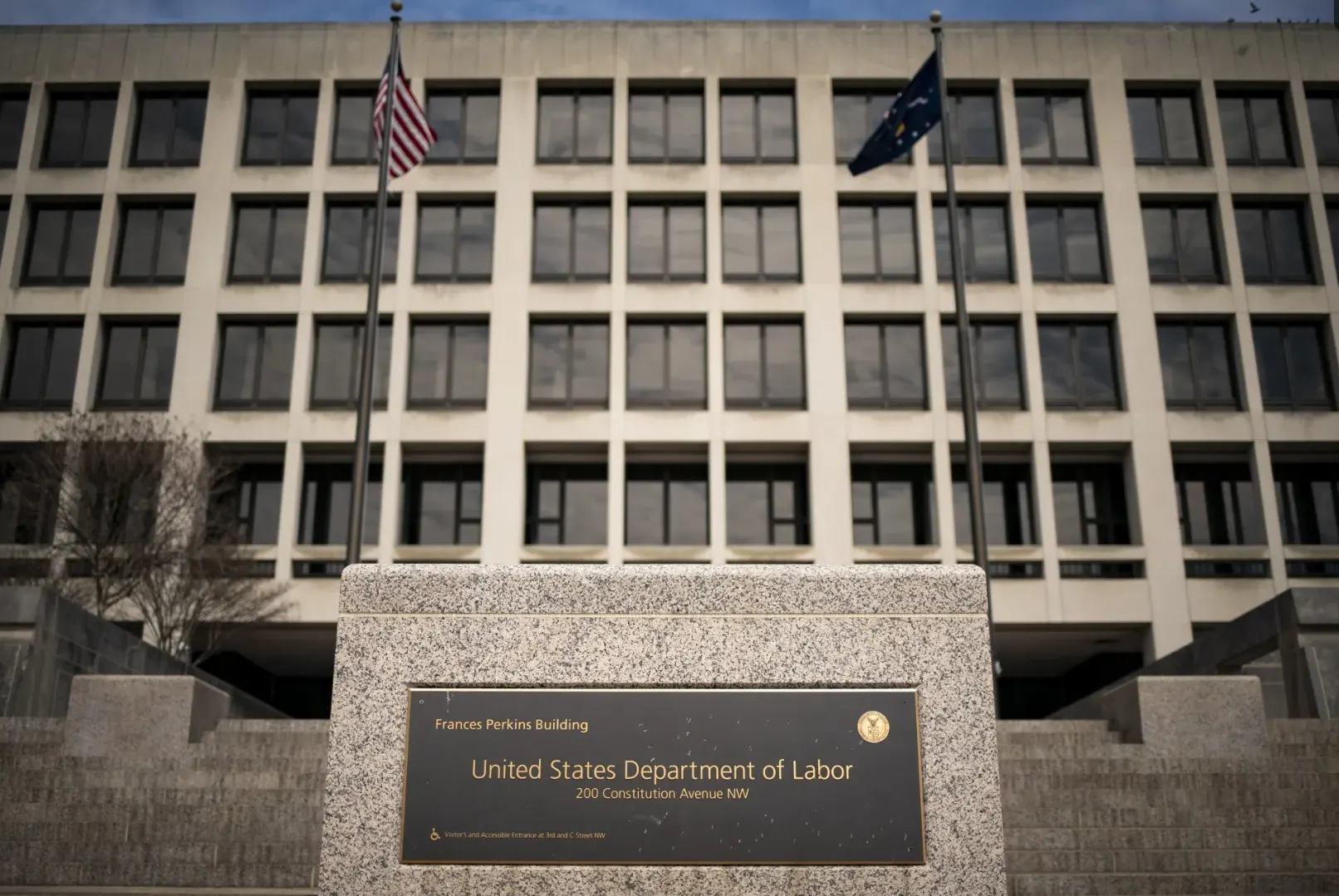
The Consumer Price Index for All Urban Consumers (CPI-U) rose 4.2 percent over the 12 months ending May 2026, accelerating from 3.8 percent in April, according to the U.S. Bureau of Labor Statistics (BLS) release published today (USDL-26-0824). On a seasonally adjusted monthly basis, the all-items index increased 0.5 percent in May, easing slightly from the 0.6 percent gain recorded in April. The energy index, rising 3.9 percent over the month and 23.5 percent over the past year, accounted for over 60 percent of the monthly all-items increase and remains the dominant driver of elevated headline inflation.
The May reading marks the highest annual rate since May 2023 and represents the second consecutive month of acceleration, reflecting the sustained passthrough of energy price pressures originating from the conflict in the Middle East and its impact on global oil supply routes.
Energy Remains the Dominant Inflation Driver
The energy index rose 3.9 percent in May on a seasonally adjusted basis, following increases of 3.8 percent in April and 10.9 percent in March. The gasoline index increased 7.0 percent over the month — before seasonal adjustment, gasoline prices climbed 8.6 percent — bringing the annual increase to 40.5 percent, the largest 12-month gain in the series since mid-2022. The electricity index rose 0.6 percent in May and is up 5.9 percent over the past year. Natural gas prices declined 0.5 percent for the month but remain 3.0 percent higher year-on-year.
The cumulative energy shock since the onset of supply disruptions in early 2026 now represents a sustained structural inflation input rather than a transitory spike. Gasoline’s 40.5 percent annual increase directly affects transportation costs across the broader economy, including freight, logistics, and consumer fuel spending.
Core Inflation Edges Higher, Shelter Remains Persistent
The all-items less food and energy index — the core measure — rose 0.2 percent in May, easing from the 0.4 percent monthly gain in April. On an annual basis, core CPI increased 2.9 percent, up modestly from 2.8 percent in April, remaining above the Federal Reserve’s 2 percent target.
Shelter, which carries the largest weight in the core basket, rose 0.3 percent over the month. Owners’ equivalent rent increased 0.3 percent and rent of primary residence rose 0.4 percent, with lodging away from home also gaining 0.4 percent. The communication index rose 1.3 percent in May, reversing a 0.2 percent April decline, while airline fares increased 2.7 percent and personal care rose 1.0 percent. Prescription drugs declined 0.9 percent over the month.
Food Inflation Moderates at the Margins
The food index increased 0.2 percent in May, easing from 0.5 percent in April. Food at home rose 0.1 percent as nonalcoholic beverages gained 0.6 percent, cereals and bakery products rose 0.4 percent, and fruits and vegetables increased 0.2 percent. Partially offsetting these increases, the dairy and related products index fell 0.6 percent — with cheese declining 2.9 percent — and the meats, poultry, fish, and eggs index decreased 0.2 percent. Food away from home rose 0.3 percent over the month.
On an annual basis, the food index increased 3.1 percent in May, with food at home up 2.7 percent and food away from home up 3.5 percent. Fruits and vegetables rose 6.1 percent over the year, while dairy fell 1.0 percent.
Context: Fed Policy and Market Implications
The May CPI print arrives as the Federal Reserve prepares for its 16–17 June policy meeting. The acceleration in headline inflation to 4.2 percent — the highest in three years — alongside core inflation holding above 2.9 percent sustains the case for a prolonged hold in interest rates. The Federal Reserve’s target range for the federal funds rate stands at 3.50–3.75 percent, held unchanged at its most recent meetings, and the May data strengthens the case for keeping policy restrictive, with markets continuing to price a meaningful probability of a rate increase later in 2026.
The 60-plus percent share of monthly CPI gains attributable to energy underscores that the primary inflation driver remains a supply-side shock rather than a demand-driven acceleration. The Fed has indicated it intends to look through energy-related price increases when assessing the medium-term inflation path, though a protracted elevation complicates that stance and raises upside risk to inflation expectations.
Outlook
The trajectory of U.S. inflation in the months ahead will depend primarily on three variables: the path of global energy prices and the timeline for normalization of supply routes; the degree to which energy cost pressures pass through to core goods and services; and the persistence of shelter inflation as rental market conditions evolve. With gasoline prices at a 40.5 percent annual premium and the core rate edging toward 3.0 percent, the near-term inflation environment remains elevated relative to the Fed’s target. Market attention now turns to the Federal Reserve’s 16–17 June meeting, the Producer Price Index release on June 11, and the evolution of the energy supply picture for further directional signals.
Sources: U.S. Bureau of Labor Statistics, Consumer Price Index — May 2026, USDL-26-0824, released June 10, 2026; and verified market information available as of June 2026.