US Job Openings Little Changed at 7.4 Million in June, JOLTS Shows
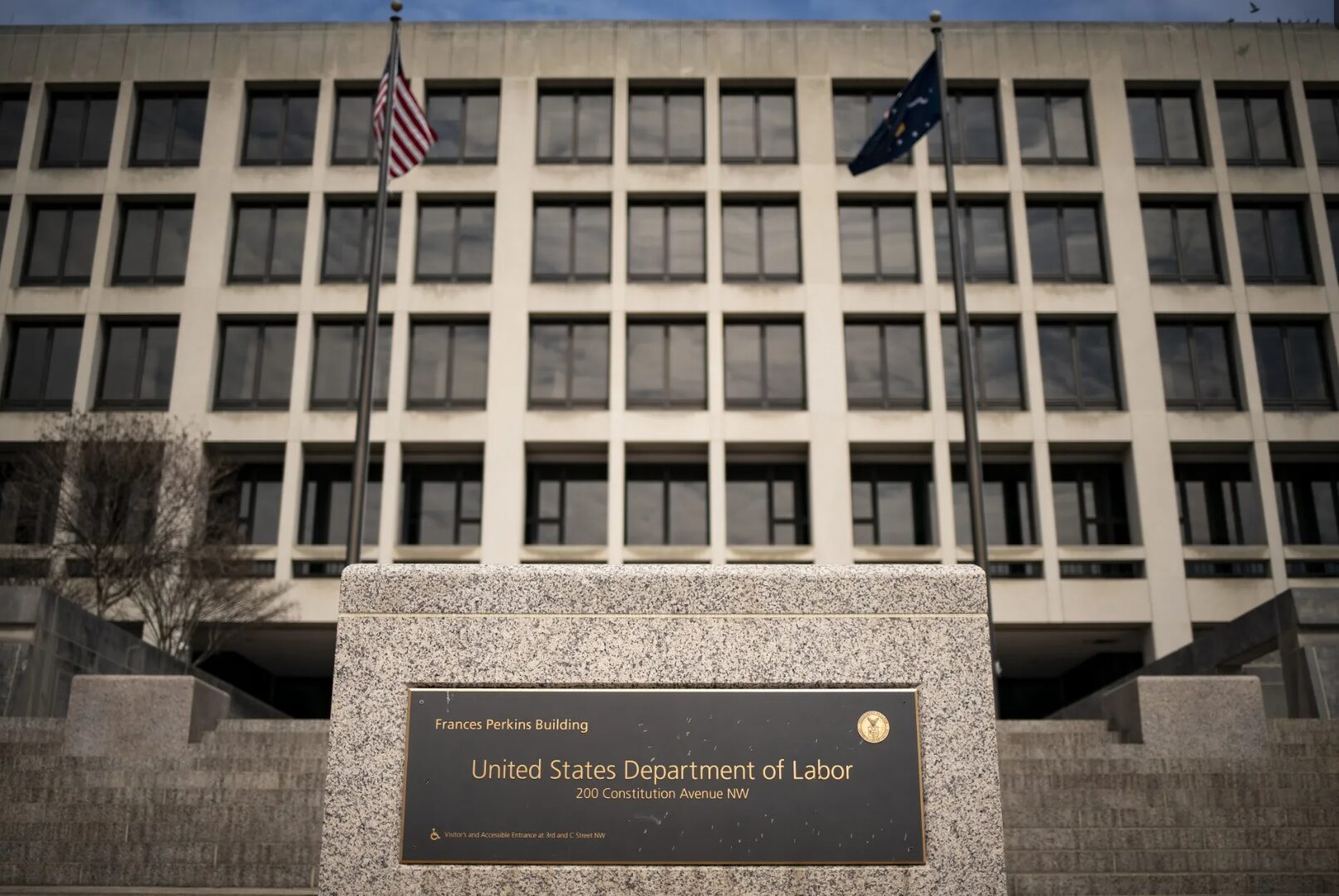
US job openings were little changed at 7.4 million on the last business day of June, the Bureau of Labor Statistics reported on 4 August, with the openings rate at 4.4 percent. Hires, total separations, quits and layoffs all moved within the range the bureau describes as little changed, leaving a labour market that is cooling by degrees rather than turning.
The May figures were revised in this release. Openings for May were revised down by 57,000 to 7.5 million, taking the May openings rate to 4.5 percent. Hires for May were revised up by 82,000 and total separations up by 159,000.
| Measure | June 2026 | May 2026, revised |
| Job openings, million | 7.4 | 7.5 |
| Job openings rate, percent | 4.4 | 4.5 |
| Hires, million | 5.3 | 5.3 |
| Hires rate, percent | 3.4 | 3.3 |
| Total separations, million | 5.4 | 5.3 |
| Total separations rate, percent | 3.4 | 3.3 |
| Quits, million | 3.2 | 3.2 |
| Quits rate, percent | 2.0 | 2.0 |
| Layoffs and discharges, million | 1.8 | not stated in this release |
| Layoffs and discharges rate, percent | 1.1 | not stated in this release |
The industry detail shows where the month’s movement sat. Openings rose in transportation, warehousing and utilities and in federal government, and fell in wholesale trade, in nondurable goods manufacturing and in mining and logging.
| Industry | Change in job openings, thousands |
| Transportation, warehousing and utilities | plus 97 |
| Federal government | plus 39 |
| Mining and logging | minus 9 |
| Nondurable goods manufacturing | minus 55 |
| Wholesale trade | minus 74 |
Federal government also accounted for the only named movements below the headline on the separations side, with hires down 6,000 and quits down 4,000. Layoffs and discharges showed little change across industries, with no sector singled out at the summary level.
Why it matters: the composition of this release matters more than its headline. Layoffs and discharges at a 1.1 percent rate and total separations at 3.4 percent describe an economy that is not shedding workers, while openings at 4.4 percent and a quits rate of 2.0 percent describe one that is not competing hard to hire them either. On our reading, that combination points to adjustment through slower hiring rather than through job losses, which historically produces a slower and less disruptive rise in unemployment than a layoff cycle would. For Gulf institutional investors weighing the dollar rate path, the significance is that a labour market cooling in this manner gives the Federal Reserve time rather than urgency.
Looking ahead: the bureau publishes July 2026 JOLTS data on 1 September. The revision pattern in this release, with May openings cut and May hires and separations raised, is a reminder that single-month readings in this series carry meaningful revision risk and are best read as a trend.
Sources: Bureau of Labor Statistics.