Qatar Central Bank Governor Says Non-Hydrocarbon Economy Accounts for About 70 Percent of GDP
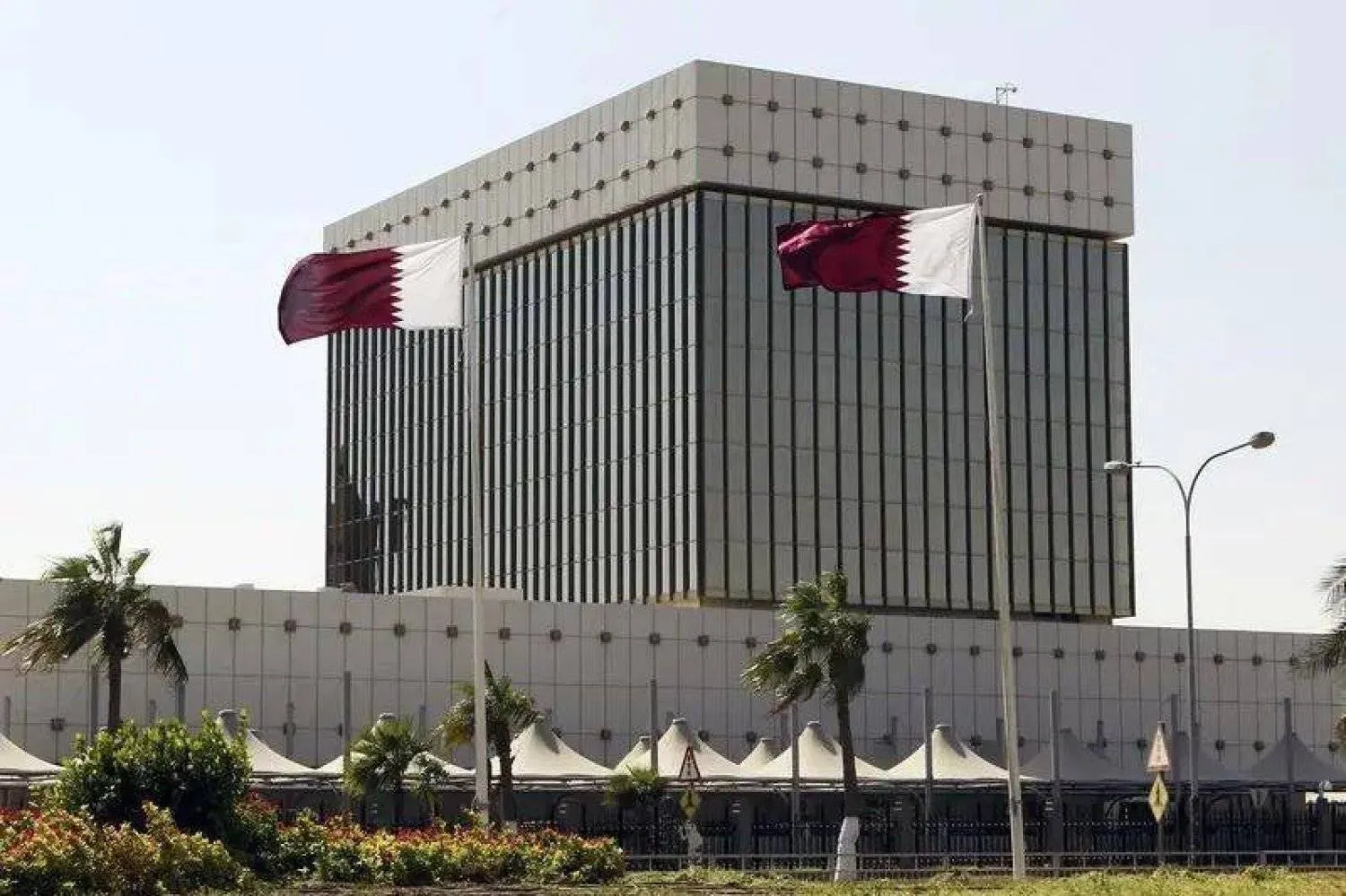
The non-hydrocarbon economy’s contribution to Qatar’s GDP has risen from 40 percent in 2011 to approximately 70 percent in recent years, Qatar Central Bank Governor Sheikh Bandar bin Mohammed bin Saoud Al-Thani said in an interview with Bloomberg TV, Qatar News Agency reported from New York on Sunday. The governor, who also chairs the Qatar Investment Authority, said the rise was supported by fiscal surpluses accumulated over past years and by reserves and funds that give the economy greater resilience.
He said the non-hydrocarbon sector grew 3.5 percent despite regional challenges. He also said Qatar had reduced its debt-to-GDP ratio from 60 percent to 40 percent while keeping an AA sovereign credit rating. Despite the damage sustained by liquefied natural gas (LNG) facilities, he added, a new expansion project will double production capacity to 145 million tons a year by 2030.
The governor’s figures, read together
| Measure | Earlier | Latest | Change |
|---|---|---|---|
| Non-hydrocarbon share of GDP | 40% (2011) | about 70% | +30 points |
| Debt to GDP | 60% | 40% | -20 points |
| LNG capacity target | n/a | 145 mtpa by 2030 | n/a |
Qatar News Agency, 20 September 2026. The change column is our calculation.
On our calculation, the non-hydrocarbon share rose 30 percentage points and the debt ratio fell 20 percentage points, a third of its starting level. The governor’s figures leave hydrocarbons at about 30 percent of GDP, against 60 percent in 2011. The report does not give the period for the 3.5 percent growth figure.
The governor also said Qatar Central Bank is implementing 18 artificial intelligence projects, four of which have been completed, and that the Qatar Investment Authority is increasing its focus on technology, artificial intelligence and innovation, particularly in the United States.
Why it matters: on the governor’s figures, non-hydrocarbon activity is about 70 percent of Qatar’s GDP and the debt-to-GDP ratio is 40 percent, while LNG capacity is planned to reach 145 million tons a year by 2030 despite the damage he acknowledged to LNG facilities.
Outlook: the National Planning Council’s quarterly GDP releases will show how the hydrocarbon and non-hydrocarbon components have moved through 2026, and the 2030 capacity target sets the benchmark for the gas sector’s expansion.
Sources: Qatar News Agency.