Egypt Signs Affordable Housing Partnerships After 137 Applications for 17 Development Plots
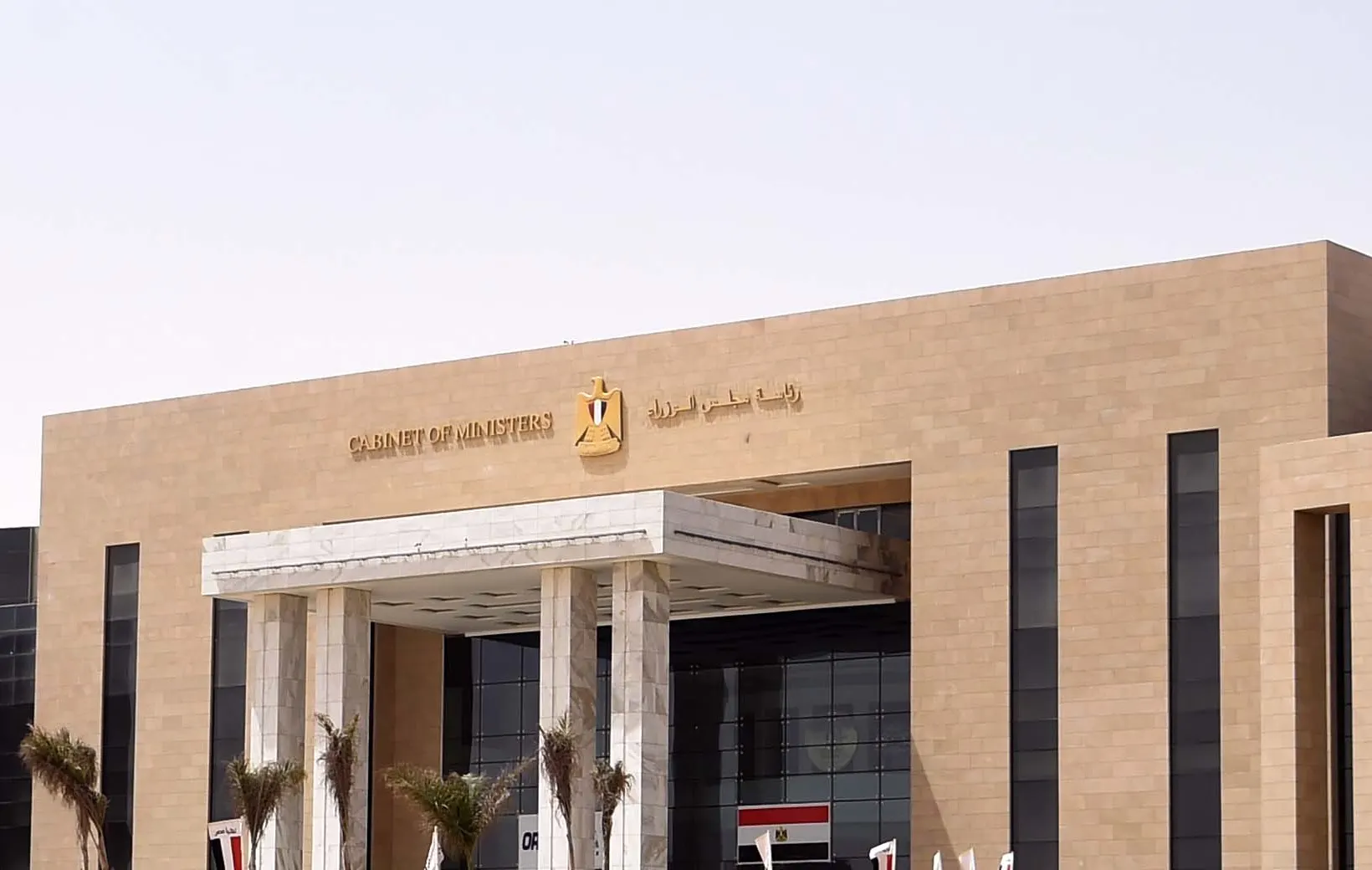
Egypt’s Prime Minister Mostafa Madbouly witnessed the signing on 27 October of a package of partnership agreements that bring private developers into low-income housing under the presidential initiative Housing for All Egyptians (Sakan Kol El Masreyeen). Under the model, 80 percent of each project goes to affordable homes at prices the state fund sets, and 20 percent to units or commercial activities marketed at market prices. In the first phase, 104 developers filed 137 applications for 17 plots of land, said May Abdel Hamid, chief executive of the Social Housing and Mortgage Finance Fund.
The New Urban Communities Authority and the Fund signed with 13 private-sector representatives, on our count of the signatories named by MENA, Egypt’s state news agency. The ceremony took place at the government headquarters in the New Capital. Housing Minister Randa El-Menshawy attended with the Prime Minister. The signing carries out directives President Abdel Fattah El-Sisi issued at Egypt Forum 2026. World Bank officials attended in support of the project.
How the 80/20 Model Works
The split is the core of the design. The affordable 80 percent is offered to eligible citizens at prices and under rules the Fund sets. The other 20 percent covers homes or commercial activities that the developer builds and markets at market prices, which gives it a return on its investment. Land goes to the developers at preferential prices to bring development costs down.
The minister described a clear division of roles. The model protects the programme’s social goals, she said, and puts the private sector’s efficiency to work on delivery. In plain terms, the state supplies land at preferential prices and the Fund sets prices for 80 percent of the project. The market-priced 20 percent gives the developer its return, on our reading.
The World Bank’s regional director said, in remarks carried by MENA, that partnership with the private sector is one of the main pillars of the Fund’s inclusive finance programme, run with the World Bank through financing of 1 billion dollars since 2014.
Phase 1 of the Partnership Model
| Measure | Figure | Note |
|---|---|---|
| Developers applying | 104 | Phase 1 |
| Applications filed | 137 | To reserve plots |
| Plots offered | 17 | In 8 new cities |
| Target units | 20,000 | Estimate |
| Affordable share | 80% | Fund-set prices |
| Market-priced share | 20% | Developer return |
| Mortgage rate | 8% | Declining balance |
| Maximum repayment term | 20 years | For recipients |
Figures as given by the chief executive of the Social Housing and Mortgage Finance Fund on 27 October. The unit target is the Fund’s estimate.
Demand Runs Ahead of Land in Phase 1
The applications came in before the signing. A Housing Ministry release dated 16 June announced the close of applications to its partnership programme with private real-estate developers. The Fund gave the count at the signing, and it shows the appetite. With 137 applications for 17 plots, each plot drew 8.06 applications on average, on our calculation. Developers divided by plots offered come to 6.12, on our calculation. The average applicant filed 1.32 applications, on our calculation, so at least some developers went after more than one site.
The phase is spread across the map. The estimated 20,000 units the Fund gave at the signing are spread across 8 new cities. That is an average of 1,176 units per plot and 2,500 per city, on our calculation. Each city hosts 2.1 plots on average, on our calculation.
She said the response reflects private-sector confidence in the new model and a market ready to build social housing alongside the state.
Phase 1 on a Per-Plot and Per-City Basis
| Measure | Value |
|---|---|
| Applications per plot | 8.06 |
| Developers divided by plots offered | 6.12 |
| Applications per developer | 1.32 |
| Units per plot | 1,176 |
| Units per city | 2,500 |
Our calculation from the Fund’s phase 1 figures. Rows in units use the estimate of 20,000 units.
Financing at 8 Percent Over 20 Years
Buyers can take mortgage finance at 8 percent on a declining balance, with repayment over up to 20 years. That is 11 percentage points below the Central Bank of Egypt’s overnight deposit rate of 19 percent and 12 percentage points below its 20 percent overnight lending rate, on our calculation. Those rates have been in force since 15 February, and the bank left them unchanged at its meeting on 24 September.
The rate gap shows up in the monthly bill. For each 100,000 pounds borrowed at 8 percent over the maximum 20 years, the instalment comes to 836 pounds a month, on our calculation. That assumes 240 equal monthly payments, a monthly rate of one twelfth of 8 percent kept for the full term, and no fees or insurance. As a reference point only, the same loan priced at the central bank’s 20 percent overnight lending rate would cost 1,699 pounds a month, on our calculation. That is 2.03 times the instalment at 8 percent, on our calculation. Over 20 years, a borrower at 8 percent repays 200,746 pounds in total, against 407,718 pounds at 20 percent, on our calculation.
The rate also sits below inflation. Annual headline inflation was 13.9 percent in September, according to the Central Bank of Egypt. That is 5.9 percentage points above the mortgage rate, on our calculation. CAPMAS put annual inflation for actual rents at 27.5 percent in September. Prices nationwide rose 12.8 percent.
The Fund’s 8 Percent Rate Against Official Benchmarks
| Benchmark | Level | Gap to 8% (points) |
|---|---|---|
| Overnight deposit rate | 19.00% | 11.00 |
| Overnight lending rate | 20.00% | 12.00 |
| Headline inflation, Sep 2026 | 13.9% | 5.9 |
Policy rates of the central bank in force since 15 February 2026 and left unchanged on 24 September. Headline inflation is the central bank’s September 2026 figure. Gaps against the 8 percent mortgage rate are our calculation.
Where Phase 1 Sits in the National Plan
The forum’s programme names this kind of partnership as one of its strands. At Egypt Forum 2026 on 24 October, the Prime Minister set out a national programme to provide 1 million new housing units of various levels over 4 years, with estimated investments of 1 trillion pounds in partnership with the Tahya Misr fund, and named social housing in partnership with real-estate developers as one of its strands. If counted toward that target, Phase 1’s 20,000 units, an estimate given by the Fund, would equal 2 percent of it, on our calculation. At an even pace of 250,000 units a year, they would equal 8 percent of one year’s build, on our calculation.
Why it matters: Egypt is moving part of its low-income housing build onto private developers while keeping control of the price of the affordable 80 percent of each project. Land at preferential prices and the market-priced 20 percent give the developer its return. Buyers get mortgage finance at 8 percent over up to 20 years. Phase 1 drew 8.06 applications per plot, on our calculation, a sign of strong interest from builders, on our reading.
Outlook: The central bank’s Monetary Policy Committee meets on 29 October and again on 17 December, and any move in its policy rates would change the gap to the Fund’s 8 percent rate. The next milestone is implementation of the projects and delivery of the homes, on our reading. Later phases would show how far the model can carry the national goal of 1 million homes over 4 years.
Sources: MENA, Egypt Forum, Central Bank of Egypt, CAPMAS, Housing Ministry, The Edge.