Global Foreign Investment Rose 6 Percent in 2025 but the Rebound Was Uneven, UNCTAD Says
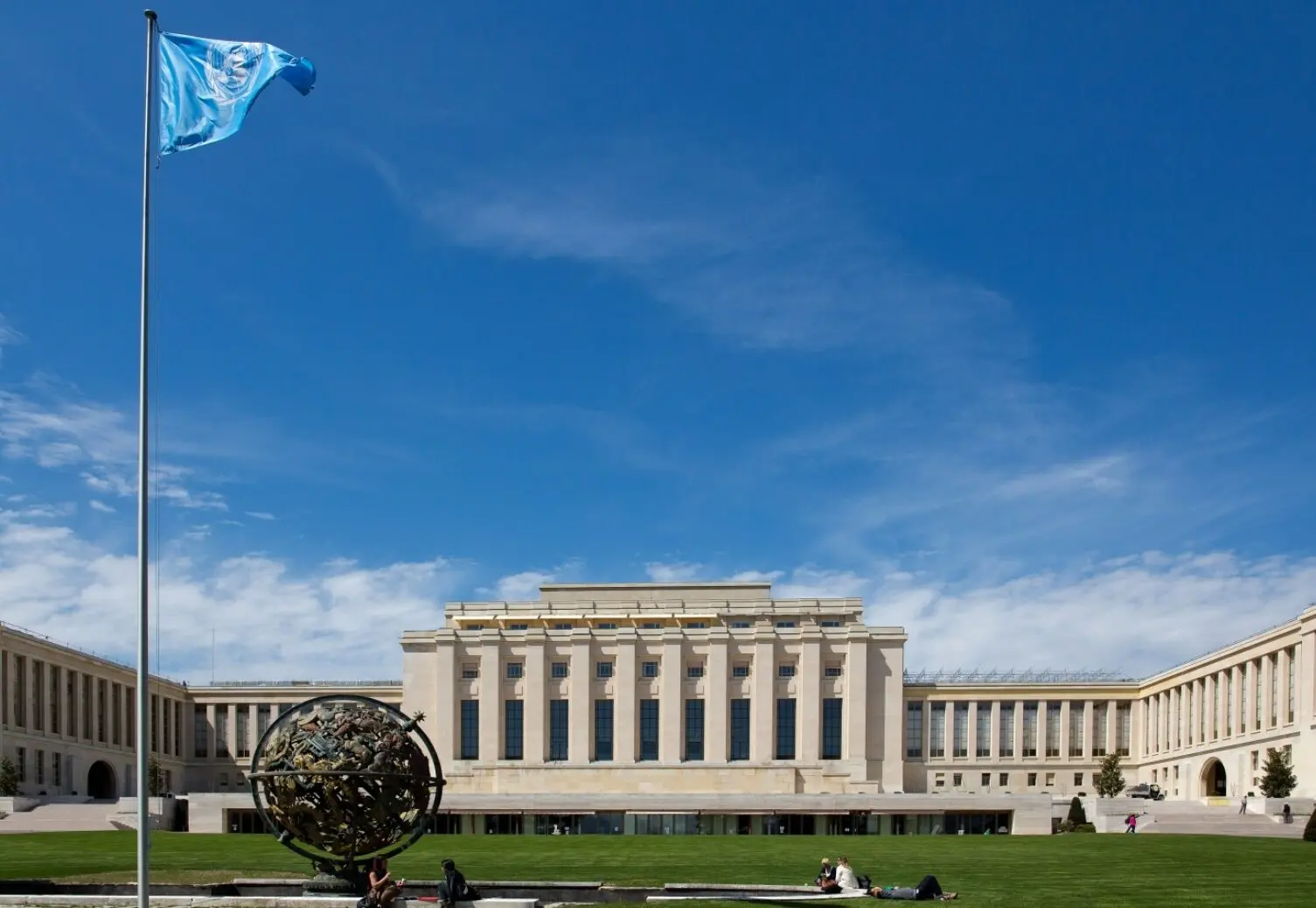
Global foreign direct investment rose about 6 percent to 1.6 trillion dollars in 2025, ending two years of decline, but the recovery was unevenly spread and left many developing economies behind, the United Nations trade and development body UNCTAD said in its World Investment Report 2026, published on 7 July. The report described a global investment landscape being reshaped by trade-policy uncertainty and intensifying competition over technology.
The rebound favoured richer economies. Investment into developed economies rose about 11 percent, while flows to developing economies grew a more modest 2 percent to around 901 billion dollars, UNCTAD said, with developing Asia remaining the largest recipient at about 644 billion dollars. Concentration was a defining feature: the top 20 host economies accounted for more than 80 percent of global inflows, underlining how much of the world’s cross-border investment is captured by a handful of large markets.
The report’s sharpest finding was a shift in where investment is going. Announced greenfield investment in strategic sectors jumped from about 109 billion dollars in 2020 to some 576 billion dollars in 2025, lifting their share of global greenfield projects from 16 percent to 44 percent, UNCTAD said, spanning artificial-intelligence infrastructure, semiconductors, energy-transition technologies and critical minerals. That reordering toward technology and energy is directly relevant to the Gulf, whose sovereign investors and diversification plans are increasingly built around exactly those sectors.
The report framed the outlook cautiously. UNCTAD pointed to trade-policy uncertainty, including tariffs and the reordering of supply chains, and to competition over advanced technology as forces that are redirecting where companies choose to invest, adding that development gains from investment remain uneven even as headline flows recover. That combination poses a particular challenge for developing economies that rely on foreign investment to build infrastructure and industry.
Why it matters: Foreign direct investment is central to the economic strategies of both the Gulf and Egypt, where attracting long-term capital into non-oil sectors is a pillar of diversification and reform. A global rebound in investment is a supportive backdrop, but the concentration of flows in a few large markets and the drag from trade-policy uncertainty are reminders that the region must compete hard for capital. For the Gulf’s sovereign funds, which are among the world’s largest cross-border investors, the report also underlines the strategic importance of the technology competition that is now steering global investment.
Outlook: The markers to watch are whether the recovery in investment broadens beyond developed economies, how trade and tariff policy evolves, and whether competition over technology continues to concentrate investment in leading markets. A more even distribution of flows would be the clearest sign that the rebound is translating into development gains.
Sources: UNCTAD.