ADNOC Is Said to Reprice Some Offshore Crude to Offer Buyers a Route Around the Strait of Hormuz
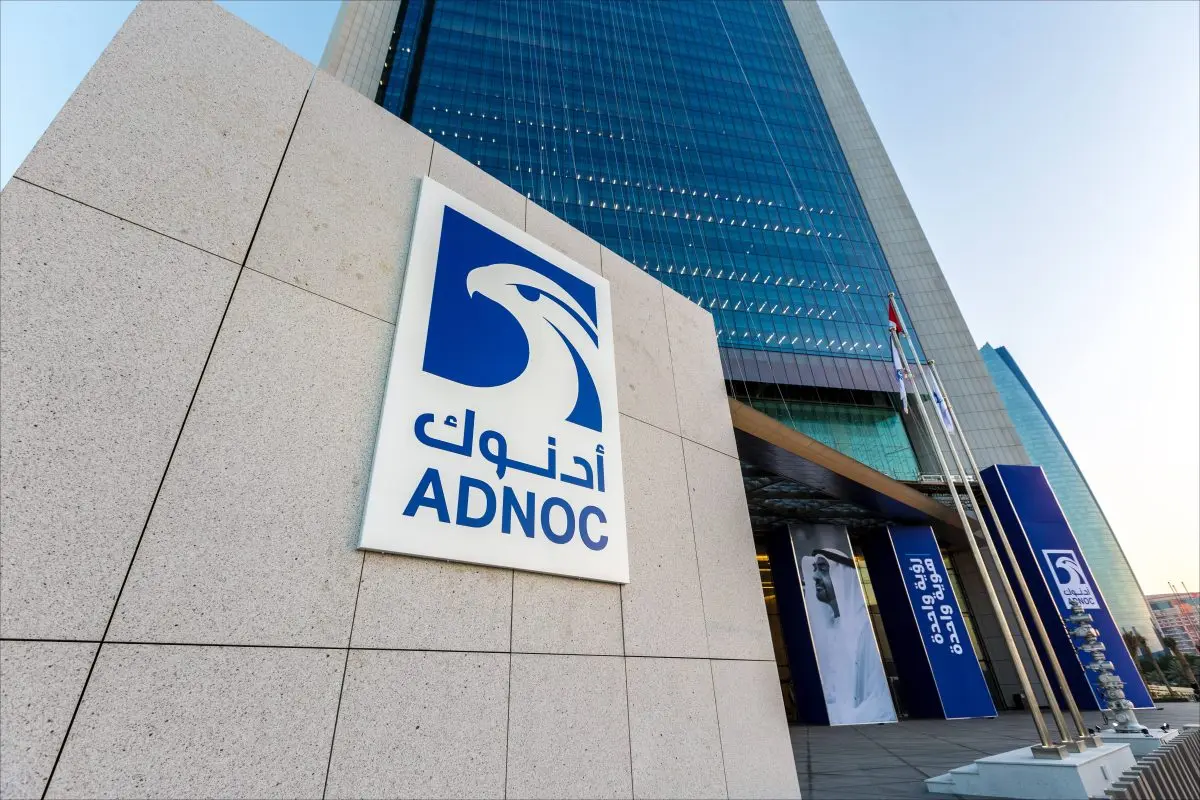
Abu Dhabi’s national oil company is giving buyers of some of its crude a way to take delivery without sailing through the Strait of Hormuz, according to a Bloomberg report, an unusual adjustment to the way the oil is priced that underscores how the region’s main shipping chokepoint has moved to the centre of the market. ADNOC will offer August cargoes of three offshore grades for collection outside the strait, priced against the Dubai benchmark, with the oil transferred ship to ship at the port of Fujairah on the Gulf of Oman.
The change applies to Upper Zakum, Das and Umm Lulu, three medium sour grades produced at offshore fields that have until now been linked to ADNOC’s flagship Murban futures. Under the reported arrangement they would instead be priced at a premium to Dubai, with the differentials set at 80 cents a barrel above Dubai for Upper Zakum and Das and one dollar for Umm Lulu. Murban itself, the grade that trades on the Abu Dhabi exchange and is delivered at Fujairah, is unaffected. ADNOC has not published a circular on the change, and the report cited market sources rather than a company announcement.
The point of the tweak is logistical. Fujairah sits on the Gulf of Oman, on the far side of the strait from Abu Dhabi’s loading terminals, so a cargo collected there by ship-to-ship transfer never has to make the Hormuz passage. That matters because the strait is the world’s most important oil chokepoint: about 20 million barrels a day passed through it in 2024, roughly a fifth of global petroleum consumption and more than a quarter of seaborne oil trade, according to the US Energy Information Administration. Anything that lets barrels bypass it becomes valuable when transit risk is elevated.
The Emirates already has one such bypass in the Habshan to Fujairah pipeline, which can move about 1.5 million barrels a day of crude to the coast outside the strait, and Saudi Arabia has its larger East-West line to the Red Sea. The International Energy Agency puts the two countries’ combined spare bypass capacity at roughly 3.5 to 5.5 million barrels a day. Repricing offshore grades for Fujairah collection extends that logic from pipelines to the pricing sheet, giving refiners a contractual way to avoid the strait rather than only a physical one. At 80 cents to a dollar over Dubai, the premiums are modest, our reading, which suggests the aim is reassurance and flexibility rather than a meaningful repricing of the crude itself.
Why it matters: For Gulf producers, keeping oil flowing to customers regardless of the security picture around Hormuz is now a commercial priority as much as a strategic one, and pricing cargoes for collection outside the strait is a low-key way to do it without diverting volumes or cutting output. For buyers in Asia, the region’s biggest customers, it eases the insurance and routing burden of lifting Gulf crude. And for Kuwait and other Gulf exporters watching the same chokepoint, ADNOC’s move is a template for how national oil companies can lean on pricing and logistics, not only diplomacy, to keep barrels moving.
Outlook: The immediate question is uptake, which the report did not quantify, and whether other Gulf producers follow with similar collection options for their own grades. Beyond that, the durability of the arrangement will track the security situation around the strait and the progress of the new Fujairah-bound pipeline capacity the Emirates is reported to be accelerating toward 2027. If transit risk eases, the premium route may see little use; if it persists, pricing crude for non-Hormuz collection could become a standing feature of the Gulf market.
Sources: Bloomberg; US Energy Information Administration; International Energy Agency.