ADNOC Launches a Global LNG Platform Targeting 47 Million Tonnes a Year as It Builds Trading Scale
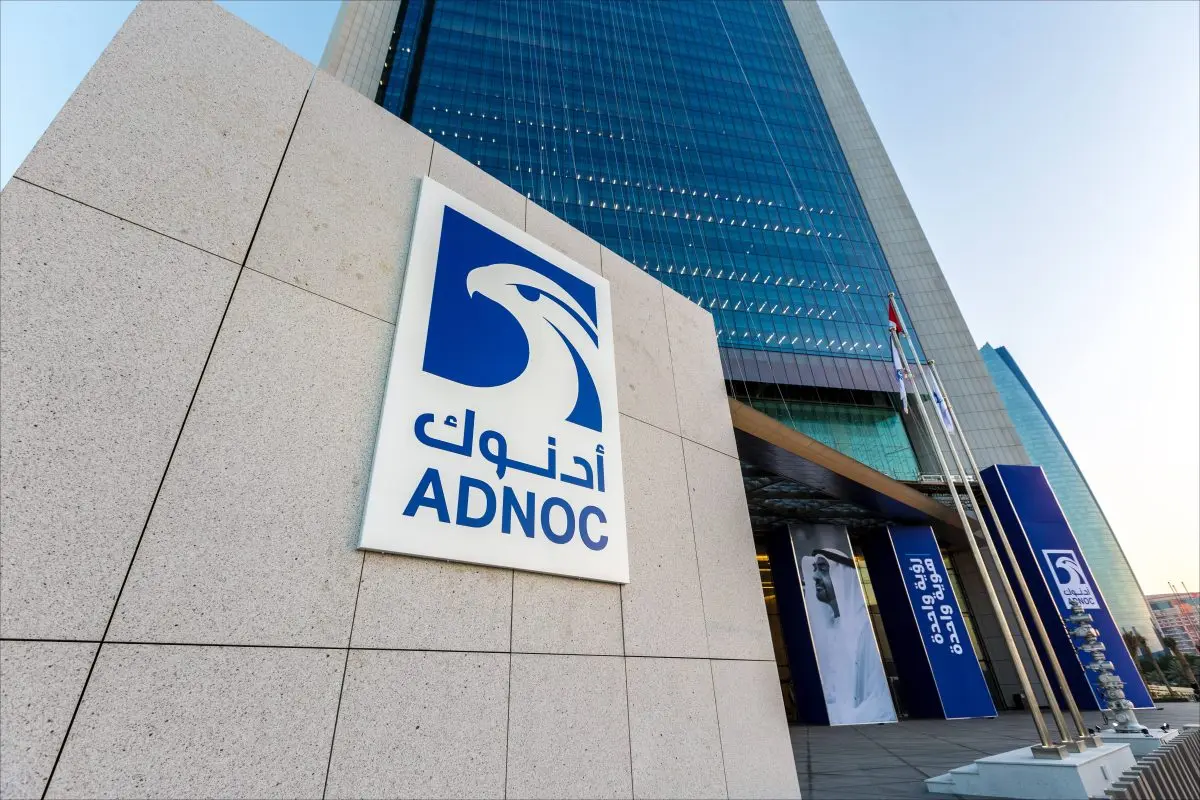
The Abu Dhabi National Oil Company on 6 July launched an integrated global platform for marketing and trading liquefied natural gas, bringing the LNG marketing activities of ADNOC Gas and its international arm XRG together with the trading capabilities of ADNOC Trading into a single commercial hub. Based in Abu Dhabi Global Market, the platform is designed to give the group greater scale and flexibility in a fuel whose demand is expected to grow substantially over the coming decade.
The headline ambition is size. ADNOC said the platform is targeting 47 million tonnes a year of combined marketable LNG by 2035, a level it said would rank the group among the leading global LNG players. That target rests on a fast-expanding production base. The flagship Ruwais LNG project, with capacity of 9.6 million tonnes a year across two trains, is due to start up in 2028 and will more than double ADNOC Gas’s operated LNG capacity to around 15 million tonnes, with more than 8 million tonnes of the new plant’s output already committed to buyers.
The move is as much about trading and logistics as about production. ADNOC Trading has built a third-party LNG book over the past four years and ranks among the top global LNG financial traders, with offices in Abu Dhabi, Singapore and Geneva, while the group’s shipping arm has expanded its owned LNG fleet to 20 vessels, including 14 modern two-stroke carriers. Folding marketing, trading and shipping into one platform is intended to let the group optimise where its cargoes go, arbitrage between markets and offer customers more flexible terms, the capabilities that distinguish the largest LNG portfolio players from pure producers.
The strategic logic reflects a bet on gas as a long-term transition fuel. ADNOC’s group chief executive, Sultan Al Jaber, who also chairs XRG, said the world would need reliable suppliers at scale as LNG demand grows, and that the platform marked a step change in the scale, flexibility and optionality of the group’s marketing and trading. The platform supports ADNOC Gas’s expanding portfolio, including Ruwais, and XRG’s international gas and infrastructure growth, while reinforcing Abu Dhabi’s ambition to position itself as a global energy trading centre alongside the established hubs.
The launch fits a wider pattern across the Gulf, where national oil companies are moving downstream and into trading to capture more of the value chain rather than simply selling crude and gas at the wellhead. For the UAE, building an LNG marketing and trading business of global scale diversifies the revenue the state earns from its hydrocarbons and deepens the country’s role in the fast-growing global gas trade, at a time when buyers in Asia and Europe are seeking secure long-term supply.
Why it matters: LNG is one of the fastest-growing parts of the global energy market, and control of marketing, trading and shipping, rather than production alone, is what lets a producer capture the most value and secure long-term customers. By consolidating these functions and targeting 47 million tonnes a year by 2035, the UAE is positioning ADNOC among the top tier of global LNG players and building a trading business that earns fees beyond its own output. For the Gulf, it is another example of national energy companies moving up the value chain to diversify hydrocarbon income.
Outlook: Delivery depends on the Ruwais project starting up on schedule in 2028 and on the group converting its capacity targets into committed long-term contracts in a competitive global market. The pace at which XRG grows its international gas positions and the trajectory of Asian and European LNG demand will determine how quickly the 47 million tonne goal comes within reach. The next markers are further offtake agreements for Ruwais and the platform’s early trading performance.
Sources: Abu Dhabi National Oil Company.