Qatar Ties Gas Feedstock to New Downstream Industry in a Push to Widen Its Non-Energy Base
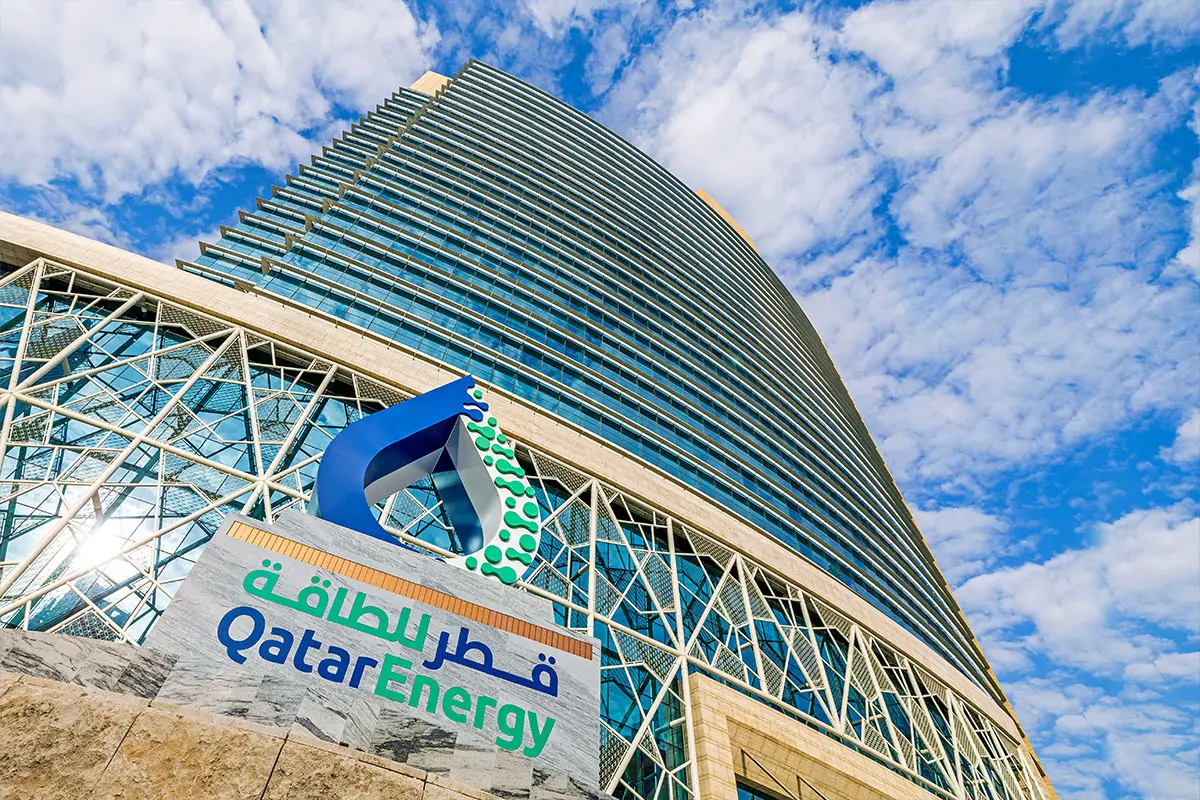
Qatar has moved to channel its abundant gas into a new wave of downstream industry, with the Ministry of Commerce and Industry and QatarEnergy signing terms of reference on 5 July for a joint mechanism to allocate hydrocarbon-derived resources to industrial investment and to develop a new medium-industries zone in Mesaieed Industrial City. The step is a concrete example of how the Gulf’s largest liquefied natural gas exporter is trying to convert its energy wealth into a broader manufacturing base.
Under the agreement, signed at QatarEnergy’s headquarters and witnessed by the Minister of Commerce and Industry, Sheikh Faisal bin Thani Al-Thani, and the Minister of State for Energy Affairs and QatarEnergy chief executive, Saad Al-Kaabi, the two sides will set up a governance framework to evaluate and allocate gas, power and related resources to downstream, derivative industrial projects. The most concrete commitment is on feedstock: QatarEnergy pledged to supply the new Mesaieed expansion with volumes of natural gas equal to those dedicated to the small and medium industries in Doha’s existing Industrial Area, giving prospective investors the assured energy input that downstream manufacturing requires.
The mechanism is designed to be cross-government. A joint working team will oversee the allocation of resources and draw in the Ministry of Finance, the state utility Kahramaa, Invest Qatar, the free-zones and special-economic-zone authorities, the environment ministry and Qatar Development Bank, among others. The commerce ministry will lead on attracting investors and sourcing opportunities, while QatarEnergy provides the technical and commercial evaluation. The agreement sets no specific investment figure or zone size, so its scale will become clear only as projects are allocated, but the framework itself signals intent to turn feedstock access into a deliberate tool of industrial policy.
The logic is straightforward for a country whose wealth rests on gas. Qatar holds some of the world’s largest gas reserves and is expanding its LNG export capacity, but the value captured from selling gas as a raw export is far lower than from processing it into petrochemicals, fertilisers, aluminium and other manufactured goods. By tying guaranteed feedstock to a dedicated industrial zone, Doha is trying to draw private investment into that higher-value activity, create jobs outside the energy sector and reduce the economy’s reliance on hydrocarbon exports alone, the same diversification logic that runs through the National Vision 2030.
The trade side of the economy offered a parallel signal of activity the same week. The state ports operator, Mwani Qatar, reported that its ports handled about 866 vessels and more than 493,000 containers in twenty-foot-equivalent units in the first half of 2026, along with more than 273,000 tonnes of general cargo, about 325,000 tonnes of bulk cargo, almost 25,000 units of roll-on roll-off cargo and more than 112,000 head of livestock. The throughput underlines the logistics capacity that a downstream industrial push would rely on, since manufactured exports and imported inputs both move through the same gateways.
Why it matters: Qatar’s prosperity is built on gas, but the greatest long-term gains come from processing that gas into higher-value manufactured goods rather than exporting it raw. Tying guaranteed feedstock to a new industrial zone is a practical tool to attract the private investment that downstream diversification needs, create non-energy jobs and broaden the economy’s base. For the wider Gulf, it is another instance of a producer using its resource advantage deliberately to build industry, and the parallel strength in port throughput shows the logistics backbone such a strategy depends on.
Outlook: The test will be how much investment the mechanism actually attracts and how quickly the Mesaieed zone fills, details the framework leaves open for now. Assured, competitively priced gas is a powerful draw for energy-intensive industry, but investors will also weigh global demand, competition from other Gulf industrial hubs and the pace of approvals. The next markers are the first project allocations under the new mechanism and any investment targets Qatar attaches to the Mesaieed expansion.
Sources: Qatar News Agency; Qatar Ministry of Commerce and Industry; QatarEnergy; Mwani Qatar.