Egypt’s External Debt Ratio Falls to 40.3 Percent of GDP, Reaching the Government Target Six Months Early
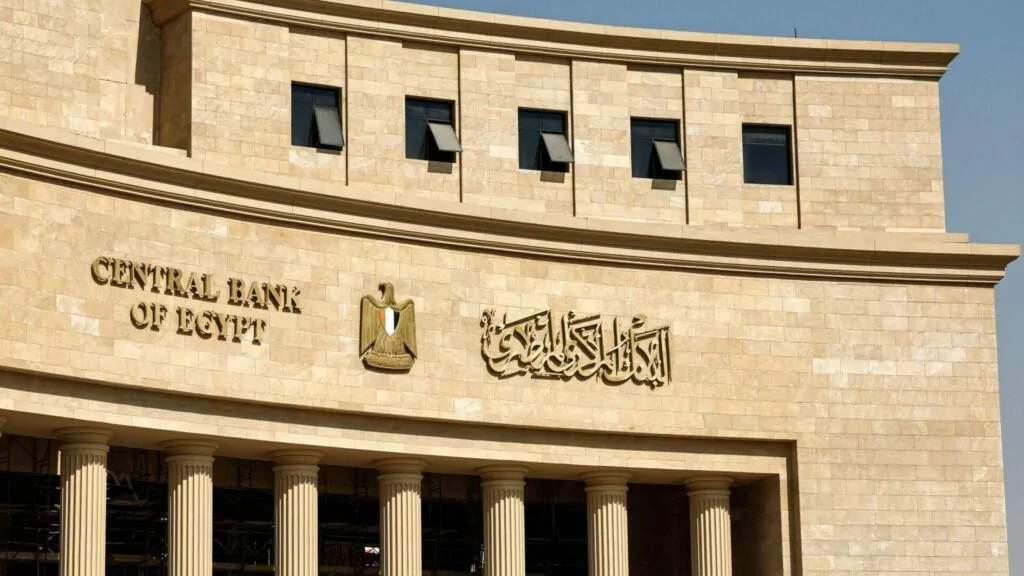
Egypt’s external debt stood at 163.9 billion dollars at the end of December 2025, up 5.6 percent from 155.1 billion dollars a year earlier, according to the Central Bank of Egypt’s latest External Position report. The stock is higher, but the economy is growing faster than the debt: the external debt to GDP ratio fell to 40.3 percent from 42.5 percent, which brings the government’s own 40 percent target within touching distance six months ahead of its deadline.
The target is worth recalling because it anchors the story. The Prime Minister said in December that Egypt aimed to bring the external debt ratio to 40 percent of GDP or below by the end of fiscal year 2025/26 in June, from 44 percent when he spoke. At 40.3 percent by December, the goal was effectively met at the halfway point of the fiscal year, the product of nominal GDP expanding to an implied level of about 405 billion dollars while the pace of borrowing slowed. That slowdown is visible in the six month numbers: measured against the end of June 2025, when external debt closed the last fiscal year at 161.2 billion dollars, the stock rose by about 2.7 billion dollars in six months, well below the 8.8 billion dollars added over the calendar year as a whole.
The improvement in the ratio deserves a careful reading. The implied GDP base behind the 40.3 percent figure is roughly 407 billion dollars, against about 365 billion dollars a year earlier under the prior 42.5 percent ratio, our calculation. The gain was therefore driven less by debt reduction than by the denominator effect of a larger nominal economy, which is still a positive development, but a different one from paying debt down, and it means the ratio’s path from here depends as much on growth and the exchange rate as on borrowing restraint.
The composition of the debt is shifting in Egypt’s favour as well. Long term debt rose to 129.5 billion dollars from 124.1 billion a year earlier, holding its share at about 79 percent of the total, while short term debt increased to 34.4 billion dollars from 30.9 billion. Outstanding bonds, notes and sukuk reached 28.8 billion dollars from 27.3 billion, and the detail shows a deliberate diversification of instruments and currencies: dollar sukuk more than doubled to 3.71 billion dollars from 1.45 billion, alongside about 19.9 billion dollars in dollar eurobonds, 3.5 billion dollars in euro denominated bonds and smaller samurai and panda issues in yen and yuan.
Set against the country’s buffers, the short term stock looks manageable. Net international reserves stood at 53.1 billion dollars at the end of May 2026, about one and a half times the short term external debt, and the central bank governor has said reserves cover roughly seven months of merchandise imports. The harder constraint is the servicing schedule. The central bank projects medium and long term public and publicly guaranteed debt service of 34.6 billion dollars in 2026, easing sharply to 19.6 billion in 2027 and about 14.6 billion in 2028. The coming twelve months therefore carry the peak of the repayment hump, after which the schedule lightens by almost 15 billion dollars a year.
The wider external accounts in the same report moved in the same direction. The current account deficit narrowed 13.6 percent to 9.5 billion dollars in the first half of fiscal year 2025/26, remittances jumped 40.5 percent to a record 41.5 billion dollars in calendar 2025, and the banking system’s net foreign assets swung to a positive 12.2 billion dollars at the end of December from a negative 6.4 billion a year earlier. That swing of almost 19 billion dollars is perhaps the clearest single signal in the report, because it shows foreign currency returning to the banking system rather than merely accumulating at the central bank.
Why it matters: Debt sustainability is judged on ratios and repayment schedules rather than headline stocks, and on both measures the report marks a turn: the debt ratio is falling on a growing economy, maturities are lengthening, funding sources are diversifying and the banking system has rebuilt a foreign asset cushion. For the region’s investors and lenders, including the Gulf institutions that hold significant deposits at the Egyptian central bank, a ratio at 40.3 percent and a narrowing current account deficit strengthen the case that Egypt’s external position is normalising after the stress of recent years. The test that remains is 2026’s 34.6 billion dollar service bill, the heaviest year in the schedule, which keeps Egypt reliant on strong remittance and tourism inflows and continued multilateral support while the hump passes.
Outlook: The end of June figures will show whether the 40 percent target was formally met at the fiscal year close, and the central bank’s June reserves release, due within days, will indicate how the buffers entered the new fiscal year. With the IMF’s seventh review agreement reached in late June and about 1.64 billion dollars pending Executive Board approval, the financing pipeline into 2027 looks covered, and a 2027 service bill nearly 15 billion dollars lighter than 2026’s would give Egypt its first materially easier external year since the crisis.
Sources: Central Bank of Egypt; International Monetary Fund.