Goldman Sees the Yen Staying Weak Even If Tokyo Intervenes as Its Dollar Yen Forecast Moves Toward 165
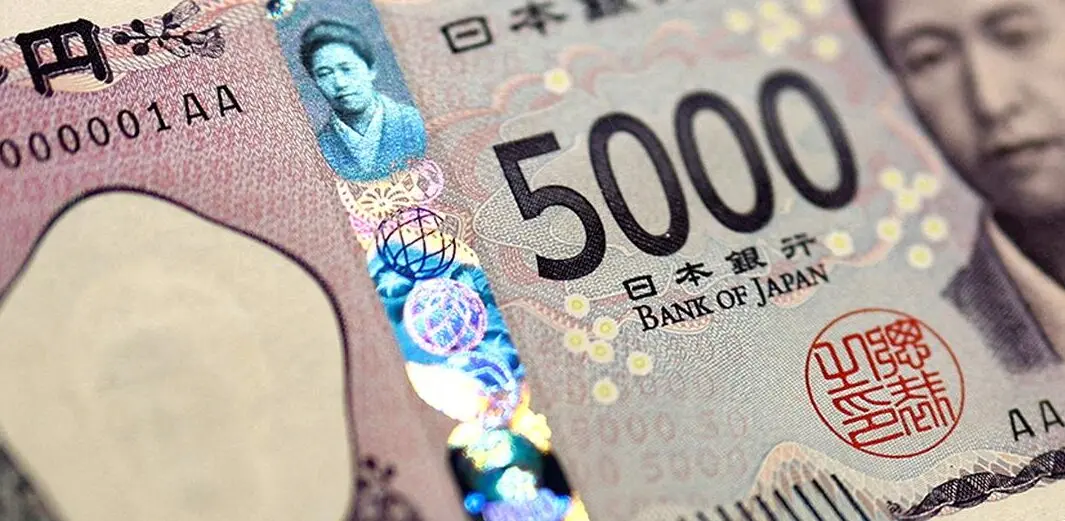
Goldman Sachs has turned more bearish on the Japanese yen, arguing that any fresh intervention by Japanese authorities would probably slow the currency’s decline only briefly rather than reverse it. The bank lifted its dollar-yen forecasts to about 162 in three months, 163 in six months and 165 in twelve months, according to reporting by CNBC and Bloomberg, placing Goldman among the more yen-negative major forecasters at a time when the currency is already trading near its weakest level in almost four decades.
The call lands in a market where the yen’s problem is no longer only momentum. It is the interest-rate structure behind that momentum. The dollar was trading around 162 yen on 6 July, and the yen has lost about 11 percent of its value against the dollar over the previous twelve months, our reading of the recent range. That puts the pair close to levels last seen in 1986 and above the 160 zone that has repeatedly drawn official concern from Tokyo.
Goldman’s revised targets imply the yen could weaken a further 1.6 percent from the early-July level if the dollar reaches 165, our calculation. That is not a dramatic one-year move in percentage terms, but it is significant because it would keep the currency beyond Japan’s recent intervention zone and would confirm that official action has been unable to restore a lower trading range. The strategist Karen Reichgott Fishman said the yen looks deeply undervalued on the bank’s own models, but that the rate gap with the United States points to continued downward pressure, with no reason for the dollar’s uptrend to stop absent a shock to US growth or a shift by the Bank of Japan toward more aggressive tightening.
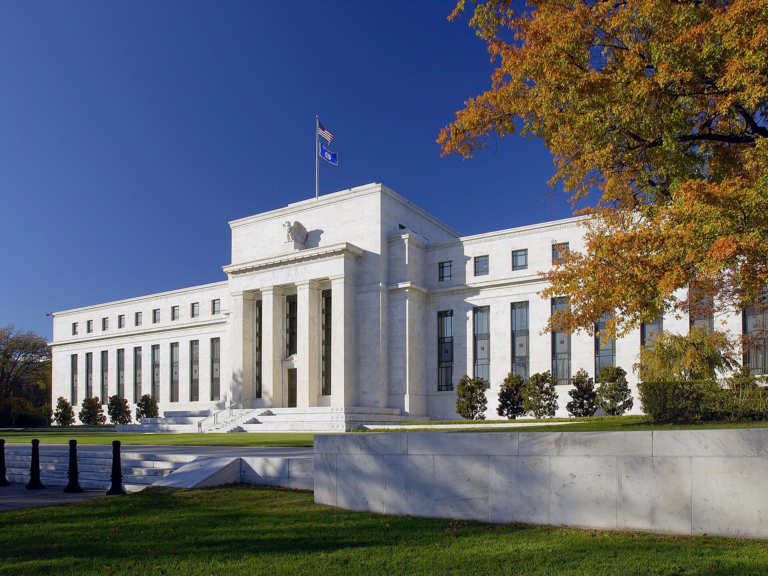
The rate gap remains the core driver. The US Federal Reserve held its target range at 3.50 to 3.75 percent on 17 June, its fourth consecutive hold, and its June projections marked a hawkish shift, with the median expectation for the end of 2026 moving up toward a range of 3.75 to 4.00 percent as most officials came to see inflation risks tilted upward. The Bank of Japan, by contrast, raised its policy-rate guideline to around 1.00 percent on 16 June, its highest since 1995, but has stressed that further normalisation will be gradual. That leaves a policy-rate gap of roughly 2.5 to 2.75 percentage points in the dollar’s favour, our calculation, before even accounting for differences in bond yields and market expectations.
That gap is why the carry trade still matters. Investors can borrow in a low-yielding yen and hold higher-yielding dollar assets, earning the spread as long as currency swings do not erase the return. With the Fed no longer clearly moving toward cuts and the Bank of Japan still signalling only gradual normalisation, the incentive to stay long the dollar against the yen has not disappeared. Goldman’s argument is that intervention can disrupt that trade, but it cannot permanently defeat it while the rate differential remains intact.
Japan’s recent experience supports that caution. The Ministry of Finance confirmed that its foreign-exchange operations between 28 April and 27 May totalled 11,734.9 billion yen, or about 11.735 trillion, which at an exchange rate near 160 yen to the dollar is roughly 73 billion dollars, our calculation, and close to double its previous largest single effort. The scale was extraordinary, but the market impact faded: after temporary rebounds, the yen has drifted back toward 162, and Tokyo has since relied on verbal warnings alone, with the finance minister, Satsuki Katayama, repeating that Japan stands ready to respond.
This is the key analytical point. Intervention changes the timing and the volatility of the move; policy divergence changes its direction. Tokyo can make speculative yen shorts more expensive by intervening unexpectedly, especially in thin-liquidity windows, but unless the Bank of Japan raises rates faster, the Fed turns materially more dovish, or US growth weakens enough to pull down Treasury yields, the dollar-yen pair stays supported by fundamentals that intervention alone cannot remove. The cost-benefit calculation for Tokyo is difficult: Japan does not defend a fixed rate, but it needs to prevent disorderly moves from feeding import inflation, since energy and food are largely priced in dollars and a weaker yen lifts their local-currency cost, complicating the central bank’s task even when domestic demand is not overheating.
For the Middle East and North Africa, the yen matters through three channels. The first is energy. Japan is one of the largest Asian buyers of Gulf crude and liquefied natural gas, and because that energy is priced in dollars, a weaker yen raises the local-currency cost of those imports for Japanese buyers and utilities. That does not change dollar revenue for Gulf exporters immediately, but it can affect demand sensitivity and the broader Asian import burden over time. The second is investment. Regional sovereign wealth funds and institutions that hold Japanese equities, real estate or private assets can benefit from cheaper entry when deploying new dollars, but their existing yen holdings lose value when translated back into dollars unless hedged; a move from 150 to 165 is a fall of about 9.1 percent in the yen, our calculation, enough to offset part of an unhedged local-market return. The third is funding: dollar-yen is one of the world’s most traded pairs and a barometer of risk appetite, so a sustained push toward 165 would signal that global carry trades remain active, feeding into the dollar-funding and emerging-market conditions that Gulf borrowers, banks and investors also operate in.
Why it matters: Goldman’s yen call is not only a Japan story. It is a test of whether official intervention can offset a still-wide interest-rate gap between the world’s main reserve currency and one of the lowest-yielding major currencies. For global investors the message is that carry remains powerful; for the region, the implications run through Asian energy demand, the dollar value of Japanese assets held by regional investors, and the broader funding conditions that shape dollar-linked markets, even as the Gulf’s dollar pegs insulate it from direct currency risk.
Outlook: The 165 level is the marker to watch. A move toward it would raise pressure on Tokyo to intervene again, possibly without advance signalling, but a durable turn in the yen would most likely need one of three catalysts: faster Bank of Japan tightening, a weaker US economy that pulls down expected Fed rates, or a broad risk-off move that forces investors to unwind carry trades. Until one of those appears, intervention can slow the yen’s decline but is unlikely to change the underlying trend.
Sources: CNBC; Goldman Sachs; Bloomberg; Federal Reserve; Bank of Japan; Japan Ministry of Finance.