Saudi Arabia Completes the Rulebook for Foreign Property Ownership: A 2 Percent Fee in the Main Cities, Zone by Zone Caps and a Single Digital Gateway
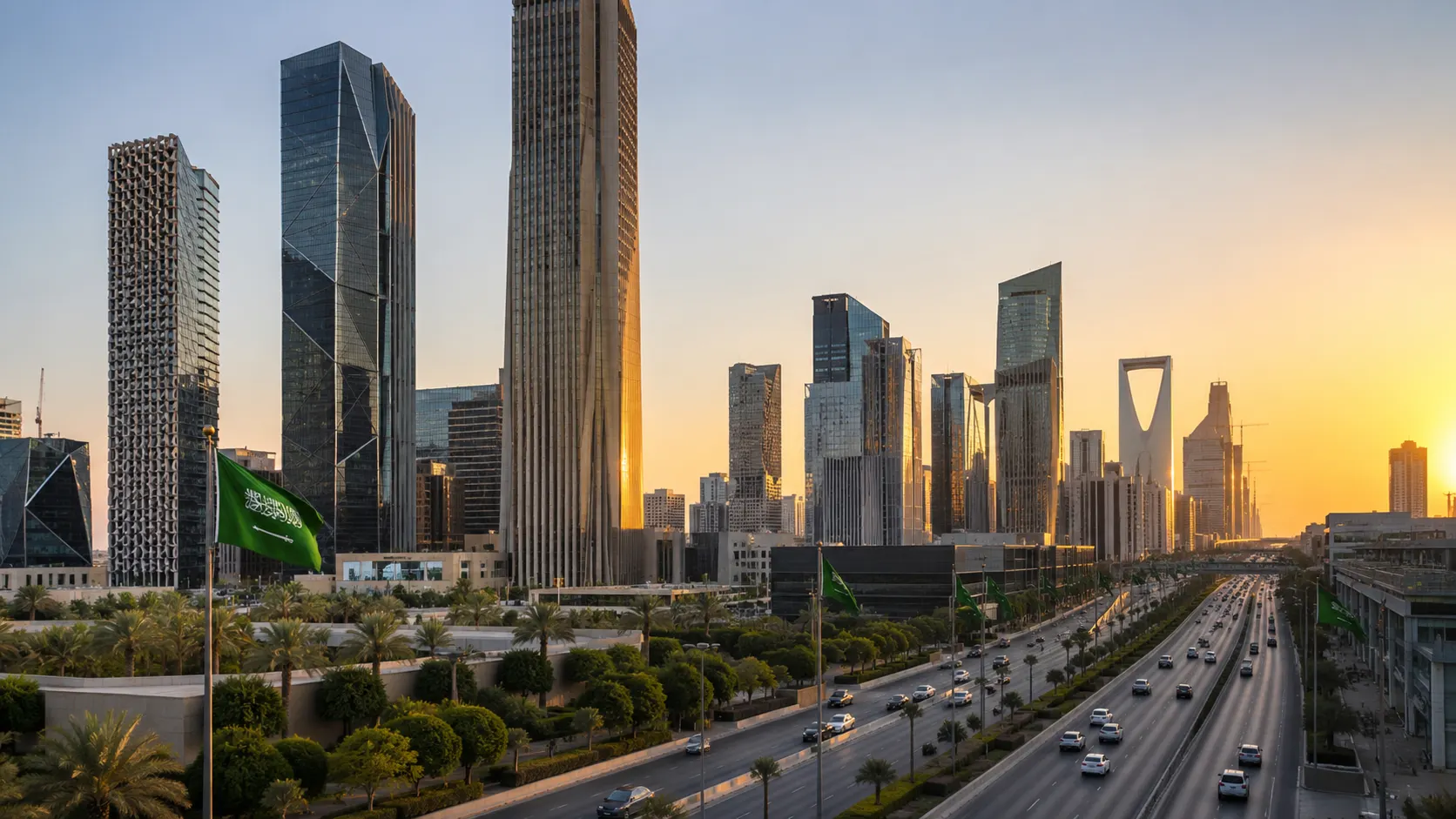
Saudi Arabia has completed the regulatory framework that opens its property market to foreign buyers, publishing the full details of the executive regulations for the non Saudi real estate ownership law in early July, after the Council of Ministers approved the regulations and the accompanying geographic zones document on 23 June. The rules establish a 2 percent fee on transactions by non Saudis in the four main cities, penalties of up to 10 million riyals, ownership limits set zone by zone, and a single digital portal as the exclusive channel for applications and transactions.
The regulations complete a framework that has been phased in over a year, and the sequence explains why the July details matter. The law allowing non Saudis to own real estate was approved by the Cabinet in July 2025, issued by royal decree the same month, and entered into force on 22 January 2026, when the Real Estate General Authority’s dedicated portal began receiving applications. What was missing until late June was the operational layer: which zones are open, on what terms, and at what cost. The zones document adopted alongside the regulations answers that, designating around 170 areas across Riyadh, Jeddah, Mecca, Medina and other governorates, from giga project districts such as Qiddiya, New Murabba, Diriyah Gate and the King Abdullah Financial District in Riyadh to Jabal Omar in Mecca and Knowledge Economic City in Medina. Each zone carries its own maximum foreign ownership percentage and permitted rights, including usufruct terms of up to 99 years, rather than any single nationwide cap.
The cost and compliance architecture is specific, and buyers will want to read it closely. Transactions involving real estate rights acquired by non Saudis in Riyadh, Jeddah, Mecca and Medina carry a 2 percent fee, set below the 5 percent ceiling the law allows, with ten categories of exemptions covering cases such as inheritance division and court judgments. That fee comes in addition to the existing 5 percent real estate transaction tax that applies to property disposals generally, so a foreign buyer’s all in transaction costs differ materially from the headline fee alone. Submitting false or misleading information draws a fine of up to 5 percent of the value of the property right, capped at 10 million riyals, with violators given between 10 and 180 days to rectify breaches. Individual buyers need a Saudi bank account and, for non residents, a digital identity issued through Saudi embassies, while foreign companies must register with the Ministry of Investment, disclose beneficial owners and report ownership changes of 5 percent or more within 15 days. In Mecca and Medina, ownership by individuals is restricted to Muslims, preserving the special status of the two holy cities.
The opening arrives in a market that is cooling rather than overheating, which changes how the move should be read. The General Authority for Statistics’ real estate price index fell 1.6 percent year on year in the first quarter of 2026, with residential prices down 3.6 percent and prices in the Riyadh region down 4.4 percent, after several years of steep gains in the capital. Home ownership among Saudis reached 65.4 percent in 2024 against the Vision 2030 target of 70 percent, a target the government has been careful to protect by steering foreign demand into designated zones rather than the broad residential market.
Why it matters: Opening real estate to foreign capital is one of the last major asset market liberalisations in the Gulf’s largest economy, and the design is telling: rather than a general opening, Saudi Arabia has built a controlled channel that routes foreign money into the districts it most wants financed, the giga projects and new urban developments at the centre of Vision 2030. Doing so while Riyadh prices are falling supports demand where the state wants it without inflaming the housing affordability question that the 70 percent ownership target is designed to answer. For Gulf and international investors, the practical consequence is that Saudi property is now investable through a clear portal based process with known costs and known limits, which puts the kingdom in more direct competition with Dubai’s established foreign ownership market for regional real estate capital.
Outlook: The Real Estate General Authority has said a detailed procedural guide is still to come, and the pace of foreign applications through the portal in the second half of 2026 will be the first hard indicator of demand. The zone list is designed to expand over time, and how quickly ownership caps fill in flagship districts such as New Murabba and Diriyah will signal whether the framework’s pricing and limits are calibrated to attract capital at scale. With prices in the capital still adjusting, the early test is whether foreign inflows stabilise the market segments the government most needs funded.
Sources: Real Estate General Authority; Saudi Press Agency; General Authority for Statistics.