Bank of England Holds Rates at 3.75 Percent as Three Members Vote to Hike
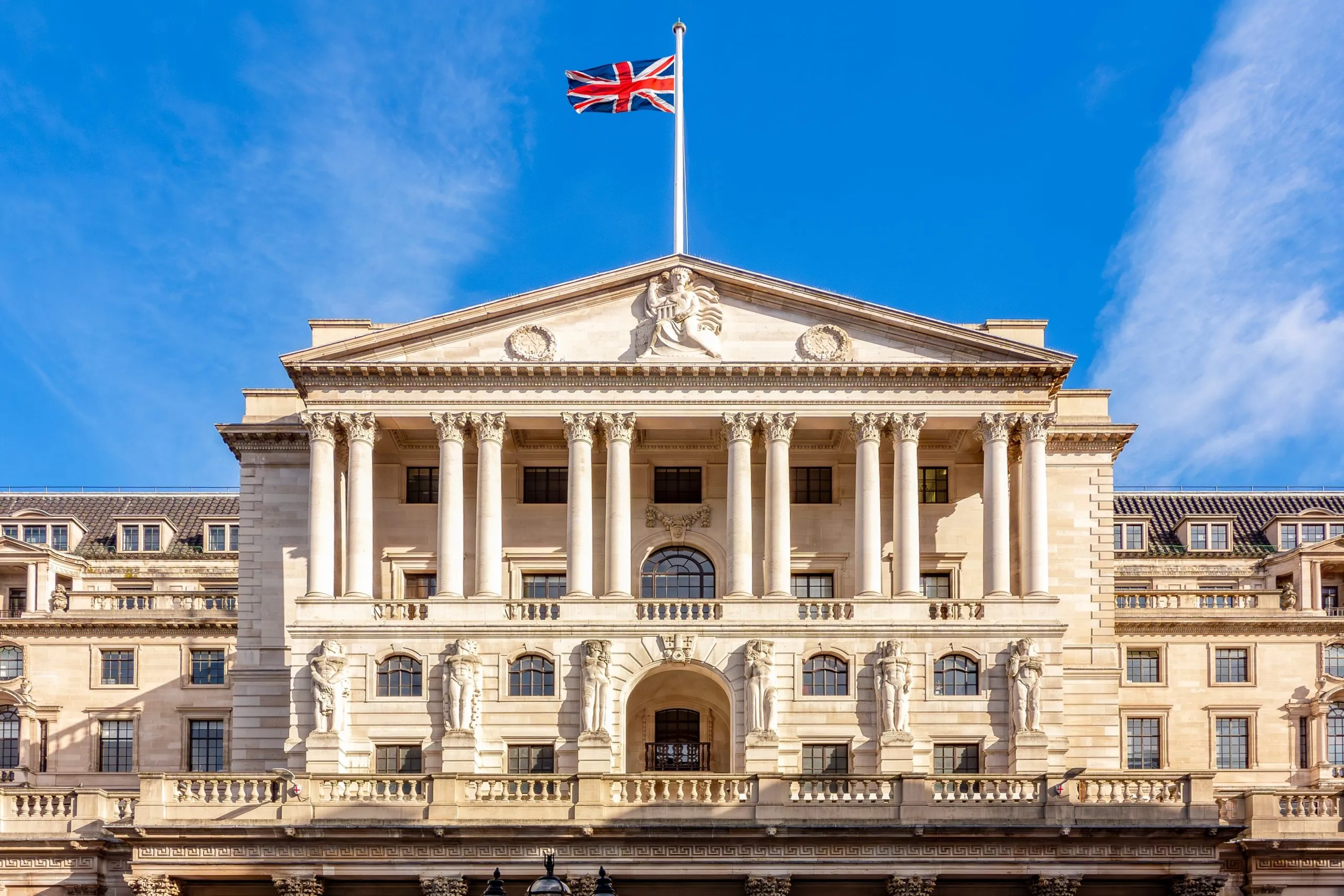
The Bank of England held its benchmark interest rate at 3.75 percent on Thursday, with three of its nine policymakers voting for an increase as the conflict in the Middle East kept energy prices high and volatile. The Monetary Policy Committee voted by a majority of six to three to maintain Bank Rate, with the three dissenters preferring a quarter-point increase to 4 percent, per the Bank of England.
The hold came even as inflation cooled. Consumer price inflation has fallen further than the Bank expected, to 2.6 percent, though it remains above the 2 percent target, and the committee said it expected inflation to rise again later this year as higher energy prices feed through to motor fuel costs and household bills, per the Bank of England.
The energy shock from the regional conflict was central to the decision. Crude and refined energy prices have remained volatile and higher than before the conflict, the Bank said, adding that monetary policy cannot influence energy prices but is being set to ensure inflation returns sustainably to the 2 percent target. The three members who voted to raise Bank Rate judged that the risk of more persistent inflation warranted tighter policy now.
The Bank pointed to offsetting forces at home. Mortgage rates and business borrowing costs are higher than before the conflict, making households and firms more cautious, and with more people looking for work than there are jobs available, employers may feel less pressure to raise wages, which should help contain the inflationary effect of dearer energy, per the Bank of England. Governor Andrew Bailey said the Bank would ensure any rise in inflation “is temporary and that it comes back to our 2% target.” The next decision is due on 17 September.
The move echoed the US Federal Reserve, which held its own benchmark rate steady a day earlier in a nine to three vote, with three officials there also dissenting in favour of a hike and citing the inflationary pull of higher energy costs tied to the Middle East conflict, per CNBC. Two of the world’s major central banks thus stood pat within a day of each other, each with a hawkish minority pointing to the same energy shock.
Why it matters: The Bank of England’s caution places the Middle East oil shock at the centre of developed-market monetary policy, our reading. For Gulf energy producers such as Saudi Arabia, Kuwait, the UAE and Qatar, the same rise in crude that supports their export revenue is now feeding inflation among their trading partners and keeping major central banks biased towards tighter policy, an environment that underpins the dollar and the rate settings that anchor the Gulf’s dollar-linked economies. For energy importers such as Egypt and Jordan, a higher oil bill adds to external pressures, though a softer dollar offers a modest offset.
Outlook: The Bank’s next decision on 17 September will turn on whether the energy-driven pickup in inflation it expects materialises and how long the Middle East disruption persists, our reading. With three members already voting for a hike, the balance on the committee has tilted more hawkish, and renewed volatility in oil could bring the case for higher rates back to the table, per the Bank of England.
Sources: Bank of England; CNBC.