Egypt’s Rate Setters Meet on Thursday With Inflation Falling and the Real Return Still Above 4 Points
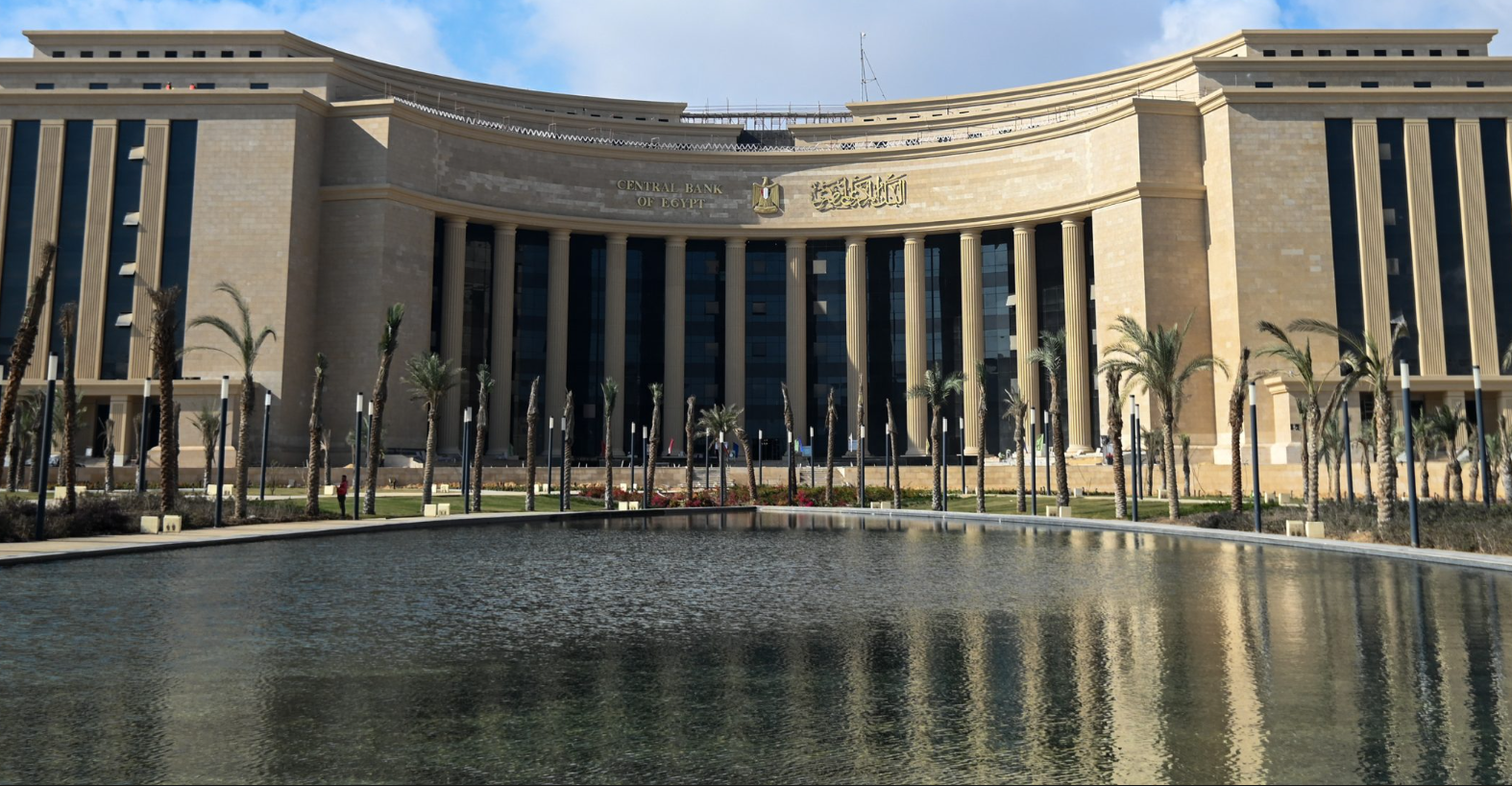
The Central Bank of Egypt’s Monetary Policy Committee meets on Thursday 24 September, its 6th scheduled meeting of the year, with rates unchanged since 15 February at 19.00 percent on the overnight deposit, 20.00 percent on overnight lending and 19.50 percent on both the main operation and the discount rate. It would be the 5th consecutive meeting without a move.
The case for standing still has strengthened since August. Annual urban headline inflation slowed to 14.5 percent in August from 14.9 percent in July, and nationwide inflation eased to 12.7 percent from 13.0 percent with the consumer price index holding at the July level at 289.8 points. Against the 19.00 percent deposit rate that leaves a margin of 4.5 points over urban headline inflation on our calculation, which is the comparison the bank itself frames as an adequately positive real interest rate margin.
| Measure | August | July |
|---|---|---|
| Urban headline inflation | 14.5% | 14.9% |
| Urban core inflation | 14.9% | 14.7% |
| Nationwide inflation | 12.7% | 13.0% |
| Monthly urban headline | 0.1% | 0.0% |
Annual rates except the last row. Core rose while headline fell.
The detail cuts both ways
The composition is less comfortable than the headline. Annual food inflation decelerated to 6.3 percent from 8.0 percent, but non food inflation rose to 19.5 percent from 19.1, and core inflation went up rather than down, to 14.9 percent from 14.7. Within the month, food prices fell 1.1 percent and took 0.38 percentage points off the headline, led by an 8.2 percent fall in fresh vegetables and a 1.3 percent fall in fresh fruit on the urban basket, both below their usual seasonal pattern. Non food prices rose 0.7 percent and added 0.46 points, with regulated items up 1.0 percent and contributing 0.22 points, of which the 9.2 percent adjustment to electricity prices outside the first tranche accounts for 0.19 points.
Services are the persistent line. Annual services inflation was 27.8 percent in August against 27.3 percent in July and contributed 7.64 percentage points to the headline, more than half of it. Within core inflation, services contributed 10.60 points of the 14.9 percent.
What the Committee said in August
The August statement kept rates unchanged and set out the shape of the argument. It projects headline inflation to accelerate through the third quarter on an unfavourable base effect, but more moderately than it had thought in July, and then to decline from the first quarter of 2027, converging toward the 7 percent target with a 2 point band during the second half of 2027. It expects growth to average around 5.0 percent in the 2025/2026 financial year with output below potential, which it reads as keeping demand driven inflation pressures limited. It also named its risks: escalating regional hostilities, and a larger than expected pass through from fiscal consolidation. No vote split is published. Read against the target itself, that timetable is a slipped one: convergence toward 7 percent is put in the second half of 2027.
The poll points to a hold while the flows are mixed
A survey of 10 analysts and economists published by CNBC on 19 September found 80 percent expecting rates held at 19 and 20 percent, with the remaining 20 percent expecting an increase. 5 of the 10 are named. The reasons given for holding were precaution against new inflationary pressure from higher global oil prices, and keeping Egyptian assets attractive to foreign portfolio money after the US rate rise. Ahmed Abou El Saad of Azimut Egypt Asset Management expects a hold. Ali Metwally of IBIS expects the bank to hold through the end of the year with a small cut possible if inflation keeps slowing. Mohamed Abdel Aal argues a rise is unlikely because Egyptian inflation is driven by supply rather than demand. Ihab Rashad of Mubasher Capital sees no room to cut while regional tensions last. Against them, Heba Monir of HC Securities and Investment expects an increase of 100 basis points to protect the attractiveness of Egyptian debt to foreign investors and to get ahead of any fuel price rise.
| Instrument | Weighted average yield |
|---|---|
| 364 day treasury bill | 25.457% |
| 182 day treasury bill | 25.685% |
Accepted bids at the auction of 17 September.
The flow data complicates the simple story. On 17 September non-Arab foreign investors were net sellers of 11,854,384,357 pounds across all instruments on the Egyptian Exchange, but net buyers of 1,475,017,134 pounds in equities alone, so the selling was in bills and bonds rather than shares. Foreigners were 20.49 percent of total turnover and 25.98 percent of equity turnover. Reserves meanwhile rose to 57,214.5 million dollars at the end of August from 56,293.9 million at the end of July, a gain of 920.6 million on our calculation. Every one of the bank’s monthly reserve notices from September 2022 to August 2026 reports an increase, which is 48 consecutive months on our count of them. The last fall was August 2022, when reserves slipped 1.3 million dollars to 33,141.7 million.
Why it matters: For Egypt the question on Thursday is not really the rate, it is whether the bank thinks the oil shock has finished passing through. On our reading the August data gives it cover either way: headline inflation fell, which supports a hold, while core rose and services inflation sits near 28 percent, which is why nobody is talking about a cut. The 4.5 point margin over urban headline inflation on our calculation is what supports the carry, and the exchange’s own flow data shows where the pressure actually is, in the bill and bond book rather than in equities.
Outlook: The Committee meets again on 29 October and on 17 December. The bank’s own projection has inflation accelerating through the third quarter before declining from the first quarter of 2027. The 91 day and 273 day bill auctions closing today will price before the meeting.
Sources: Central Bank of Egypt, Central Agency for Public Mobilization and Statistics, Egyptian Exchange, CNBC.