Jordan’s Remittances Rose 14.1 Percent Over 7 Months and Tourism Income 17.2 Percent in August Alone
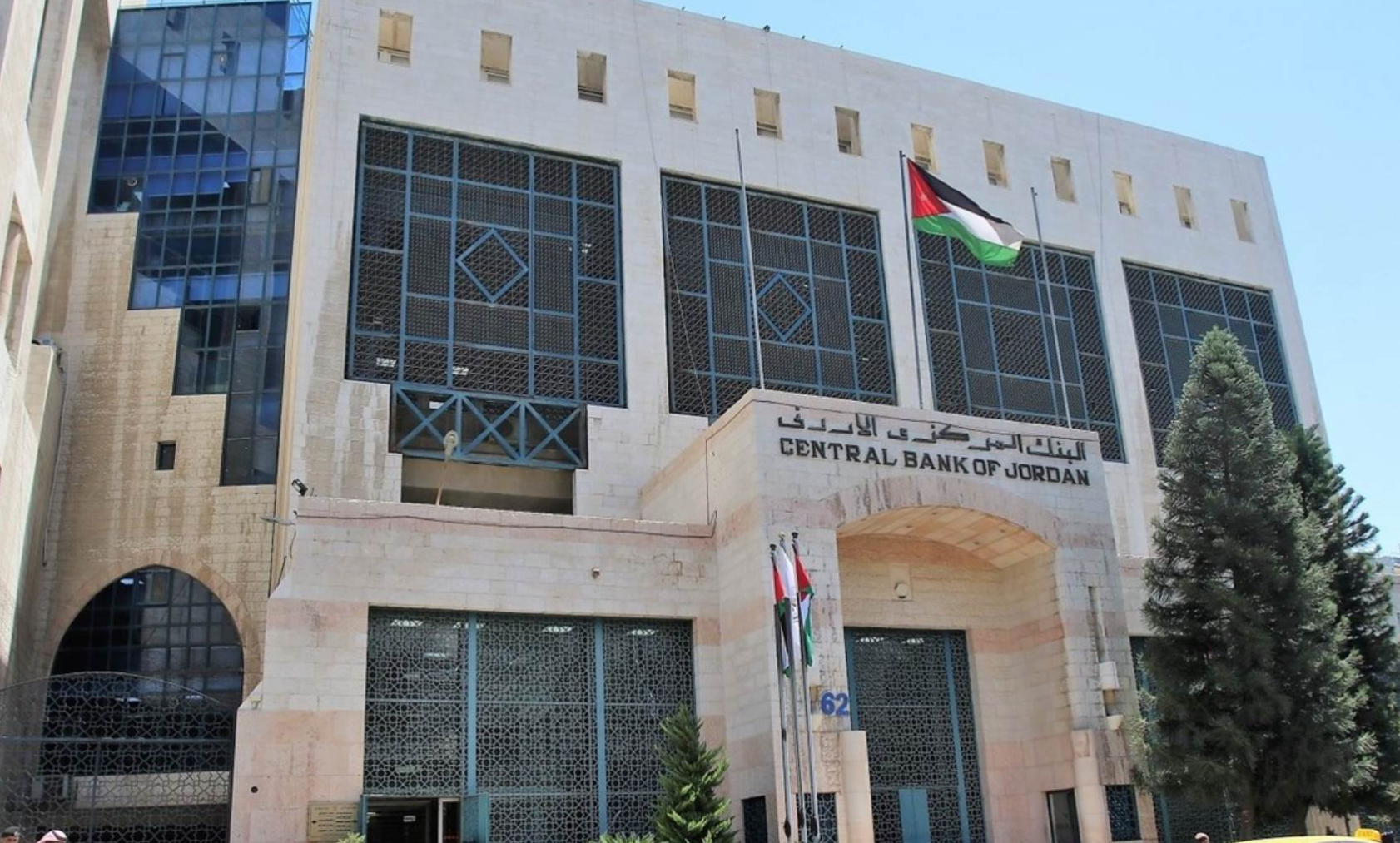
Workers’ remittances into Jordan reached 2,966.4 million dollars in the first 7 months of 2026, 14.1 percent more than the same period of 2025, and tourism income reached 1,139.4 million dollars in August alone, 17.2 percent more than August 2025, on preliminary figures published by the central bank on 17 September. The remittance series is running well ahead of the economy around it; the tourism series is not, once the full year to date is read.
| Measure | Latest | Change on the year |
|---|---|---|
| Remittances, January to July | 2,966.4 | +14.1% |
| Remittances, July alone | 470.2 | +13.1% |
| Tourism income, January to August | 5,557.6 | +2.9% |
| Tourism income, August alone | 1,139.4 | +17.2% |
Millions of dollars.
Where the money comes from
The Gulf and the United States send most of it. Over the first 7 months the United Arab Emirates accounted for 20.9 percent of inward remittances, the United States for 19.3 percent, Saudi Arabia for 17.7 percent, Qatar for 10.5 percent and Kuwait for 5.5 percent, with other countries making up 26.1 percent. Gulf states together therefore account for 54.6 percent of the total on our calculation.
Money goes the other way too. Remittances sent out of Jordan by non-Jordanian workers came to 1,137.2 million dollars over the same 7 months, up 14.4 percent, of which 42.1 percent went to Egypt, 11.8 percent to Bangladesh, 4.8 percent to the Philippines and 3.9 percent to Yemen. That leaves a net inward remittance flow of 1,829.2 million dollars for the period on our calculation.
The tourism recovery is narrow
The August number is strong but the year to date number is not, at 5,557.6 million dollars and up only 2.9 percent, and the composition explains the gap. Over the first 8 months tourism income from Arab visitors rose 16.3 percent and from Asian nationalities 9.5 percent, while income from expatriate Jordanians fell 5.9 percent, from American visitors 17.1 percent, from European visitors 23.7 percent and from other nationalities 39.9 percent.
Jordanians and residents spent 204.8 million dollars abroad in August, up 4.1 percent, and 1,359.0 million over the 8 months, down 5.9 percent, leaving net tourism earnings of 4,198.6 million dollars for the period on our calculation.
| Visitor group | Change, January to August |
|---|---|
| Arab | +16.3% |
| Asian | +9.5% |
| Expatriate Jordanian | -5.9% |
| European | -23.7% |
Tourism income by nationality.
The rest of the external picture is steady. Foreign currency reserves stood at 13,017.7 million dinars at the end of August against 12,137.4 million the month before, and gold holdings at 7,667.2 million dinars. The current account deficit was 226.0 million dinars in the first quarter of 2026 against 232.5 million in the previous quarter. The published policy rate is 5.75 percent, on a table the bank dates 14 December 2025. Inflation was 2.66 percent in August and averaged 2.20 percent over the first 8 months, with prices down 0.25 percent on the month.
Why it matters: For Jordan these are 2 of the most important sources of external earnings. On our reading the notable shift is in who is paying: Arab and Asian visitors are up while European and American visitors are down by roughly a quarter and a sixth, and more than half the remittance flow now comes from the Gulf. That makes Jordan’s external earnings more exposed to Gulf labour demand and regional travel than to the long haul market, which is a different risk profile from the one it had before the regional disruption, and a more concentrated one.
Outlook: Both releases are described by the bank as preliminary and both cover periods that end before September. The published policy rate has stood at 5.75 percent since the bank last dated its rates table on 14 December 2025. The next decision will be read against inflation, reserves and the exchange rate rather than against these 2 flow series on their own.
Sources: Central Bank of Jordan, Department of Statistics.