Bank of England Holds Rates at 3.75% in 7–2 Vote as Two Members Push for a Hike
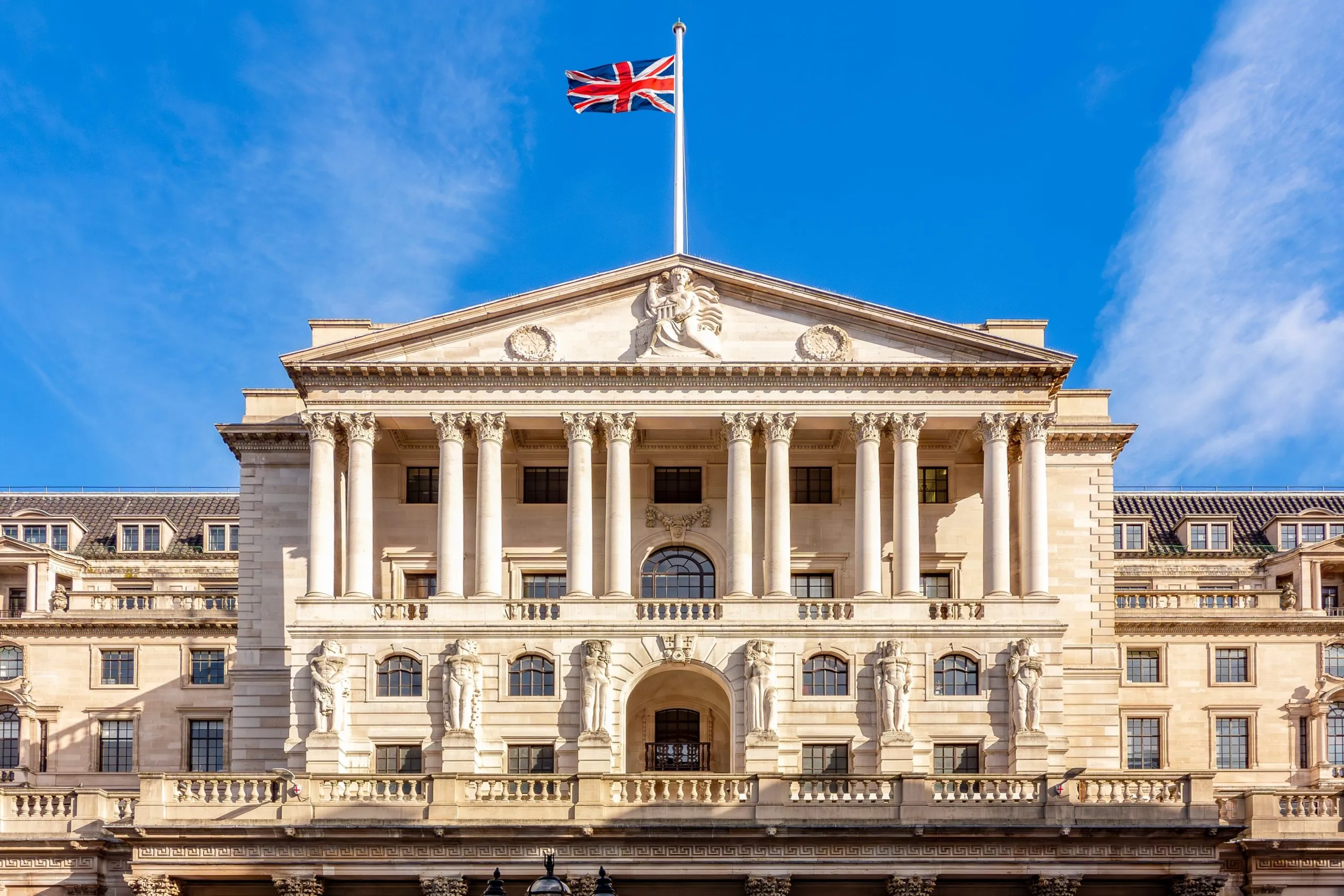
The Bank of England kept its main interest rate unchanged at 3.75% on 18 June 2026, but a split vote and a hawkish minority underscored the dilemma facing policymakers as energy-driven inflation lingers. The Monetary Policy Committee (MPC) voted by a majority of 7–2 to maintain Bank Rate, with two members voting to raise it by 0.25 percentage points to 4%.
A Divided Committee
The decision, taken at the meeting ending 17 June and announced the following day, marked another hold but exposed a widening rift on the committee. The two dissenters — chief economist Huw Pill and external member Megan Greene — argued for an immediate quarter-point increase to 4%, judging that the risks from persistent inflation warranted tighter policy now. The seven members who voted to hold were Governor Andrew Bailey, Sarah Breeden, Swati Dhingra, Clare Lombardelli, Catherine Mann, Dave Ramsden and Alan Taylor.
The presence of two votes for a hike — rather than the cuts that dominated the debate earlier in the easing cycle — illustrates how the energy shock stemming from the conflict in the Middle East has reshaped the UK’s monetary policy calculus.
Energy, Inflation and a Two-Sided Risk
The Bank noted that global energy prices have fallen since its previous meeting in response to events in the Middle East, but remain higher than before the conflict. That dynamic sits at the heart of its caution. CPI inflation has fallen to 2.8%, but the MPC expects it to rise again later this year as the effects of higher energy prices continue to pass through to households and businesses.
The committee framed the challenge as a balance of risks. On one side, it warned that “the risk of material second-round effects in price and wage-setting, against which policy needs to lean, is greater the longer higher energy prices persist” — the concern that drove the two hawkish votes. On the other, it observed that “the labour market continues to loosen, and signs of a weakening economy could contain inflationary pressures,” while interest rates faced by households and firms remain higher than before the conflict and will act to reduce inflation over time.
The Bank was explicit that monetary policy cannot influence energy prices directly; rather, it is being set “to ensure that the economic adjustment to them occurs in a way that achieves the 2% inflation target sustainably.” The appropriate stance, it added, will depend on the scale and duration of the shock and how it propagates through the economy. Weighing those risks, the committee judged it appropriate to keep Bank Rate at 3.75%.
The split reflects genuine uncertainty about the path ahead. Inflation at 2.8% remains above the 2% target, and the Bank’s expectation that it will climb again in the second half of the year — driven by the lagged pass-through of higher energy costs — is precisely what the two dissenters fear could become entrenched in wage- and price-setting. The majority, however, judged that acting pre-emptively risked over-tightening into a softening economy, given the loosening labour market and the restrictive level of borrowing costs already in place. The result is a committee buying time, waiting to see whether the energy shock fades or feeds through into underlying prices.
A Common Dilemma
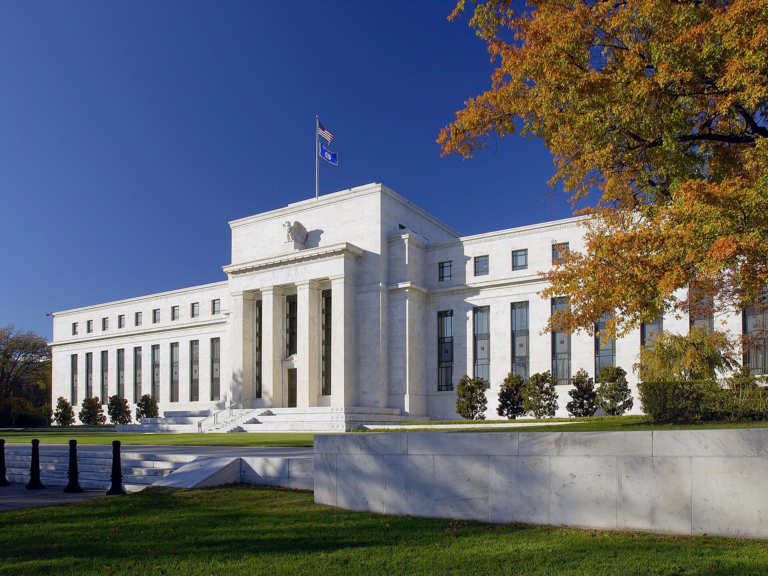
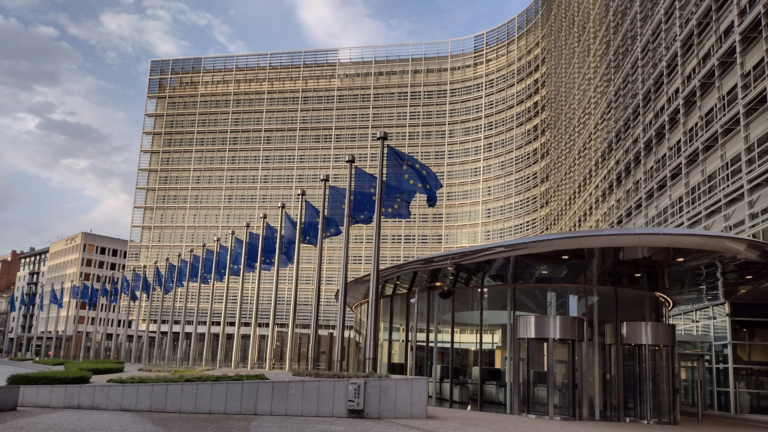
The UK’s predicament echoes that of other major central banks confronting the same energy-driven inflation. In the same week, the US Federal Reserve held rates while its June projections pointed to a higher end-2026 policy path — a median federal funds rate of 3.8% — the European Central Bank’s latest 25 basis-point increase had just taken effect, and the Swiss National Bank also held policy steady while citing higher energy-driven inflation. The Bank of England’s 7–2 split places it among the institutions leaning cautious-to-hawkish rather than easing.
Why It Matters
The Bank of England’s decision is part of a broader global story: across advanced economies, the inflationary aftershock of the energy disruption is proving stickier than the initial price spike, keeping monetary policy restrictive. For international investors — including the large sovereign and private funds across the wider MENA region that hold substantial UK assets, from prime real estate to equities and gilts — a central bank that is holding, with a vocal minority pushing for hikes, points to UK borrowing costs staying higher for longer.
That supports sterling-denominated yields even as it weighs on rate-sensitive sectors such as property, and it reinforces a theme shaping markets worldwide: the energy shock is keeping interest rates elevated for longer than markets had expected, with implications for currencies, bonds and global asset allocation well beyond the UK.
Outlook
The Bank’s next decision is due on 30 July 2026. With inflation expected to climb in the second half of the year and the committee already split, the July meeting could prove pivotal. Should energy-driven price pressures intensify or second-round effects emerge in wages, the hawkish camp may grow; conversely, a clearly weakening economy and a looser labour market could keep the majority firmly on hold. For now, the message is one of watchful patience, with the balance of risks finely poised.
Sources: Bank of England; Federal Reserve; European Central Bank; Swiss National Bank.