Egypt Raises 80 Billion Yen in Its First Sustainability Samurai Bond in Japan

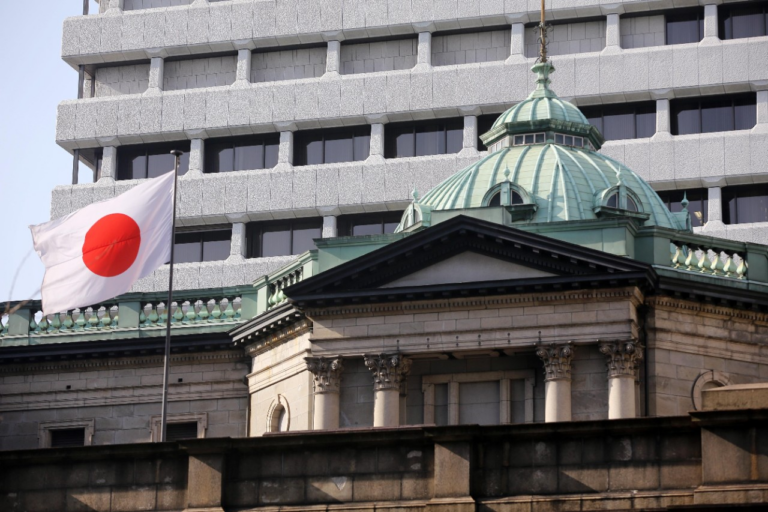
Egypt has issued 80 billion Japanese yen, about US$500 million, in sustainability Samurai bonds in Japan, supported by a partial credit guarantee from the African Development Bank, in a transaction that broadens the country’s external funding sources and deepens its access to long dated Asian capital.
The issuance was divided into two tranches. The first was a five year, 56 billion yen tranche rated AA+, maturing in June 2031. The second was a ten year, 24 billion yen tranche rated AA, maturing in June 2036. Both were issued as sustainability bonds under Egypt’s Sovereign Sustainable Financing Framework, with proceeds directed to eligible green and social spending, including healthcare, education, renewable energy, energy efficiency, climate adaptation, water and wastewater management, digital infrastructure and inclusive socioeconomic development.
The structure relies on credit enhancement from the African Development Bank. The Japan Credit Rating Agency said the guarantee covers 100 percent of principal, while coupon guarantees begin later in the life of the bonds, from the eighteenth month for the five year bond and from the fourth year for the ten year bond. That structure helped lift the issue ratings well above Egypt’s standalone sovereign profile and made the bonds more suitable for Japanese institutional investors with conservative credit mandates.
The transaction marks Egypt’s return to the Samurai market after earlier yen denominated sales in 2022 and 2023, but this is its first sustainability labelled Samurai issuance. It also builds on Egypt’s wider strategy of using diversified currency markets and multilateral guarantees to reduce reliance on traditional dollar funding and widen the investor base for sovereign borrowing.
Why it matters: The deal combines three policy objectives in one transaction: funding diversification, longer maturity debt and sustainable finance. For Egypt, yen funding adds another channel alongside dollar, euro, sukuk, Panda and multilateral financing. For investors, the AfDB backed structure reduces credit risk and improves the appeal of Egyptian paper at a time when emerging market access remains selective. For the wider MENA region, it shows how multilateral guarantees can help sovereign borrowers reach conservative Asian capital pools while linking proceeds to development priorities.
Outlook: The next test is whether Egypt can use this transaction as a repeatable funding channel rather than a one off placement. Sustained access to Japanese and other Asian markets would support the government’s debt diversification strategy, particularly if paired with fiscal consolidation, continued IMF program implementation and steady multilateral support. The guarantee structure is positive, but the broader credit story will still depend on Egypt’s ability to reduce refinancing pressure, strengthen foreign currency liquidity and maintain investor confidence.
Sources: African Development Bank; Japan Credit Rating Agency; Egyptian Ministry of Finance.