Bailey Says UK Inflation Could Reach 3.2 Percent Before Easing
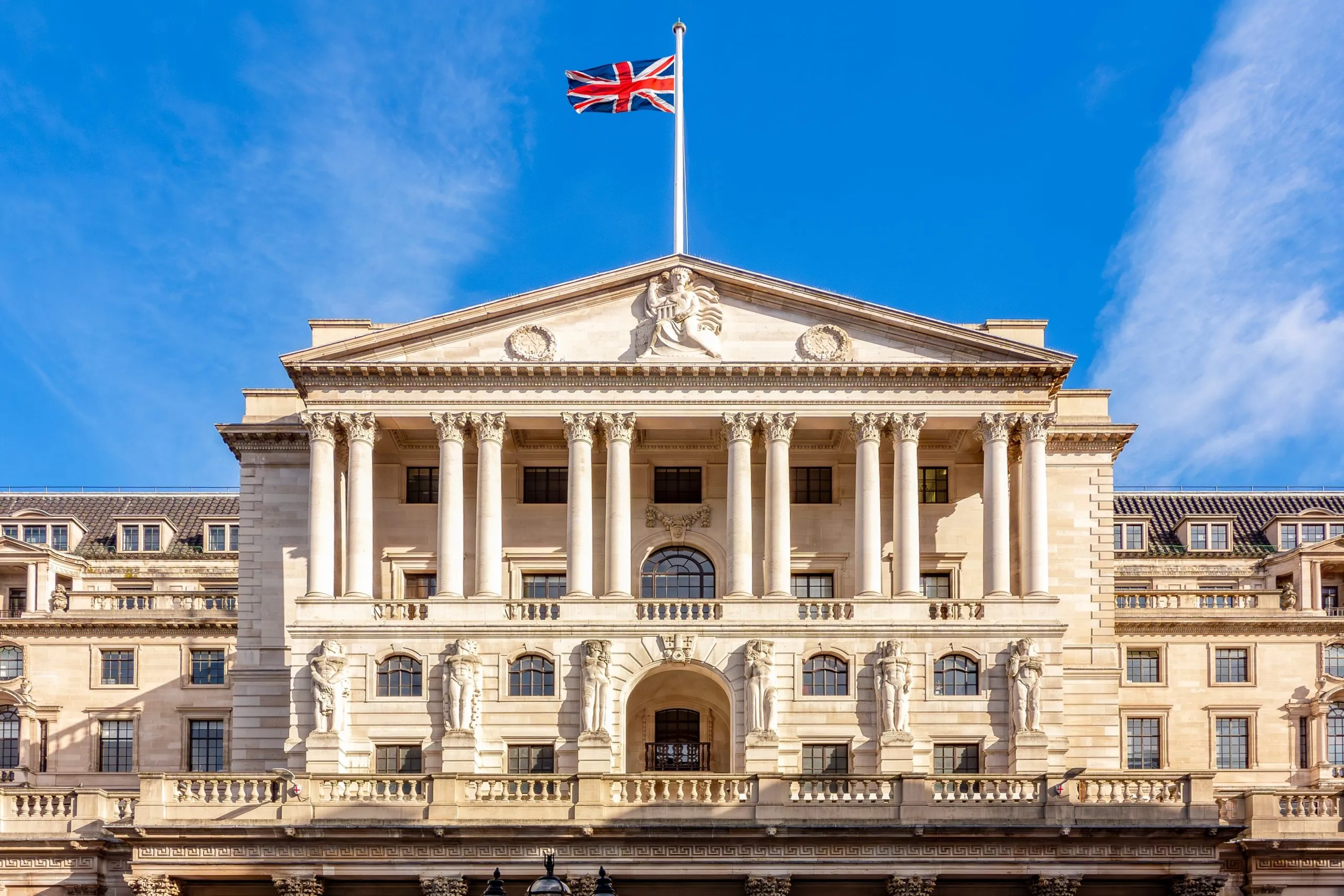
Bank of England Governor Andrew Bailey said UK inflation could rise to about 3.2 percent before easing, underlining the difficult balance facing the central bank as it tries to return inflation to its 2 percent target while growth remains soft, in remarks reported by CNBC from the European Central Bank’s forum in Sintra.
UK consumer price inflation stood at 2.8 percent in May, already 0.8 percentage point above target. A move to 3.2 percent would widen the overshoot to 1.2 percentage points, a 0.4 percentage point increase from the May reading. Bailey signalled that the rise would be a near-term peak rather than the start of a renewed inflation cycle, pointing to energy-related effects and describing it as frustrating that the Bank has not yet brought inflation back to target.
The remarks came after the Bank of England held Bank Rate at 3.75 percent at its June meeting, as it balances still-elevated inflation against a weak growth backdrop. The policy challenge is the risk of second-round effects, whether higher energy and transport costs feed into wages, services prices and household expectations, and Bailey has previously indicated that tolerating inflation temporarily above target, as part of a credible return to 2 percent, can be appropriate provided expectations stay anchored.
Why it matters: The United Kingdom remains a major destination for Gulf and wider MENA capital across real estate, banking, infrastructure, private equity and public markets. A higher near-term inflation peak that delays rate cuts would tend to support sterling at the margin but also raise discount rates for UK assets, so for GCC investors the issue is the rate path, the currency effect and valuation impact across sterling-denominated holdings, not inflation alone.
Outlook: The next signals are the June and July inflation prints, services inflation, wage data and the Bank’s August forecast round. If inflation peaks near 3.2 percent and then falls convincingly, the Bank would have more room to discuss easing later in the year; if services prices or wage growth stay sticky, policy may remain restrictive for longer, shaping sterling, gilt yields and the UK asset valuations that Gulf investors track.
Sources: CNBC; Bloomberg; Bank of England; Office for National Statistics.