UAE Central Bank Cuts Its 2026 Growth Forecast to 1.7 Percent on Temporary Regional Disruptions
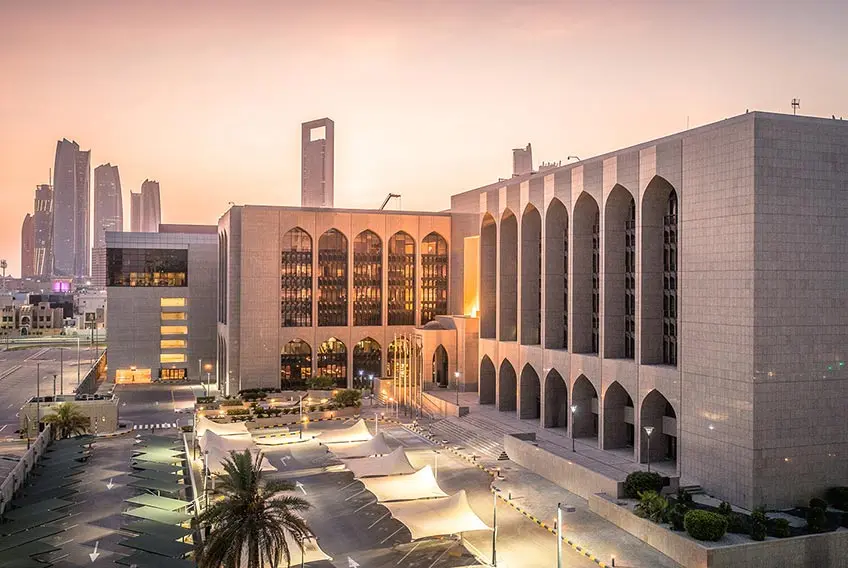
The Central Bank of the UAE has sharply lowered its 2026 growth forecast, projecting real GDP to expand 1.7 percent this year, down from the 5.6 percent it expected only a quarter earlier, as temporary disruptions tied to regional tensions weigh on trade, tourism, shipping and private-sector activity.
The revision is large: a cut from 5.6 percent to 1.7 percent is a 3.9 percentage point downgrade, or a reduction of almost 70 percent in the expected growth rate. In its Quarterly Economic Review for June, the central bank attributed the move to a temporary moderation in both the hydrocarbon and non-hydrocarbon sectors, with shipping and maritime-route disruptions around the Strait of Hormuz the main channel. It now sees hydrocarbon GDP growing 0.8 percent and non-hydrocarbon GDP 1.9 percent in 2026, implying the slowdown is broad based rather than limited to oil, and a marked step down from a strong 2025 in which the economy grew an estimated 6.2 percent.
The central bank framed the weakness as temporary and projected a strong rebound in 2027, with overall growth recovering to about 9.8 percent, an 8.1 percentage point acceleration, as oil output is assumed to normalise and step up alongside non-oil growth of 4.5 percent. It kept its inflation outlook contained, projecting headline inflation of 2.3 percent in 2026 and 1.9 percent in 2027.
Why it matters: The UAE is the most diversified economy in the Gulf, so a downgrade of this scale underlines how quickly disruption to shipping, energy flows, tourism and sentiment can affect even diversified regional economies. For the wider Gulf, the review is a useful read on how central banks are quantifying the near-term hit, while the projected 2027 rebound signals official confidence that the impact is cyclical and logistics-related rather than a structural break in the UAE growth model.
Outlook: The recovery path depends on the durability of regional calm, the security of maritime routes, the normalisation of trade and tourism, and the timing of oil-output increases. A faster return to normal shipping and travel conditions would support an earlier rebound, while renewed disruption would keep growth below its previous trajectory and weigh on private-sector confidence.
Sources: Central Bank of the UAE.